Robotaxi Pit Stops Could Pop Up Near You
A startup called Aseon Labs is developing modular robotic service pods that can clean, charge, and inspect driverless cars closer to where riders need them, potentially reducing wasted miles and operational costs for robotaxi fleets.
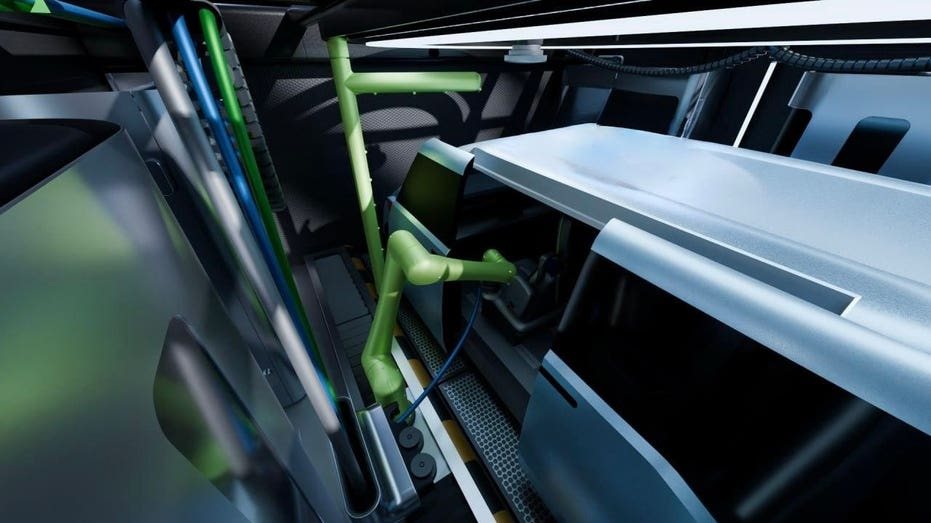
A Redwood City, California, startup called Aseon Labs is developing parking-space-sized robotic service pods that could bring maintenance depots closer to where robotaxis actually operate, reducing the empty miles these vehicles travel between rides. The company describes its system as a «depot in a box» for self-driving cars, designed to clean, charge, inspect, and reset driverless vehicles without requiring them to return to faraway centralized facilities.
Robotaxis often drive empty across city streets when heading to or from depots for cleaning, charging, or inspection. This practice, known as deadhead miles, consumes time, power, and road space without generating revenue. Aseon Labs aims to cut those wasted miles by placing smaller automated pods within roughly one mile of where robotaxis pick up passengers, instead of relying on depots that may be 10 to 15 miles away.
Each pod is roughly the size of a parking space and uses cameras to inspect vehicles, robotic arms to clean interiors, and systems to handle data synchronization, recalibration, and lost-and-found retrieval. The pods are designed to be movable, delivered by flatbed truck, and operational within 24 hours. Early versions will have staff nearby, but the company plans to make the system more autonomous over time.
The pods can connect to existing power sources through partnerships with EV charging companies or use mobile power, including a propane generator. They can also integrate with DC fast-charging networks, which could help charging operators increase utilization of underused stations. Aseon says each pod requires no permanent construction and can be relocated if a location performs poorly.
The concept addresses a key challenge for robotaxi companies: keeping vehicles on the road when demand is high while still ensuring they are cleaned, charged, and inspected. A car sitting at a depot or driving empty across town is not earning money. By placing service pods closer to high-demand areas, Aseon says servicing could be up to 15 times closer to where riders are waiting.
However, the rollout of these pods raises questions for cities and neighborhoods. Curb space is already contested among ride-hailing pickups, delivery trucks, bike lanes, outdoor dining, EV chargers, and public transit. Adding automated robotaxi service boxes to that mix will require local governments to decide where they belong. A parking lot may be more suitable than a residential block, and a commercial corridor may work better than a narrow street.
Aseon considers the pods temporary structures, which could help avoid lengthy permitting processes and make them easier to move. But neighbors may still object if a pod occupies a parking space for weeks or months, regardless of whether it can be relocated later. The company will need to navigate these local concerns as it seeks to deploy its system in cities across the United States.
The startup is part of a broader push to make autonomous vehicle operations more efficient and cost-effective. As robotaxi fleets expand, the need for convenient, low-cost servicing infrastructure is likely to grow. Aseon's modular pods offer one potential solution, but their success will depend on whether cities and communities accept them as part of the urban landscape.
104