Airlines raise fares 23% as jet fuel costs surge and planes fly emptier
Major U.S. carriers are charging higher ticket prices and accepting lower seat occupancy as jet fuel costs have risen sharply since the Iran conflict began, with fuel now a far larger share of operating expenses.
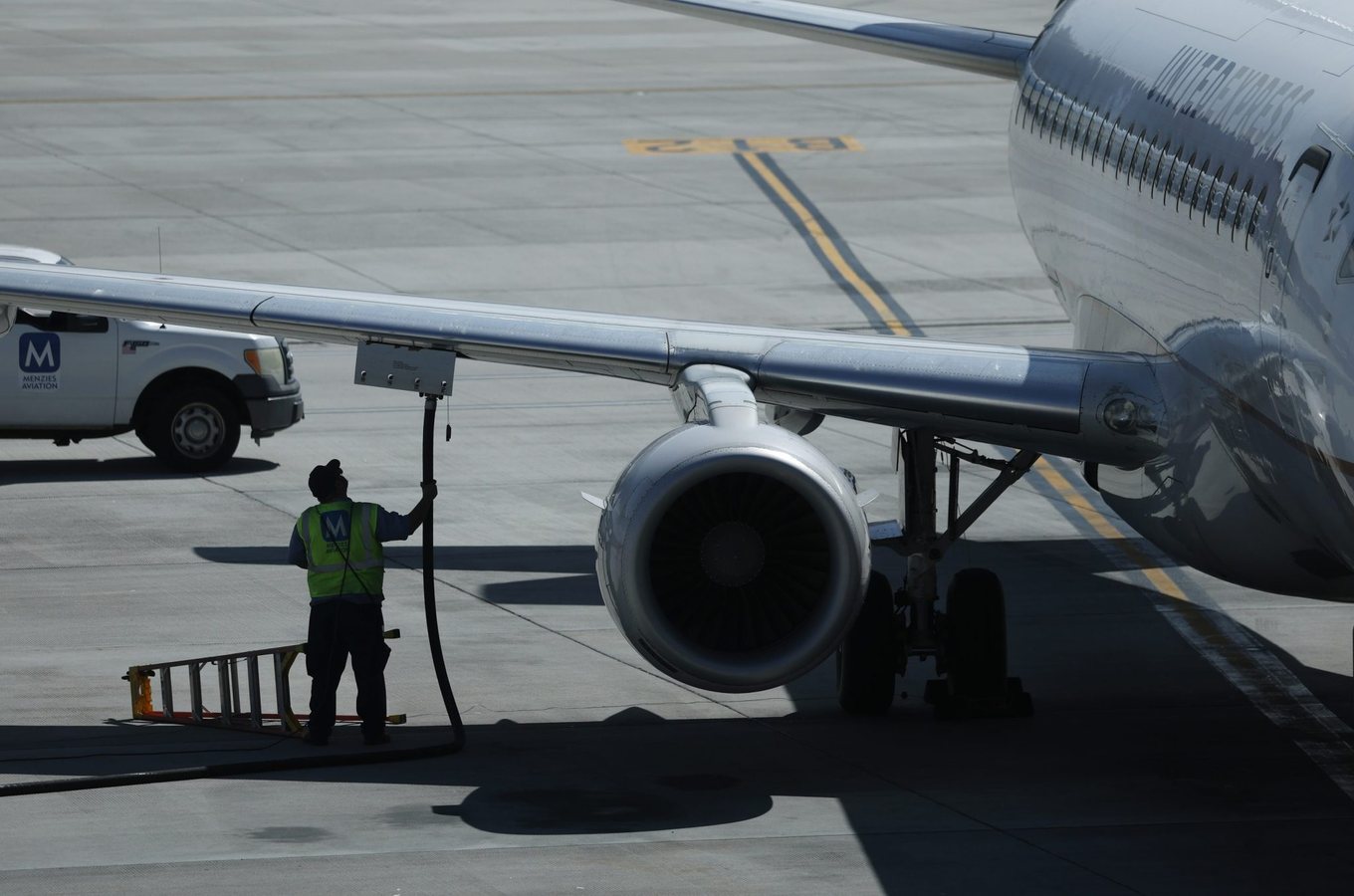
Major American airlines are choosing higher ticket prices over full planes to protect their margins as jet fuel costs climb. Delta Air Lines, United Airlines, American Airlines, Southwest Airlines and Alaska Air Group have all shifted their strategies toward collecting more revenue from each passenger. U.S. airfares were 22.4 percent higher in September than a year earlier, according to the Bureau of Labor Statistics, a rise that far outpaced overall inflation of 3.7 percent.
The five largest carriers generated nearly $8.8 billion more in passenger revenue in the third quarter of 2026 than in the same period a year earlier, an increase of about 18 percent, according to Reuters. Passenger traffic, however, grew by less than 1 percent. Devon May, American Airlines' chief financial officer, told Reuters that the company must keep pushing yields higher if fuel stays elevated, so that it can make a modest profit.
The pressure comes largely from fuel. Gulf Coast spot jet fuel prices rose from $2.43 per gallon before the war began in February to $4.63 in October, an increase of roughly 91 percent, according to the U.S. Energy Information Administration. The increase has been driven mainly by disruptions to oil supplies and refining capacity tied to the conflict. Fuel is one of the industry's largest operating costs, and the swing has been severe.
The International Air Transport Association tracked global jet fuel prices at about $99 per barrel in February, before they more than doubled to $209 in April. The association projects that fuel will account for nearly one-third of airline operating expenses in 2026, compared with about one-quarter in 2025. Willie Walsh, IATA's Director General, said in a press release that all airline bottom lines are suffering from the rapid 70 percent rise in jet fuel prices. He said that while some of the added cost is being recovered through higher prices and efficiency gains, it will not be enough to maintain profitability at last year's level, and that smaller carriers with weak balance sheets are struggling.
Timing compounds the problem. Airlines typically sell tickets months before departure, so they cannot raise the price of seats that have already been purchased. They can only recover higher costs through fares on seats that remain unsold. That is why carriers have leaned on pricing rather than volume.
American Airlines reported record third-quarter revenue of $16.3 billion, yet higher fuel expenses still weighed on its bottom line. Nathaniel Pieper, the carrier's chief commercial officer, said the airline deliberately accepted lower load factors, meaning fewer occupied seats, in exchange for higher revenue per passenger. "We prioritized yield over load factor, proactively securing meaningfully higher yields in exchange for slightly lower loads," Pieper said on the third-quarter 2026 earnings call.
United Airlines took a similar path. Its leisure load factor, which measures the share of available seats filled, fell 1.3 percentage points in the third quarter. Andrew Nocella, the airline's chief commercial officer, said on the company's earnings call that higher prices had made some travelers more price-sensitive, but that United considers the tradeoff worthwhile, calling it a trade it would make every day.
Southwest Airlines also reported strong fare growth. Its average passenger fare rose 21.6 percent over the first nine months of the year, and by the third quarter the increase reached 26.9 percent. Bob Jordan, the airline's president and chief executive, said in a press release that demand remained strong and that the company's earnings power was durable even with significantly higher fuel costs.
Revenue gains have not erased the strain. Delta Air Lines cut its annual earnings forecast, saying it expects to generate a pre-tax profit of roughly $4.5 billion while absorbing a $6 billion increase in fuel costs. The five carriers did not immediately respond to requests for comment from Fortune.
8