Samsung wager on Texas aims to build workforce and local roots
Samsung says its Taylor, Texas semiconductor plant is part of a broader effort to build skills, suppliers and institutions in the communities where it invests.
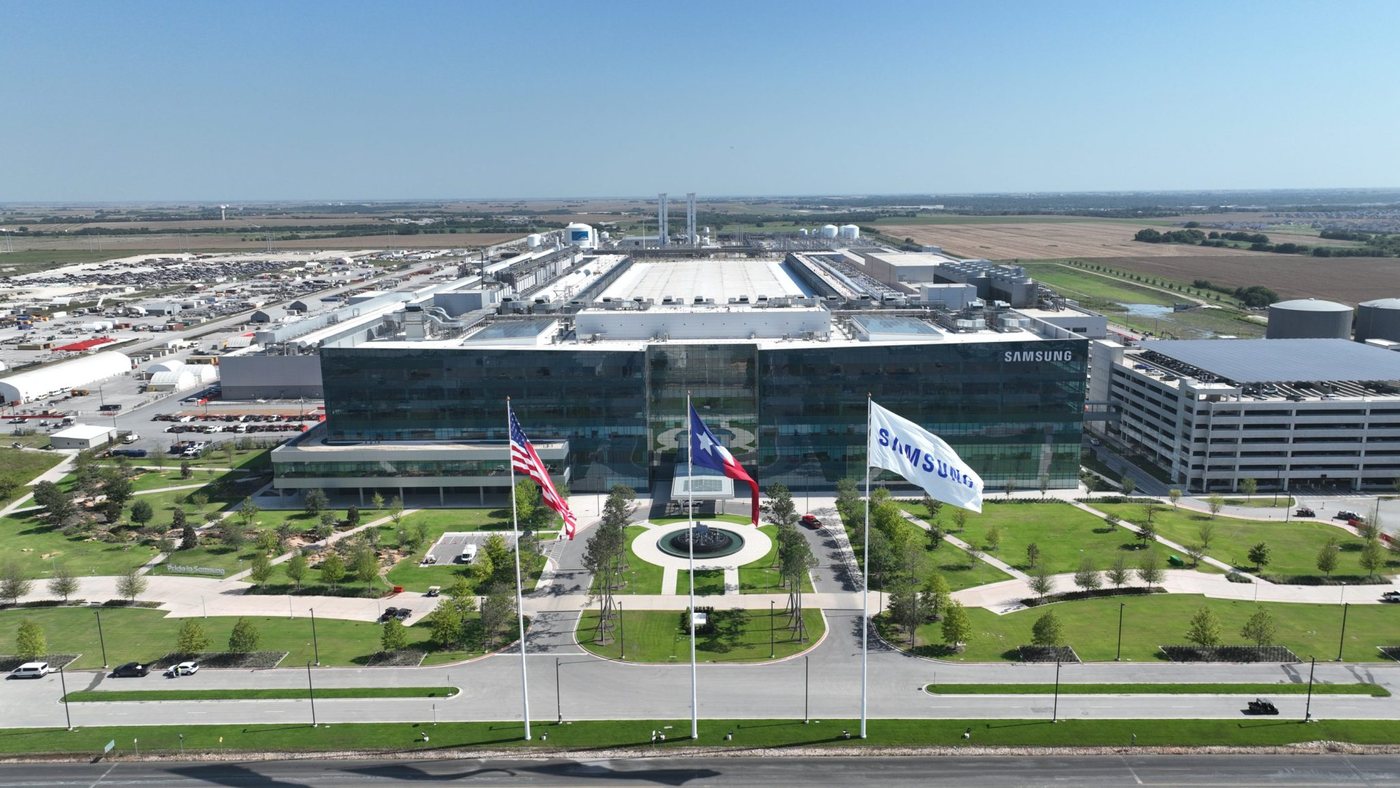
Samsung Electronics is preparing to open a new advanced semiconductor manufacturing facility in Taylor, Texas, a project the company describes as the largest investment it has ever made in the United States. In a commentary published on, Paul Cho, President and Head of Device Solutions Americas at Samsung Electronics, argued that the lasting value of such projects lies less in the factory itself than in what is built around it, including skilled workers, local suppliers and educational institutions.
Cho wrote that putting up capital is not the same as putting down roots. Samsung says it has invested more than $100 billion in the United States over nearly five decades and has manufactured semiconductors in Central Texas for more than 30 years. The company expects its total investment in Texas to reach around $40 billion by the end of this year. Its U.S. operations, anchored by semiconductor work in Central Texas and Silicon Valley, generate more than $40 billion in economic impact and support more than 175,000 jobs, according to the company. In 2025 alone, Samsung said its Austin and Taylor campuses contributed $10.9 billion to the Central Texas economy.
Cho said several of Samsung's supply chain partners are relocating or expanding their presence in the area as a result. He noted that a semiconductor fab can be built in a few years, but becoming part of a local economy takes far longer. That process, he wrote, depends on skilled workers, suppliers able to grow alongside new investments, and schools and colleges that prepare people for emerging opportunities.
To support that pipeline, Samsung has committed a new $22.84 million investment in Central Texas this year. The package includes a community engagement program, the company's 5-Star Workforce Development partnership plan, a new industrial trades training program and an expansion of its paid internship program with Taylor Independent School District. Samsung also says it is deepening partnerships with The University of Texas at Austin, Texas A&M University, local community colleges and high schools across the region. These partnerships support scholarships, fellowships, curriculum development, training programs and educational resources.
The company's commitments extend to Silicon Valley, where its semiconductor headquarters has been based since 1983. Cho said Samsung invests in educators and mentors who shape young people's paths, reaching more than 50,000 students and 800 educators locally each year. One example is a fellowship that embeds teachers with Samsung's research and development engineers to build classroom-ready STEM lessons. Cho wrote that whether in Texas or California, the goal is a workforce ready for the opportunities the industry will create.
Cho also pointed to programs beyond semiconductors, including home appliance manufacturing in Newberry, South Carolina, and community STEM initiatives such as Solve for Tomorrow. Since 2010, more than 620,000 students have participated in Solve for Tomorrow, and Samsung says it has provided technology and classroom resources to more than 4,300 schools nationwide. He argued that as the skills required in manufacturing and technology change, workers will need more accessible pathways into new careers, and young people will need earlier chances to see themselves as innovators and problem-solvers.
Cho framed the issue as a broader question for communities receiving new investment as the United States marks its 250th anniversary. The answer, he wrote, should be more than a facility or a dollar figure. It should include people with new skills, stronger pathways into emerging industries, suppliers prepared to grow and institutions equipped to support future opportunities. In Cho's words, capital can build a factory, while durable investment builds the capabilities that allow companies and communities to keep moving forward together.
7