Overwatch raises $15 million to fight AI-driven cybercrime
New York startup Overwatch has raised a $15 million Series A to help companies defend against digital threats that now blend cyberattacks, fraud and money laundering.
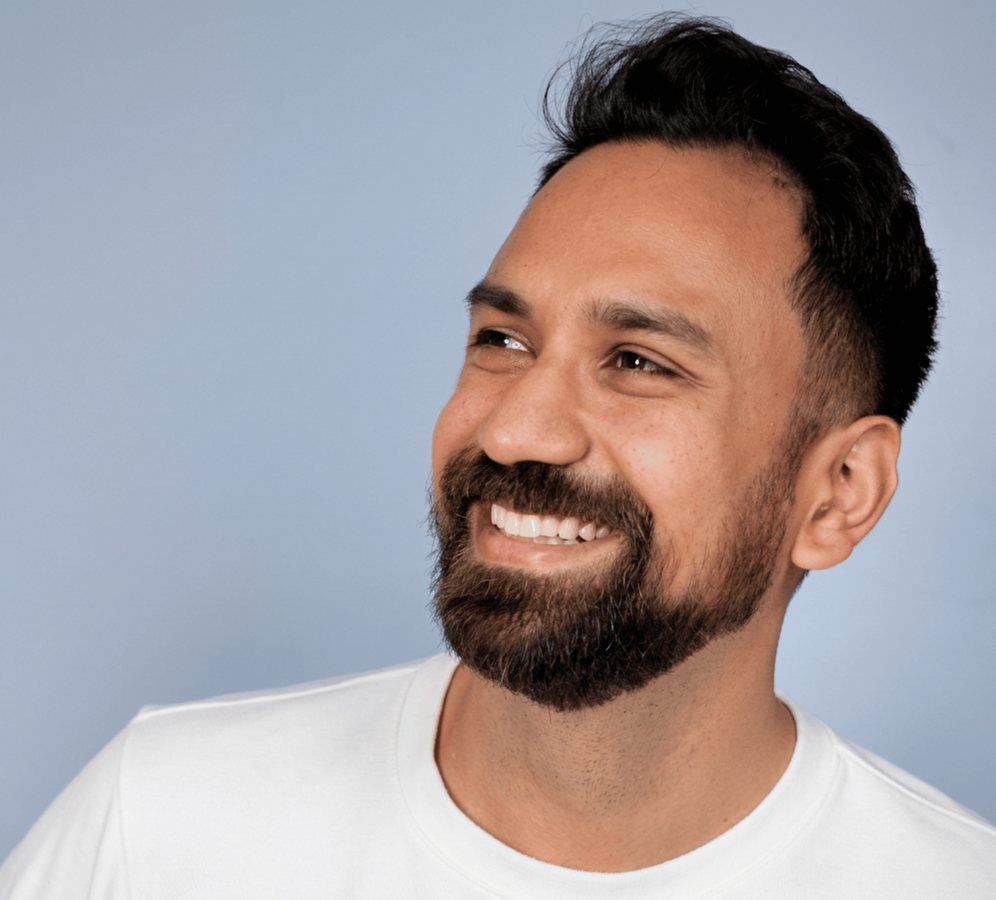
New York-based digital threat detection startup Overwatch has raised a $15 million Series A round, led by Mouro Capital, with participation from Visa Ventures and Capital One Ventures. The company is betting that artificial intelligence has changed cybercrime so fundamentally that companies can no longer treat hacking, fraud and financial crime as separate problems.
Arjun Bisen, cofounder and CEO of Overwatch, argues that AI has already reshaped the criminal underworld, even as public attention focuses on the prospect of rogue AI agents. Bisen, a former Australian diplomat who helped shape the country's cyber engagement strategy in the 2010s, said the scale of the problem is not fully understood by the public. Cybercrime, from SMS phishing and ransomware to fake businesses moving illicit cash, has existed since the early days of the internet. What has changed, he said, is its speed, cost and interconnection.
Bisen said attackers now blend what were once distinct categories into a single operation. "A threat actor doesn't say: 'I'm going to do a cybersecurity exploit.' They say: 'I'm going to smash and grab, move money away,'" he said. "These silos of cybersecurity and money laundering and fraud, the idea that those are separate, that's disappeared." His view is that cyberattacks and fraud need to be addressed holistically and together rather than in separate silos.
Bisen and Zara Perumal cofounded Overwatch in 2022. The company builds and uses technologies, including AI agents, to help businesses scale their defenses against digital threats. Visa, Capital One, Cash App, SoFi, Stripe and DoorDash are all listed as Overwatch customers. Other backers include PruVen Capital, New Era Capital Partners and Y Combinator.
Bisen said AI has made scamming so inexpensive and fast that it has effectively lowered the barrier to entry for criminals. He pointed to a Mastercard estimate that an attack now costs less than $3. "As much as we've all seen the scam messages, it's actually way worse than even that suggests," he told Fortune.
He cited a recent case in which a single threat actor launched more than 100 attack campaigns in about five days and compromised 27 payment sites. The actor then sat behind those sites, skimming card details, and Bisen said the card data captured could total more than 600,000 cards. He has also investigated seemingly legitimate businesses, including bookshop websites and computer repair outfits, that turned out to be linked to gambling and the movement of illegal cash. Stolen accounts, sometimes worth millions, come up regularly in his work.
Bisen also described a growing market for tools that support these operations, from specialized software for sending scam texts to programs built to gather stolen login details. "Investors always tell me SaaS is dead," he said, "but it's definitely not dead when it comes to the illicit economy."
7