Former Call of Duty Dev Calls for Royalties as Black Ops PlayStation Ports Earn $435 Million
A former Treyarch level designer says developers should share in the windfall from legacy game re-releases, arguing it is hard to watch executives profit from work done over a decade ago while original creators receive nothing.
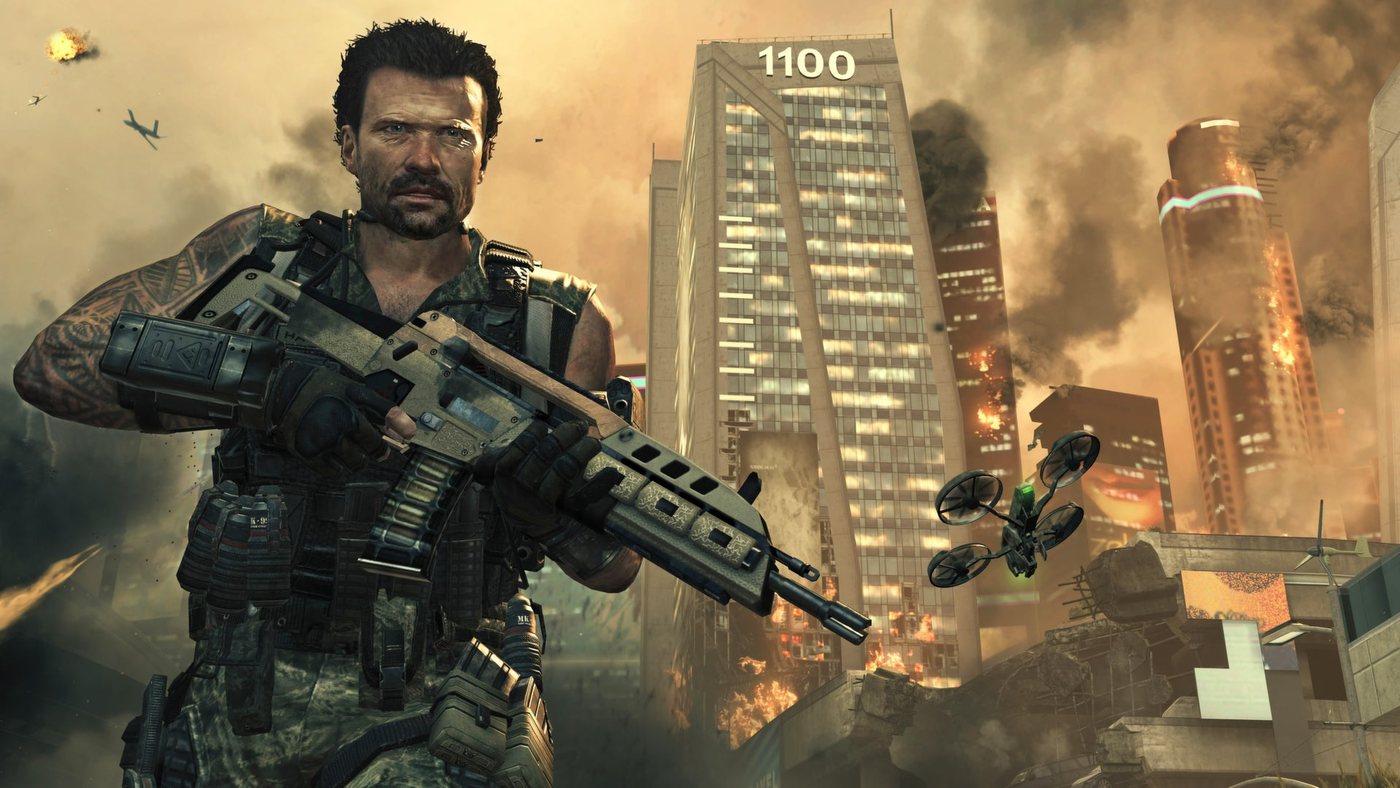
A former Call of Duty designer is calling for developers to receive royalties when older games are ported to new systems, arguing that the creators behind classic titles should share in the revenue those games continue to generate. Gavin Goslin, who worked as a level designer at Treyarch on the original Black Ops and Black Ops 2, made the case after the two games were re-released on PlayStation and became an immediate commercial success.
The ports of the 2010 and 2012 titles sold a combined 11.2 million copies in July, generating an estimated $435 million in a single month, according to figures from Alinea Analytics. The releases were basic $40 digital versions with no new features, yet both shot into the Circana U.S. Top 10 for weekly active users almost immediately.
Goslin described the situation as bittersweet. In a post on LinkedIn, he said it was amazing to see games he helped build still dominating the charts in 2026, but difficult to watch the financial rewards flow to executives rather than the people who made them. «It's hard to watch the suits rake in giant financial windfalls from our old code while the actual creators don't see a dime of it,» he said.
He argued that the wealth should be distributed retroactively, comparing video games to books, movies and music, where creators typically receive ongoing royalty payments. «If executives are getting massive bonuses off the longevity of these classics, that wealth needs to be shared retroactively,» Goslin said. «Legacy revenue should mean legacy rewards for the devs who survived the crunch to build them.»
The designer also reflected on the working conditions behind the original games, describing countless brutal hours of crunch alongside a talented team to make sure the titles were perfect. He said the success of the ports proved two things: that today's gaming landscape is starved for the tight, high-quality experiences players used to get, and that legacy titles remain massive money-makers for Activision and Microsoft.
There is no indication that Xbox plans to create a royalty payment system for developers. Still, the discussion arrives at a moment of heightened attention to older games. A surge in AI-generated ports of classic titles on browsers has drawn notice from Microsoft itself, which recently announced an Xbox Labs project in response to the trend.
Activision, meanwhile, appears eager to repeat the Black Ops experiment. Chief marketing officer Tyler Bahl told The Game Business that the publisher had learned a valuable lesson from the re-releases. «The Black Ops ports were huge successes. We thought they would do well, we didn't think they would do that well,» Bahl said. He credited pent-up demand from players who wanted to return to the good old days of playing with friends on a Friday night.
Bahl said the company is applying those learnings not only to its next release but to future games. Modern Warfare 4, which closes out the rebooted Modern Warfare saga, arrives October 23. Whether Activision will follow with ports of the classic Modern Warfare titles next summer, ahead of the next mainline entry in the franchise, remains an open question.
For Goslin, the episode is less about nostalgia than about fairness. The games he helped create more than a decade ago are still earning hundreds of millions of dollars, and he believes the people who built them deserve a lasting share of that success.
8