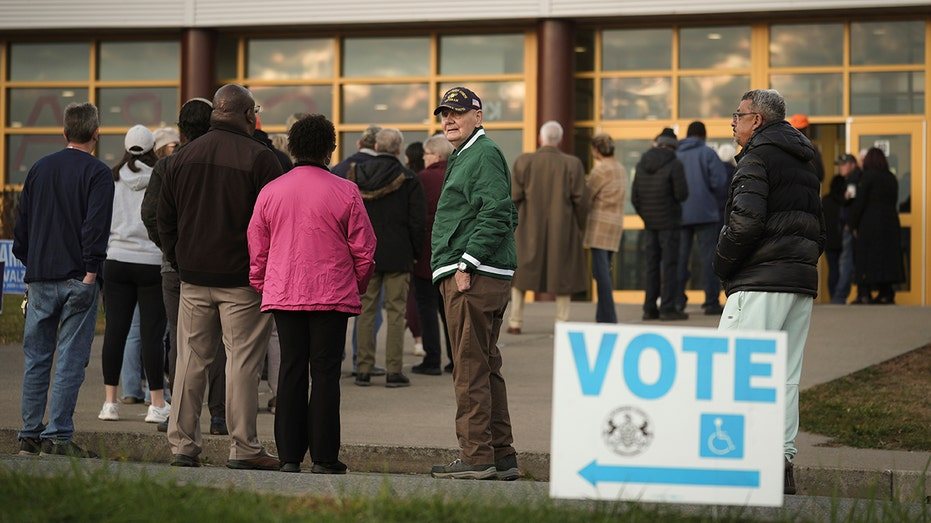
Rogers Sees Opening With Democratic Voter Blocs in Michigan Senate Race
With two weeks until the midterms, Republican Senate candidate Mike Rogers is courting traditionally Democratic voting blocs in Michigan while warning that his opponent's agenda is too extreme for the state.
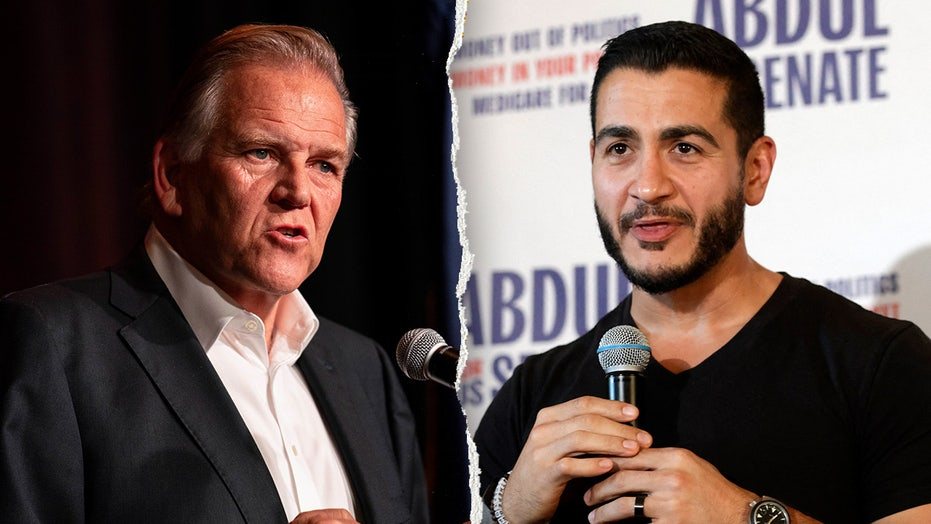
Republican Senate candidate Mike Rogers is making a direct appeal to traditionally Democratic voting blocs in Michigan, arguing that his party has an opening with voters who feel abandoned by the left in one of the country's most closely watched battleground races.
The push comes with just two weeks remaining until the midterm elections, a period in which both parties are sharpening their closing messages in states that will determine control of the Senate. Rogers, a former congressman, has centered his late-stage argument on a warning that his Democratic opponent, Abdul El-Sayed, holds what he describes as an extreme agenda that does not reflect the priorities of Michigan voters.
Rogers' campaign is betting that economic concerns and public safety will pull working-class and moderate voters away from Democrats, particularly in communities that have historically formed the backbone of the party's coalition. The strategy reflects a broader Republican effort to peel away support from key Democratic constituencies ahead of Election Day.
The Michigan contest has drawn national attention as Republicans look to flip a seat in a state that has tilted narrowly in recent presidential cycles. Party leaders on both sides have signaled that the outcome could help decide which party controls the Senate next year.
At the same time, a top ally of former President Donald Trump is warning that the Republican Party would be «dead» if it loses a key voting bloc in the midterms, underscoring the internal pressure on GOP candidates to expand their appeal beyond the party's base. The remark highlights concerns among some Republicans that the party's coalition is not broad enough to win competitive statewide races without gains among independent and crossover voters.
Elsewhere in the political landscape, Senator Joe Manchin delivered a stinging rebuke to Senate Majority Leader Chuck Schumer with a surprise campaign stop, a move that adds to the intraparty tensions Democrats are managing in the final stretch. The episode illustrates the delicate balance Democratic leaders face as they try to hold together a coalition that spans from moderates to progressives.
Trump, meanwhile, is heading to North Carolina with two weeks to go before the midterms, part of a closing push in which the former president is seeking to energize Republican voters in states that could shape the Senate map. His travel schedule signals that the party is prioritizing turnout among core supporters while candidates like Rogers work to broaden their reach.
The final weeks of the campaign are also playing out against a backdrop of heightened political volatility, with debates over affordability, public safety and the direction of the country dominating the national conversation. For Rogers, the closing argument is simple: that Michigan voters want a senator who will push back against what he calls an extreme agenda and focus on the kitchen-table issues that matter most to working families.
Democrats, for their part, are expected to counter that Rogers' record and party affiliation tie him to a national Republican agenda that they say is out of step with Michigan. The outcome will depend on which side can turn out its base while winning over the sliver of undecided voters who remain up for grabs.
5