Pollster Lee Carter Says 2026 Midterms May Hinge on Voters Who Stay Home
Pollster Lee Carter argues that the decisive swing voter in the 2026 midterms may not be someone switching parties but someone deciding whether to vote at all, pointing to turnout gaps and new registration data.
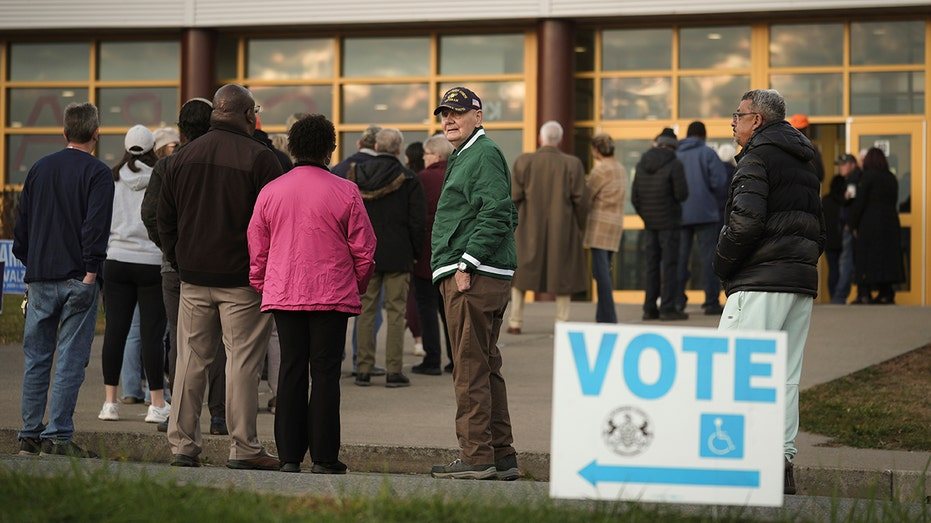
The most consequential swing voter in the 2026 midterms may not be the undecided voter weighing Republicans against Democrats, but the eligible American deciding whether to cast a ballot at all, pollster Lee Carter argues in a new analysis of voting patterns and registration data.
Carter, who has spent her career studying why voters change their minds, writes that the political industry has spent decades and millions of dollars chasing a narrowly defined swing voter — the diner patron agonizing over party choice — while paying far less attention to Americans who change their voting habits. The numbers, she argues, suggest that shift deserves far more scrutiny.
According to Pew Research figures cited in the analysis, 12% of voters in 2024 had skipped both the 2020 presidential election and the 2022 midterms despite being eligible to vote. President Donald Trump won that group by 14 points, while voters who participated in all three elections split almost evenly, with Trump at 50% and Kamala Harris at 48%. Of all Americans eligible in those three contests, just 41% actually voted in all of them.
The 2022 midterms offer a case study in why turnout can matter more than persuasion. Republicans won the House popular vote that year, yet among people who voted in both 2020 and 2022, only 6% switched parties or backed a third-party candidate in either election. What moved the result was participation: 71% of Trump's 2020 voters returned in 2022, compared with 67% of Joe Biden's. Republicans, Carter notes, did not need millions of Democrats to change their minds — more of their own voters simply showed up.
For 2026, the analysis points to a pair of competing signals. Republicans have made substantial gains in voter registration since 2018, improving their registration margin relative to Democrats by eight percentage points in North Carolina, seven in Pennsylvania, five in Nevada and four in Arizona. Those are actual registration records rather than survey estimates, Carter emphasizes.
Democrats, however, hold an advantage in enthusiasm. A new Pew survey found that 63% of supporters of Democratic House candidates say they are extremely motivated to vote, compared with 46% of Republican supporters who say the same. The result is a split picture: Republicans have strengthened their registration position while Democrats report far greater eagerness to cast ballots.
Neither party should celebrate yet, Carter warns. In 2022, the country recorded its highest midterm voter-registration rate in decades, yet fewer eligible Americans actually voted than in 2018. Registering, in other words, has proven easier than getting to the polls.
With less than three weeks until Election Day, Carter argues that observers should focus less on another two-point movement in the polls and more on who is actually voting. Among the open questions she raises: whether people who skipped the last midterms are coming back, whether the voters Trump brought out in 2024 will show up without his name on the ballot, whether Democratic enthusiasm will translate into votes, and whether newly registered Republicans will actually cast ballots.
Persuasion still matters, Carter concedes, and voters do change their minds. But she contends that elections have long been treated as a tug-of-war over a handful of voters in the middle, when outcomes sometimes shift not because people switch sides but because one side shows up and the other does not.
The swing voter has not disappeared, according to the analysis — the definition of the swing has simply been too narrow. The old swing voter was deciding who deserved their vote. The new one may not switch sides at all. Sometimes, Carter writes, they switch off. And the most important undecided voter in America may have already settled on a candidate while remaining undecided about whether to bother voting.
7