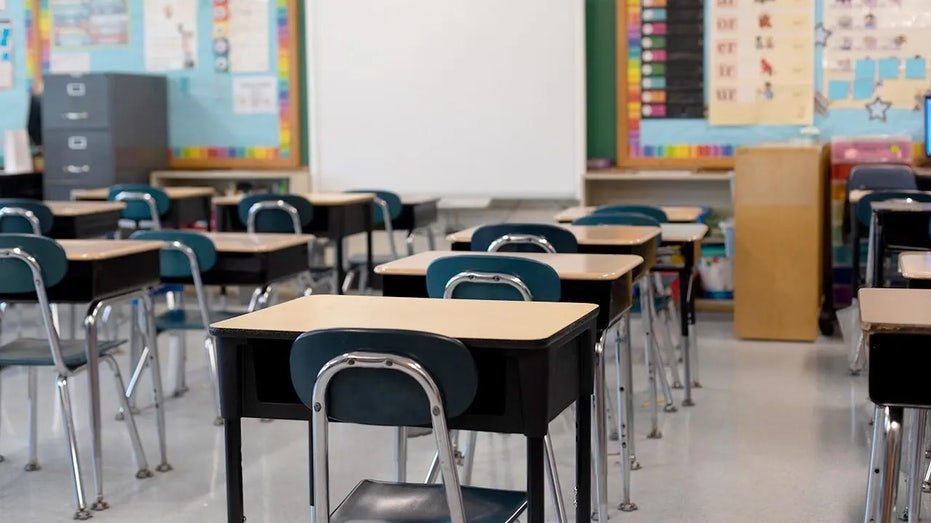
Nikole Hannah-Jones Opens Up About Daughter's Struggles in New York City Public Schools
Nikole Hannah-Jones, founder of the 1619 Project, has published a personal essay detailing her decade-long effort to keep her daughter in New York City public schools, only to watch her fall behind in classrooms with low standards and disengaged staff. The account has reignited debate over school choice, teachers' unions, and the limits of progressive education ideals.
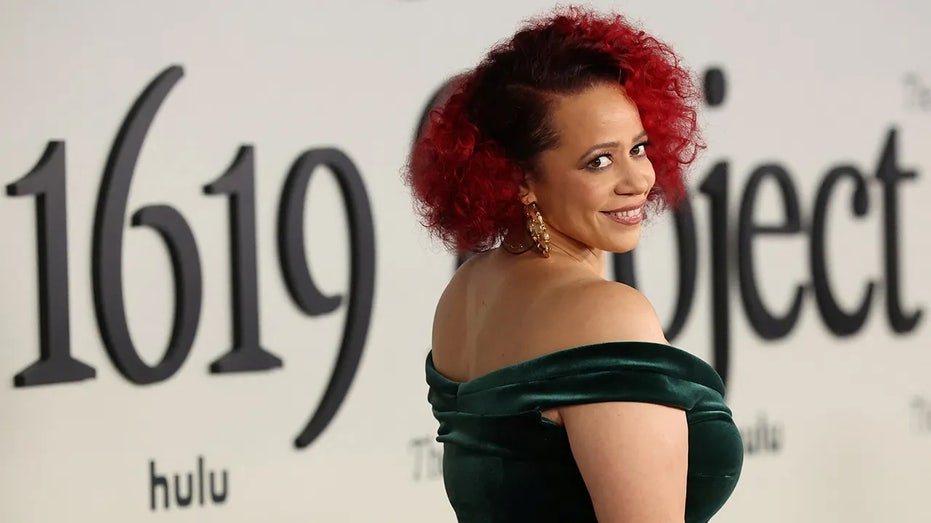
Nikole Hannah-Jones, the Pulitzer Prize-winning founder of the 1619 Project, has published a deeply personal essay describing how her commitment to sending her daughter to local New York City public schools ultimately failed the child. The piece, titled «In Fighting for Every Black Child, Did I Betray My Own?,» recounts nearly a decade of watching her daughter Najya struggle in classrooms where teachers showed little interest, homework went unchecked, and behavior problems disrupted learning.
Hannah-Jones, a domestic correspondent for The New York Times Magazine who covers racial injustice and civil rights, had long argued that children should attend their neighborhood schools and that school choice was unacceptable. In a 2016 essay, she noted that her middle-class neighbors in Bedford-Stuyvesant, both Black and white, were opting out of the local school. She chose to stay, believing her prominence and determination could help improve the school from within. Her new account shows that effort did not succeed.
The essay details problems at both the elementary and middle school levels. At her daughter's elementary school, Hannah-Jones describes teachers who seemed disinterested and bad behavior that went unpunished. She once visited the lunchroom and found what she called pandemonium, writing that it was not the children who horrified her but the callous disregard of the adults. In middle school, homework was not checked and standards were low. When her daughter failed the state algebra test, Hannah-Jones attributed it to unfair standardized tests rather than to gaps in instruction.
The column has drawn attention because it illustrates a broader debate over New York City's education policies, which have been shaped by many of the ideas Hannah-Jones has championed. Progressive Mayor Bill de Blasio removed competitive benchmarks such as attendance, grades, and test scores for middle school admissions during the COVID-19 pandemic, and his successor, Eric Adams, maintained the practice. Gifted and talented programs have been severely reduced, and entrance tests are no longer used. New York's longtime cap on charter schools limits alternatives for many families.
Hannah-Jones has opposed school choice and gifted programs, and in a 2018 keynote address at the Color of Education summit in North Carolina, she lamented that white students were choosing charter schools over public schools in places like Wake County, which she called a model of integration. Yet when a Black student in the audience asked for guidance on navigating predominantly white colleges, Hannah-Jones advised her to attend Howard University, a historically Black institution. She ended that talk by saying the future of children and the nation depends on progressives winning the fight to reclaim public schools.
Critics argue that the essay avoids confronting the role of teachers' unions in protecting ineffective teachers and administrators, and that it presents school choice as a cause of failure rather than a remedy. When Hannah-Jones confronted her daughter's middle school principal, the principal responded through tears that the situation reflected a segregated system divided not only by race and class but by ability, calling it the reality of school-choice systems. Supporters of choice say that reality should allow capable, motivated students to escape classrooms that slow them down.
New York City also has a network of charter schools, Success Academy, that produces stronger results than public schools while serving students of similar economic means, a contrast Hannah-Jones does not address in her essay. The piece has been read as a rare admission that good intentions and progressive policy commitments can collide with the daily realities of failing schools, and it has renewed questions about how to balance integration, equity, and the immediate educational needs of individual children.
6