Analyst’s chatbot error nearly sparked US-China standoff, scholar warns
A crisis-decision scholar argues that AI tools entering the Situation Room could amplify leaders’ biases behind an objective-seeming veneer, citing a reported near-miss over a vessel in a standoff with China.
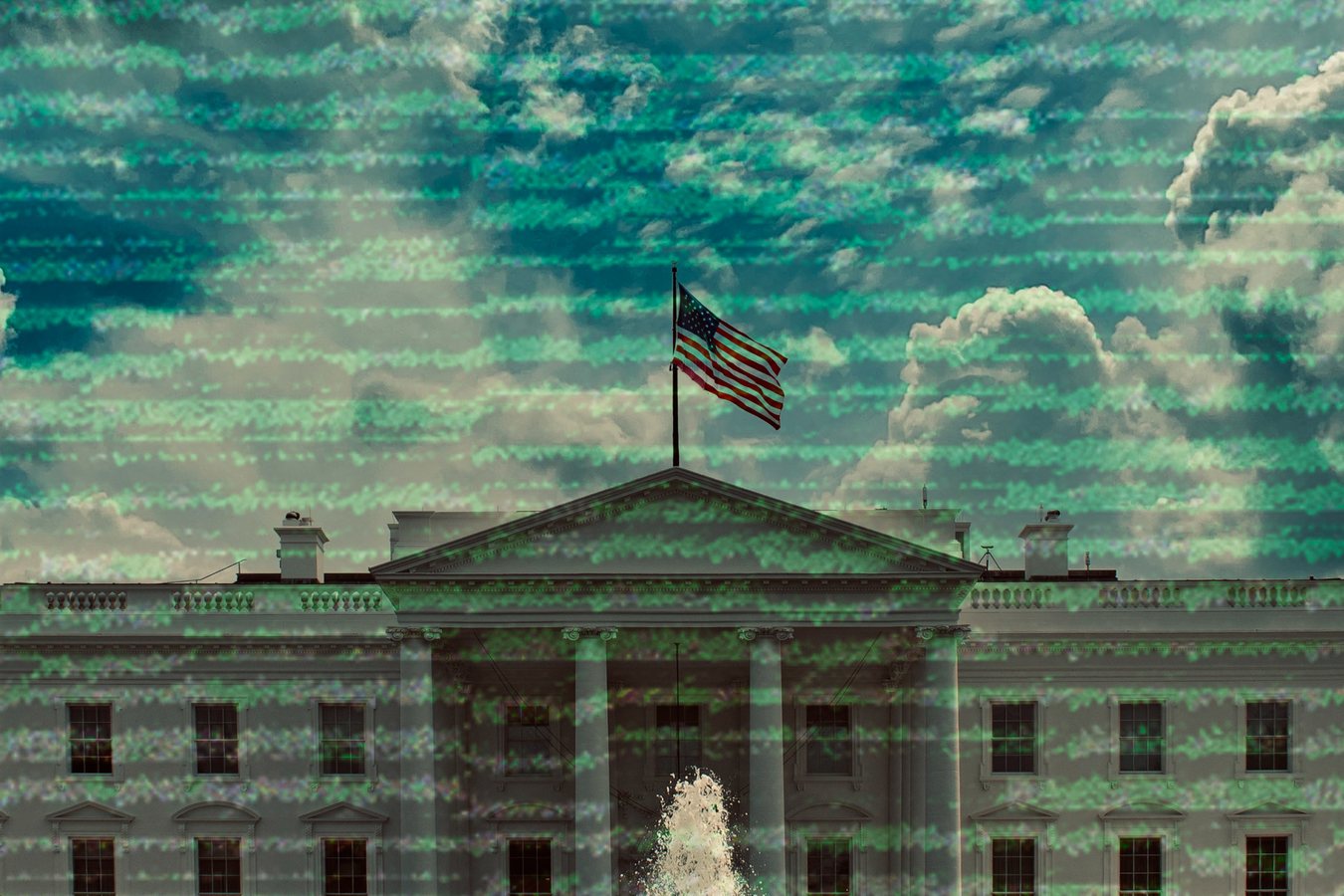
A crisis-decision and intelligence scholar warns that artificial intelligence is likely entering the White House Situation Room, if it has not already, and that its use in national security could make dangerous mistakes look like sound analysis. In a Time opinion piece, the author points to a reported near-miss in a US-China standoff over a vessel, in which an analyst relying on a chatbot wrongly concluded that the ship carried nuclear materials.
According to the account, aircraft were launched to intercept the vessel before the error was caught. The mistaken judgment did not stay at the analyst level. It reached the chain of command, where it carried the weight of vetted intelligence. The author argues that this episode shows how quickly an unverified machine-assisted conclusion can gain institutional credibility once it moves upward.
The central concern is that AI may amplify the biases a leader already holds. Because human models and training data both come from people, the author contends that AI systems are not neutral. Confirmation bias and selective attention affect presidents as much as anyone else, and a polished, numerical output can make those tendencies harder to detect. The risk, in this framing, is less that a machine decides for officials and more that it lends an air of objectivity to conclusions that were shaped by flawed inputs.
To illustrate the problem, the author revisits the intelligence assessments made before the May 1, 2011, raid on Osama bin Laden’s compound in Abbottabad, Pakistan. Individual adviser estimates of the likelihood that bin Laden was present reportedly ranged roughly from 30 percent to 95 percent. A hypothetical AI synthesis of the same intelligence could have produced a single figure of 63.7 percent. The author argues that such a number would obscure which indicators were credible, which were dismissed, and the fact that serious disagreement existed at all.
The author also raises the risk of what might be called synthetic consensus. The CIA, the Defense Intelligence Agency, the State Department and the military may share foundation models and data sources. If so, ten assessments that appear to agree could trace back to a single common origin, creating the illusion of independent corroboration.
The piece proposes several safeguards. Systems should be designed to challenge users rather than simply deliver quick answers. Tools should weigh the credibility of evidence and generate rival explanations. Analysts should separate facts from inference and prediction and show uncertainty openly. Officials should record their own priors and confidence levels before consulting AI, ask what evidence would disprove their working judgment, and check whether the right question is being asked at all. The author further recommends that the Director of National Intelligence require disclosure of shared data sources across agencies, and that officials compare outputs from different AI models to surface divergence.
The author does not conclude that AI should be kept out of crisis decision-making. Instead, the argument is that its role must be governed carefully. The precise part AI played in the reported China incident remains unverified, and the author acknowledges that open question. What the piece makes clear is that as these tools move closer to the highest levels of government, the standards for how their outputs are questioned, documented and checked will matter as much as the technology itself.
Source: time.com
3