Prediction markets performed strongly in 2026 midterm races, analysis finds
Prediction markets such as Kalshi correctly anticipated the eventual winner in most tracked federal races, according to data cited in a recent opinion column, even as lawmakers and several states move to restrict them.
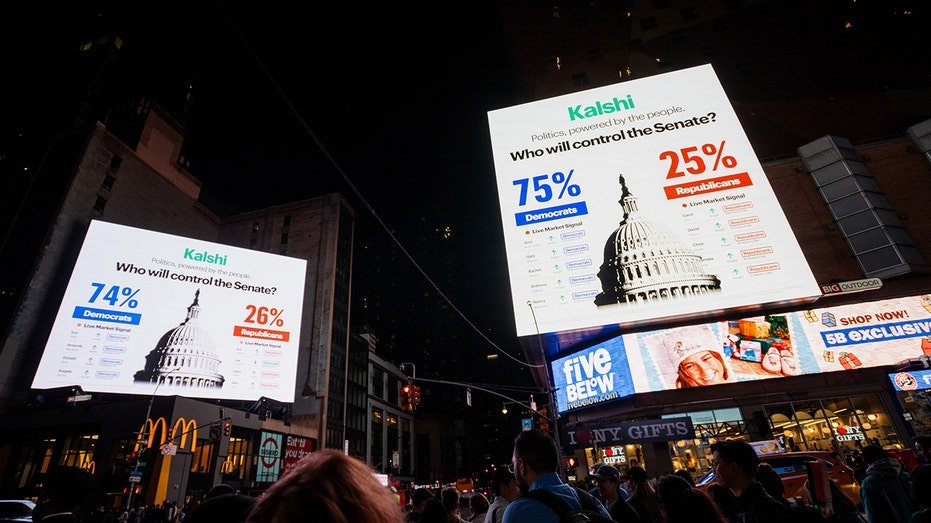
Prediction markets performed well in the 2026 midterm elections, according to a recent opinion column by Stu Burguiere, who argues that the platforms deserve more credit for their forecasting record. The piece points to data showing that the markets consistently favored the candidates who went on to win, a track record that has put the platforms at the center of a broader debate over whether they should be allowed to operate at all.
Kalshi, one of the largest prediction market operators, reported that the eventual winner was favored in 98 percent of the federal races it tracked. The company studied 2,243,741 resolved markets from 2021 through mid-2026 and said its prices were well calibrated as events approached. An independent site, Brier.fyi, reviewed nearly 74,000 Kalshi markets, and a study published in the journal PNAS examined more than one million forecasts across four platforms and found them roughly calibrated. A Washington Post review found that primary winners matched market-implied odds approximately.
The results were not perfect, and one of the most-watched outcomes illustrated that. In the South Carolina Senate race, Democrat Annie Andrews defeated Republican Sen. Darline Graham in an upset. Andrews had been roughly a one-in-three underdog on the markets before Election Day, a price that signaled a real chance of her winning even though she was not the favorite. Burguiere uses such examples to argue that markets assign probabilities rather than certainties, and that they can register uncertainty that polls and commentary often miss.
The column also notes the scale of money flowing into the 2026 contests. Political advertising spending topped $12.8 billion across the midterms, and preliminary estimates put ad spending in the Texas Senate race near $573 million. Burguiere argues that prediction markets could help fund data-driven reporting at a time when newsrooms have cut staff, suggesting that market revenue and the information they generate could support journalism that is otherwise shrinking. He writes from the perspective of someone who says he has spent a decade trading these markets.
That argument runs into significant opposition. Several senators have sent letters warning about election-related contracts, and a number of states have moved to sue or ban prediction markets. Whether the platforms will remain legal and regulated in individual states is still unresolved, and the outcome will shape how voters and reporters can use the forecasts in future election cycles. For now, the 2026 record gives both supporters and critics a concrete set of results to point to as the policy fight continues.
Source: foxnews.com
4