Certain sleep habits may flag a hidden form of depression, Australian study finds
An Australian study of more than 11,000 adults with a history of depression found that about 23 percent showed a sleep and body-clock pattern linked to a distinct form of the illness, which may respond poorly to standard antidepressants.
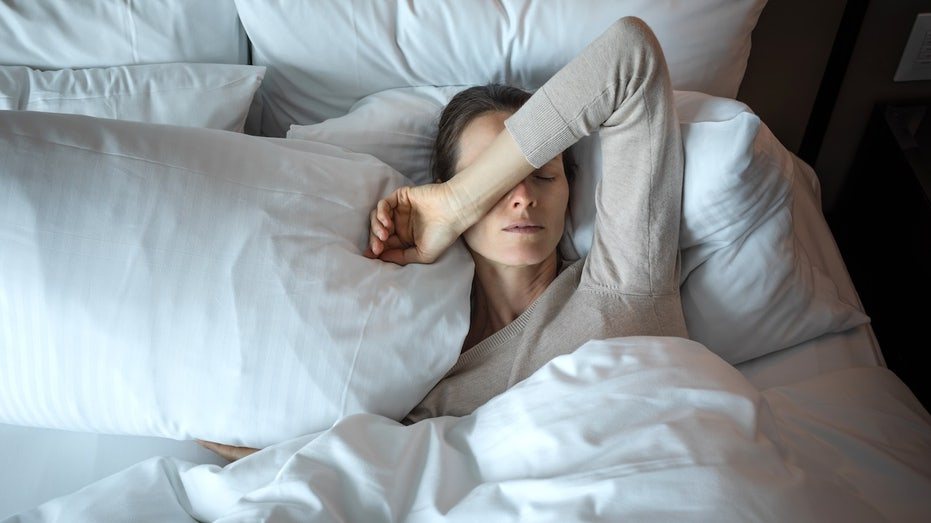
People whose depression is tied to their body clock may be identifiable through everyday sleep habits, according to a new Australian study. Researchers found that roughly 23 percent of adults with a history of depression met criteria for what they call "circadian depression," a pattern that appears to carry more severe symptoms and a weaker response to common medications.
The study analyzed data from 11,380 adults and was published October 20 in The British Journal of Psychiatry. The lead author is affiliated with the University of Sydney Brain and Mind Centre. To meet the circadian profile, participants needed at least three of six sleep and clock-related features. These included a strong evening chronotype, or preference for late activity; morning tiredness; oversleeping; seasonal changes in sleep; a later sleep midpoint; and a large shift in sleep timing between workdays and free days. Taken together, these markers describe a person whose internal clock runs out of step with the demands of work, school and daily routine.
Those in the circadian group reported an earlier age of onset, more severe depressive symptoms and greater weight gain than other participants. They also described poorer responses and more side effects with selective serotonin reuptake inhibitors and serotonin-norepinephrine reuptake inhibitors, two widely prescribed classes of antidepressants. The group also reported more manic-like experiences, a finding that may matter for clinicians deciding how to screen patients before starting treatment.
The researchers were careful about what the findings do and do not establish. The term "circadian depression" is not a formal diagnosis, and the criteria will need to be tested in other populations before they can be relied on. The study's design is cross-sectional, meaning it captures a snapshot in time and cannot show whether disrupted sleep causes depression, results from it, or both. All participants were of European ancestry, which limits how broadly the results apply, and sleep and treatment information was self-reported rather than measured directly.
The study also did not test treatments aimed at the body clock. Approaches such as light therapy, structured sleep schedules and melatonin were not evaluated, and the authors say those options need dedicated research before they can be recommended for this group. For now, the work offers a framework rather than a clinical tool. If the pattern holds up in larger and more diverse samples, it could help doctors ask more targeted questions about sleep when assessing patients who are not responding to standard care, and it could point researchers toward treatments that address timing rather than only mood.
Source: foxnews.com
3