Voters reject local data centers as 38 of 39 restrictions pass
Anti-data-center candidates and local restrictions gained ground in the midterms, with roughly seven in ten Americans opposing data centers in their communities.
Data centers, the sprawling facilities that power artificial intelligence and cloud computing, emerged as an unexpected issue in the 2026 midterm elections, and voters on the ballot largely rejected them. As of November 4, 38 of 39 local restrictions on data centers had passed, according to the reporting. The measures ranged from temporary moratoriums to outright bans, and they appeared in communities across the country where residents were asked to weigh in directly on the buildings. The results point to a growing backlash against the infrastructure behind the AI boom at the local level, where zoning, power and water decisions are made.
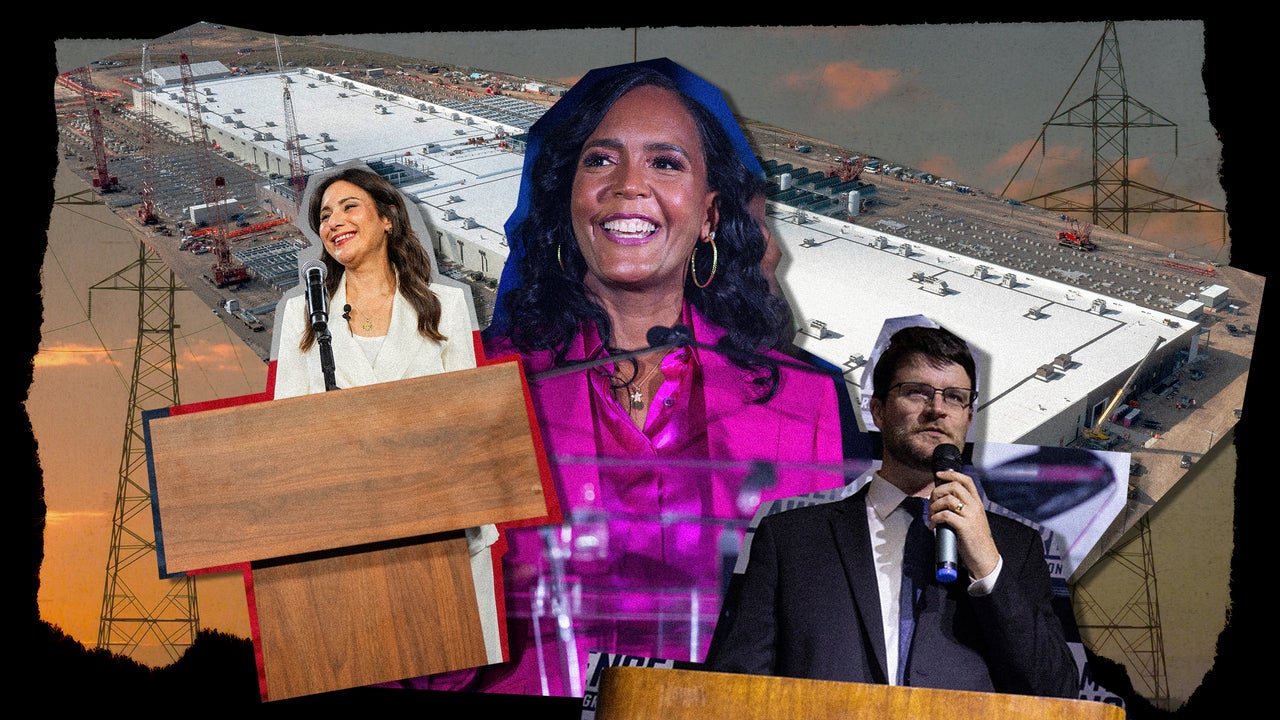
The pattern showed up in high-profile statewide races as well. In Texas, Gina Hinojosa won the governor's race after calling for a moratorium on data centers. Keisha Lance Bottoms, Deb Haaland and Amy Acton also won governor contests, and in Ohio, Sherrod Brown won a Senate seat while attacking the state's ties to data-center development. Anti-data-center candidates won several races in total, and the common thread was skepticism toward projects that bring large facilities into neighborhoods with limited say over how they are built. In Georgia, a House district race was closer than expected amid opposition tied to a proposed OpenAI data center, a sign that the issue could move results even in contests not decided by it.
In Michigan's 7th District, William Lawrence, a progressive organizer and cofounder of the Sunrise Movement, defeated Republican incumbent Tom Barrett, who was backed by President Donald Trump. Barrett had voted for AI-regulation preemption and the SPEED Act, votes that gave his opponents material to campaign against. Analysts caution that his loss may reflect other factors, including the Iran war and tariffs, so the precise role data centers played in swinging the race remains unclear. Lawrence's victory nonetheless shows how a candidate can build a campaign around opposition to the industry's expansion and win a seat in a competitive district.
Polling suggests the sentiment extends well beyond individual campaigns. Polls show about seven in ten Americans oppose data centers in their own communities, a level of opposition that cuts across the usual partisan lines that shape other election fights. That broad resistance is raising practical questions for the technology industry. Companies may shift construction toward communities that resist less, and constraints on power access and the pace of building could slow the growth of AI infrastructure. Anthropic's IPO filing cited data-center backlash as a growth risk, underscoring how seriously the industry is now treating the issue and how it could affect investors weighing the company's prospects.
Source: fastcompany.com
8