Justin Haskins sees three failures behind Republican midterm losses
In a Fox News opinion piece, Justin Haskins argues that Republicans lost ground in the 2026 midterms because they lacked an ambitious vision, failed to address affordability, and mishandled the Iran war, and he outlines what the party needs to win in 2028.
Republicans lost ground in the 2026 midterm elections for three main reasons, according to Justin Haskins, who argues in a Fox News opinion piece that the party failed to offer an ambitious vision, did not solve the affordability crisis facing American households, and handled the war with Iran poorly. Haskins contends that these shortcomings should guide the party's strategy heading into 2028.
Haskins writes that Republicans have largely campaigned on tax cuts and border security, which he describes as important but insufficient as a governing agenda. In his view, the party lacks a sweeping vision that gives voters a clear alternative to the status quo. He calls for a small-government agenda built around a flat tax and federalism, with power returned to states and localities and a reduction in the reach of Washington.
On affordability, Haskins points to data from the Federal Housing Finance Agency showing that home prices rose 54 percent between January 2020 and December 2024. Prices climbed another 2.8 percent from January 2025 through August 2026, according to the same figures he cites. Mortgage rates have remained high, squeezing first-time buyers who are already struggling to enter the market. Haskins acknowledges that the Trump administration and congressional Republicans have made some progress, particularly through deregulation and by making the tax law permanent. But he argues those gains have not been enough to change how families experience the cost of living.
Haskins also criticizes the party's record on government spending. He faults corporate subsidies and federal stakes in private companies, arguing they run counter to small-government principles. He notes that the federal deficit reached $1.99 trillion in fiscal year 2026 and is expected to be larger next year. He further contends that efforts by the Department of Government Efficiency to cut spending were undermined by Democrats and the media, though he does not detail those criticisms in the notes available.
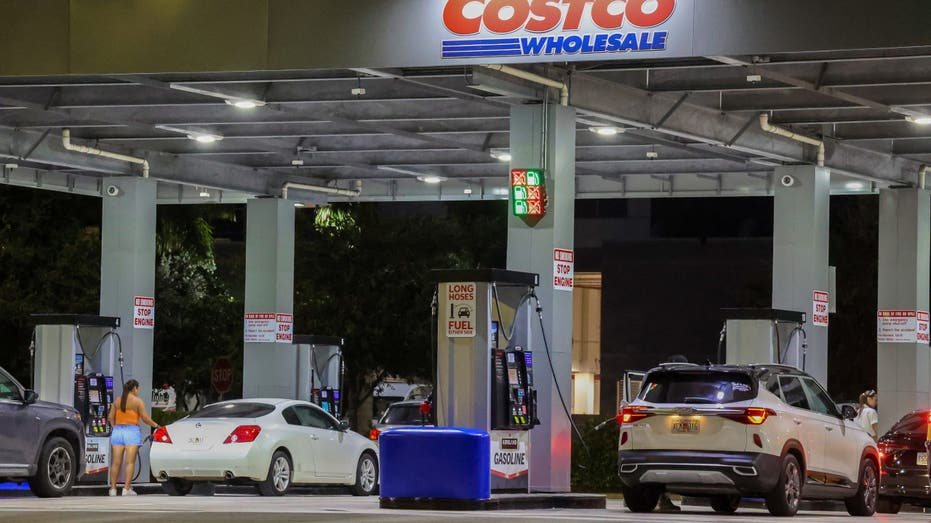
The Iran war, in Haskins's account, was a third major problem. He says the conflict divided President Trump's coalition and dragged on beyond its initial timeline. Higher gasoline and energy prices added pressure on households already dealing with elevated costs, and Haskins argues that the combination eroded support for Republicans.
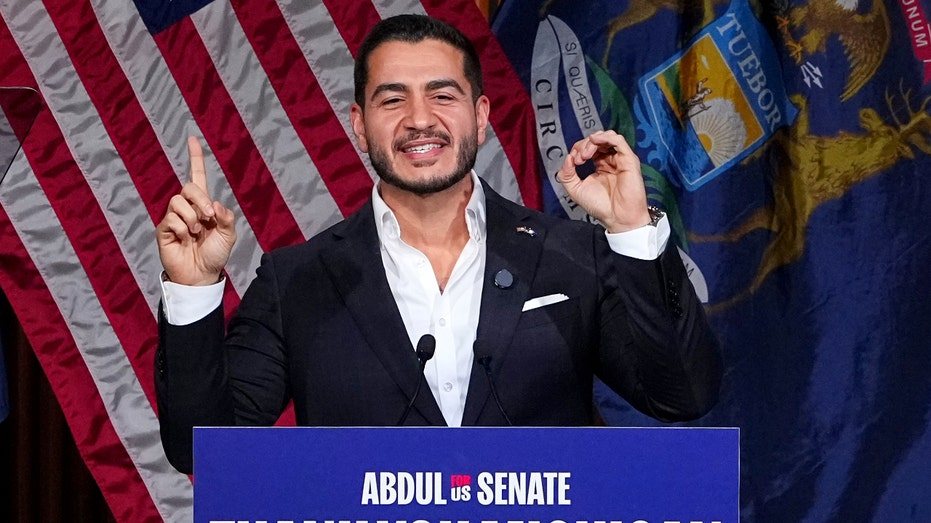
The election results reflected those pressures. Democrats are projected to win majorities in both the House and Senate. Haskins notes that Democrats campaigned heavily on affordability and that Republicans lost targeted seats, including some they already held. Redistricting efforts backed by Trump failed, and Haskins says the Ohio map may have helped Democrats. He ties the Democratic surge to voter dissatisfaction with Trump, the economy, and the Iran war.
Haskins's prescription is a clear, principled alternative built on limited government, lower taxes, and decentralized power, paired with concrete action on housing and living costs. Whether Republicans adopt that framework will shape their prospects as the party prepares for the 2028 presidential cycle.
Source: foxnews.com
6