Trump approved most disaster aid requests from all-Republican states and few from Democratic ones
An analysis of roughly 2,500 federal disaster declarations since 1979 finds the current administration approved about 90 percent of requests from all-Republican states and about 23 percent from all-Democratic states, as local communities weigh the gap in recovery support.
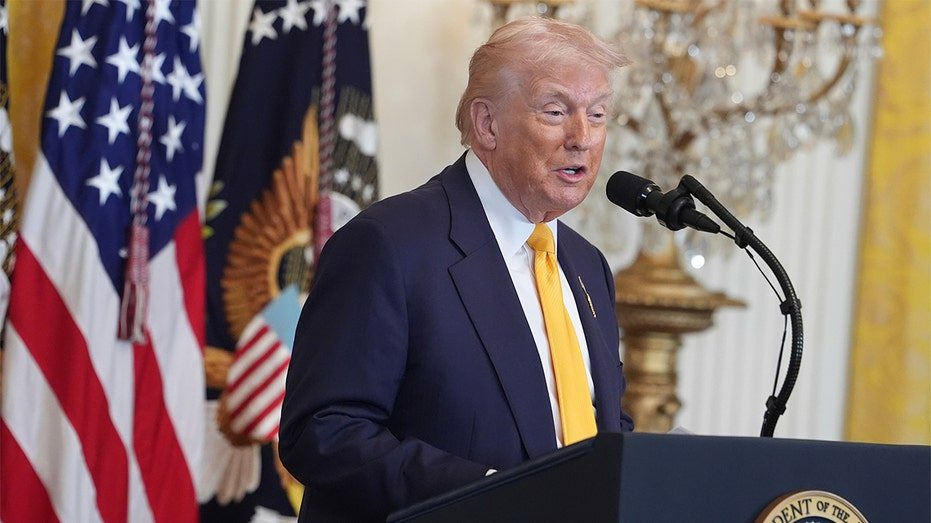
President Donald Trump has approved disaster aid requests at sharply different rates depending on the political party that controls a state, according to an analysis of federal declarations that found nearly 90 percent of requests from all-Republican states were granted, compared with about 23 percent from all-Democratic states. The disparity is raising questions about how aid decisions are made at a time when many communities are still rebuilding after severe weather.
The analysis examined roughly 2,500 major disaster declarations in states where the same party controls the governor's office and the state's delegation, dating back to 1979. Researchers at the Urban Institute found that approvals for states Trump won in the 2024 election stood at about 84 percent, compared with about 42 percent for other states. The administration denied 26 percent of major disaster declarations in 2025, well above the roughly 15 percent average denial rate over the previous two decades.
The trend is visible in individual cases. In Michigan, tornadoes in March 2026 killed four people, and the Federal Emergency Management Agency denied aid twice. Governor Gretchen Whitmer had requested help for uninsured losses and appealed after the first denial. In Colorado, two appeals filed in 2025 were rejected, which reporting described as the first such denials since the 1980s. Florida, by contrast, received $416 million announced in June, with the Panhandle named as a beneficiary.
The White House has denied that politics influences aid decisions. The gap nonetheless matters to local governments, which carry much of the immediate cost of disasters. FEMA owes localities nearly $10 billion in reimbursements, and a denied declaration can cost a town as much as 15 percent of its annual budget, according to the reporting.
Local responses in the affected communities have often relied on neighbors and institutions rather than federal money alone. In Union City, Michigan, schools, volunteers and the United Way responded within hours of the tornadoes. A local church started a fund to help residents cover insurance deductibles. The effort reflects a pattern the reporting ties to the strength of social networks during crises.
Research on earlier disasters points to the same role for community ties. In New Orleans after Hurricane Katrina, the Mary Queen of Vietnam neighborhood reached a return rate of about 90 percent by 2007, while the citywide rate was about 45 percent over the same period. The Rev. Vien Nguyen is credited with coordinating supplies and keeping residents connected. A study of the COVID-19 pandemic found that bonding and linking social ties were associated with fewer deaths across U.S. counties.
Public libraries also play a growing role. In 2025, 44.7 percent of U.S. public libraries served as cooling or warming centers. Eighty-four percent of library directors said libraries have a critical disaster role, yet only 36 percent knew that FEMA relocation funding was available to them, and just 51 percent reported an emergency preparedness plan.
Funding patterns are another concern. More than 90 percent of early-twenty-first-century federal disaster funds went to standard infrastructure, while under 10 percent went to libraries, parks, schools, worship sites and community centers. A Japanese study found that higher density of social infrastructure was linked to half the tsunami deaths. It remains unclear whether nonprofits and philanthropy can fill the federal funding gaps that such findings highlight.
Source: fortune.com
4