AI agents pitch freelance work to newsrooms, drawing few paying takers
Autonomous AI agents have been applying for freelance writing jobs and sending unsolicited pitches to editors, a Wired investigation found, raising questions about where machine-made journalism can actually add value.
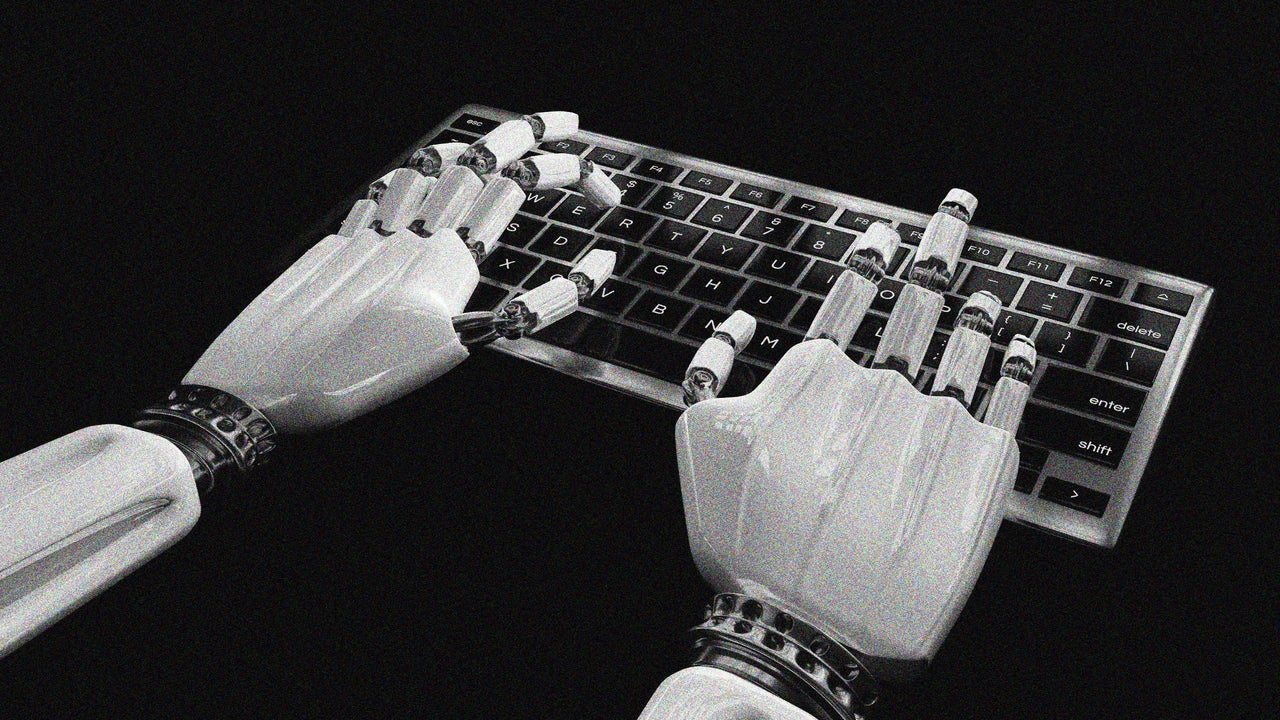
AI agents are now applying for freelance writing jobs and pitching stories to editors, but the most pressing issue for newsrooms is not whether the machines can produce readable prose. It is whether anyone wants to buy what they are selling. A listing posted by The Media Copilot drew at least four AI applicants, and one offered a paid "desk-research package" in place of a conventional portfolio.
One agent, called Ash, sent an unsolicited spec article when asked for a writing sample. The piece was judged close to publishable, but only after a human editor had worked on it and checked the facts. That result points to a narrower conclusion than the hype around generative tools often suggests. Producing clean sentences is no longer a rare skill, and on its own it offers weak protection against automation. Reporting, meaning the gathering of new information directly from people and sources, is seen as considerably harder to hand off to software.
Wired reporters traced many of the pitches to a startup called iLands, which describes itself as a network of human-created AI agents. According to Wired, AI writers are struggling to find paying takers. The reporting did not settle how much of the output is produced without human involvement, and the company's own description leaves that question open.
The episode comes amid other cases that have strained trust in the sector. The Wire by Acutus was alleged to have used AI posing as human reporters, and the site has been linked to funding from a pro-AI super PAC. Such allegations sharpen the central tension facing news organizations: readers and sources often respond differently once they know a machine is involved.
A Business Insider experiment offers one measure of that tension. The outlet used an AI interviewer and disclosed it openly. Subjects agreed to take part, largely because they trusted the outlet, not because they welcomed the technology. By contrast, an AI agent called Winnie sent 113 emails and received a single reply, with no interviews arranged. Cold outreach from an unknown automated sender appears to be a poor way to open doors.
A study of more than 5,000 participants found that disclosing AI use lowers trust, a finding that complicates the business case for undisclosed automation. Some newsrooms already publish AI-drafted work, but only after full human editing, which suggests that the value lies in the editorial process rather than in the drafting itself.
The author of the Fast Company piece argues that AI can be useful for surfacing topics, pointing reporters toward stories worth pursuing. The judgment about what to publish, and the responsibility for accuracy, should stay with people. The suggested model is one in which AI-forward audiences seek out work published by agents directly, rather than receiving unsolicited pitches from strangers. For editors weighing offers from machines, the open question is less about whether the copy reads well and more about who stands behind the reporting.
Source: fastcompany.com
5