Michigan Senate Primary Tests Democratic Divide Between Progressives and Establishment
The record-setting Democratic Senate primary in Michigan pits progressive Abdul El-Sayed against establishment-backed Haley Stevens. The race is the latest test of which wing of the party will set its course in the midterms.
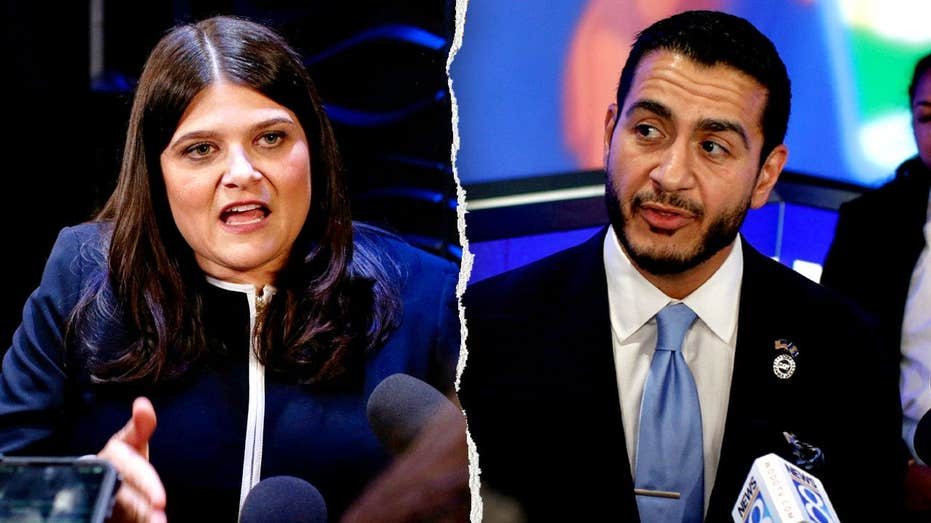
The internal feud inside the Democratic Party between its progressive wing and the establishment moved to the Midwest on Tuesday, with the most consequential contest of the night playing out in the open Senate race in Michigan. The primary between Abdul El-Sayed, a Sanders-backed insurgent, and Representative Haley Stevens, a centrist favored by party leaders, has shattered spending records and is widely seen as a test of whether the left can compete in a battleground state.
Polls closed first in Virginia, where voters joined Michigan, Kansas, Missouri, and Washington State in holding mid-summer primaries. The Michigan Senate race drew national attention because it offers the clearest confrontation yet between the two wings of the Democratic Party in a seat that could determine control of the Senate. Adam Green, co-founder of the Progressive Change Campaign Committee, described the contest as «ground zero in the battle for the future of the Democratic Party, pitting status quo corporate Democrats against shake up the system economic fighters.»
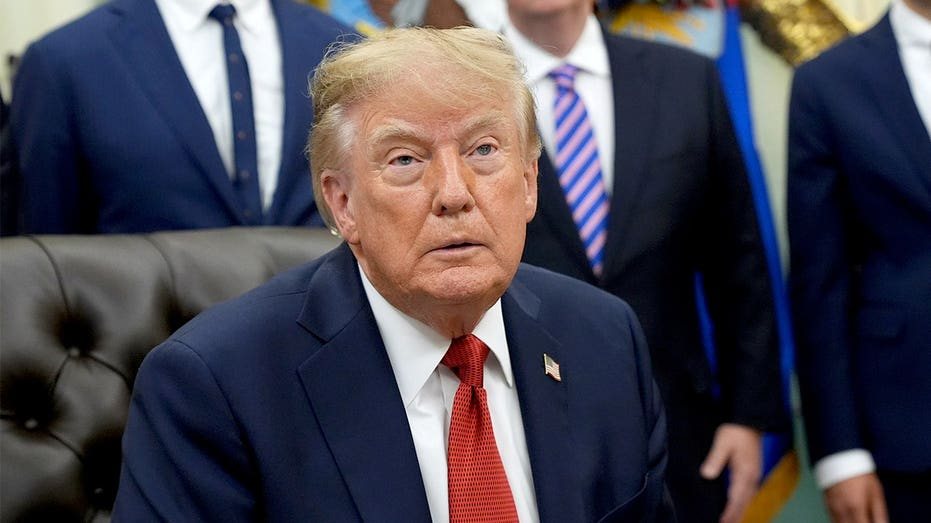
The race will choose a successor to retiring Senator Gary Peters, who is backing Stevens. Democrats view the seat as essential to protecting their slim Senate majority, and the Republican field is led by former Representative Mike Rogers, who is strongly favored to win the GOP nomination. Rogers lost the 2024 Michigan Senate election by a narrow margin and has the backing of President Donald Trump, whose endorsement power is also being tested in the Republican primaries on Tuesday.
El-Sayed, an epidemiologist and former director of the Wayne County Health Department, would become the first Muslim U.S. senator if elected. He ran an insurgent campaign for Michigan governor in 2018 and has anchored his Senate bid on «Medicare-for-all,» the abolition of Immigration and Customs Enforcement, and strong criticism of Israel over its military campaign in Gaza, which he has called a genocide. He has vowed not to accept PAC donations and recently campaigned in Michigan with Senator Bernie Sanders and Representative Alexandria Ocasio-Cortez.
Stevens, who flipped a Republican-held House district in 2018, presents herself as the Democrat who can win a general election against Rogers. She is supported by Peters, Governor Gretchen Whitmer, and Senate Democratic Leader Chuck Schumer. «I am the only person in this race who has won tough primaries multiple times,» she said while campaigning with Peters, pointing to a record of winning competitive races with what she called «Michigan grit, resilience and determination.»
More than $80 million has been spent on the primary, making it the most expensive Democratic Senate nomination race in American history. A large share of that money came from outside groups, including the United Democracy Project, a political action committee aligned with the American Israel Public Affairs Committee, which has poured resources into boosting Stevens and opposing El-Sayed. The progressive candidate has repeatedly attacked his opponent over the outside spending, asking whether Stevens is «actually electable on her own terms» if she needs tens of millions of dollars in help.
Rogers, who is expected to win the Republican nomination, said he is prepared to face either Democrat and expressed confidence that he could beat whichever candidate emerges. He argued that both are «way too extreme for Michigan» and described El-Sayed as having «his own special sauce of crazy.»
Democrats, meanwhile, predicted the party would reunite after the primary. Stevens said the goal was to ensure that «anyone but Mike Rogers gets to the United States Senate» and promised a united Democratic Party and a full-force campaign in the fall. El-Sayed also pointed to the shared threat, saying, «We all understand the risk of Donald Trump. We all understand the risk of Mike Rogers.»
The same ideological battle is visible in the 7th Congressional District in Michigan, a Republican-controlled swing seat that is among roughly two dozen races that may decide control of the House. The warning from Bennett underscored the national stakes of the Senate race: he called it «the first time the left is competing for a swing seat» and said the significance is that it «could really put this seat in jeopardy.»