McClatchy Replaces Laid-Off Sacramento Bee Reporters With AI Writers
McClatchy is staffing a new innovation lab with AI content roles after cutting dozens of reporters at the Sacramento Bee, drawing sharp criticism from surviving journalists who call the positions «AI content farm jobs.»
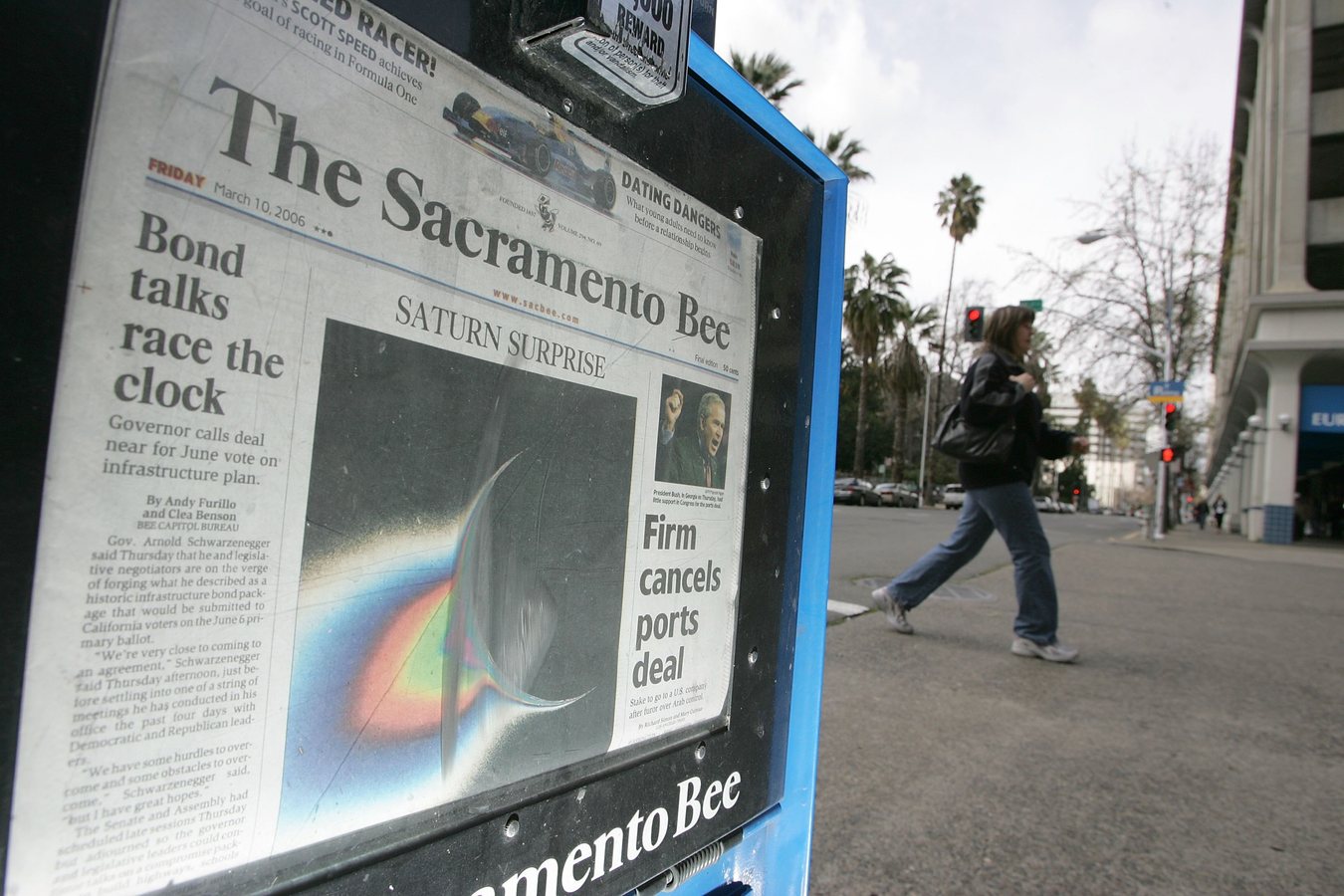
McClatchy is moving deeper into artificial intelligence at the same time it is cutting newsroom jobs, a strategy that has drawn sharp criticism from journalists at one of its flagship California papers. The company is staffing a new innovation lab with AI-focused content positions after laying off dozens of reporters at the Sacramento Bee, according to accounts from the newsroom.
The restructuring at the Bee, one of California's most closely watched regional newspapers, eliminated a significant number of reporting jobs. In their place, McClatchy has begun building out an innovation lab that relies on AI writers and related content roles. A reporter who survived the layoffs described the new positions bluntly as «AI content farm jobs,» a phrase that captures the anxiety running through a newsroom that has watched its ranks shrink while automated tools take on more of the work.
The development places McClatchy among a growing number of media companies experimenting with generative AI to produce or assist with content. But the Sacramento case stands out because the automation push is unfolding alongside traditional cost-cutting, rather than as a supplement to a stable newsroom. For the reporters who remain, the message is difficult to miss: the same organization that is investing in AI content roles has just decided that dozens of human reporting jobs are no longer necessary.
The layoffs and the AI hiring are part of a broader strategy at McClatchy, which has been restructuring its operations across its chain of local newspapers. The company has framed its innovation lab as a forward-looking effort, but the timing has made it a flashpoint. Newsroom employees and media observers argue that replacing reporters with automated content undermines the local accountability journalism that regional papers are supposed to provide.
The criticism from inside the Bee is notable because it comes from a journalist who kept a job. That perspective suggests the concern is not limited to those who were laid off. Surviving staff members are now being asked to work alongside AI-driven content operations that they view as a downgrade in quality and a threat to the craft. The phrase «AI content farm» evokes a model built on volume rather than depth, and it reflects a fear that the paper's local coverage will become thinner and less reliable.
McClatchy's move fits a pattern across the American news industry, where financial pressure has led to repeated rounds of layoffs and a search for cheaper ways to fill pages and websites. AI tools are increasingly marketed to publishers as a way to automate routine stories, aggregate information, and stretch limited staff. Supporters say the technology can free journalists for more ambitious work. Critics counter that when AI is introduced through job cuts, it functions less as a tool for reporters than as a replacement for them.
For Sacramento readers, the practical question is what happens to coverage of local government, schools, crime, housing, and other everyday subjects that regional newspapers have traditionally documented. The Bee has long been a primary source of news for California's capital region, and a smaller reporting staff combined with AI-generated content could change what residents learn about their own community. The innovation lab's output will be watched closely as a test of whether automated writing can sustain the kind of reporting that local audiences depend on.
The episode also raises questions about how McClatchy will present AI-assisted content to readers. News organizations experimenting with the technology have faced scrutiny over transparency, accuracy, and the disclosure of automated work. How the company labels and edits material produced through its innovation lab will shape whether the strategy is seen as a legitimate modernization effort or as a further erosion of trust in local news.
For now, the Sacramento Bee layoffs and the AI hiring stand as a stark illustration of the trade-offs news companies are making. McClatchy is betting that artificial intelligence can help carry its operations forward. The reporters left in its California newsroom are describing that bet in far less flattering terms, and their reaction signals that the debate over AI in journalism is no longer theoretical. It is playing out in real time, in a real newsroom, with real jobs on the line.