Porsche Adds Wireless Inductive Charging to Cayenne Electric
Porsche will offer factory wireless inductive charging on the Cayenne Electric, marking the first time the automaker has put the technology into series production. The feature appeared quietly in a press release focused on new colors and convenience updates for the electric SUV.
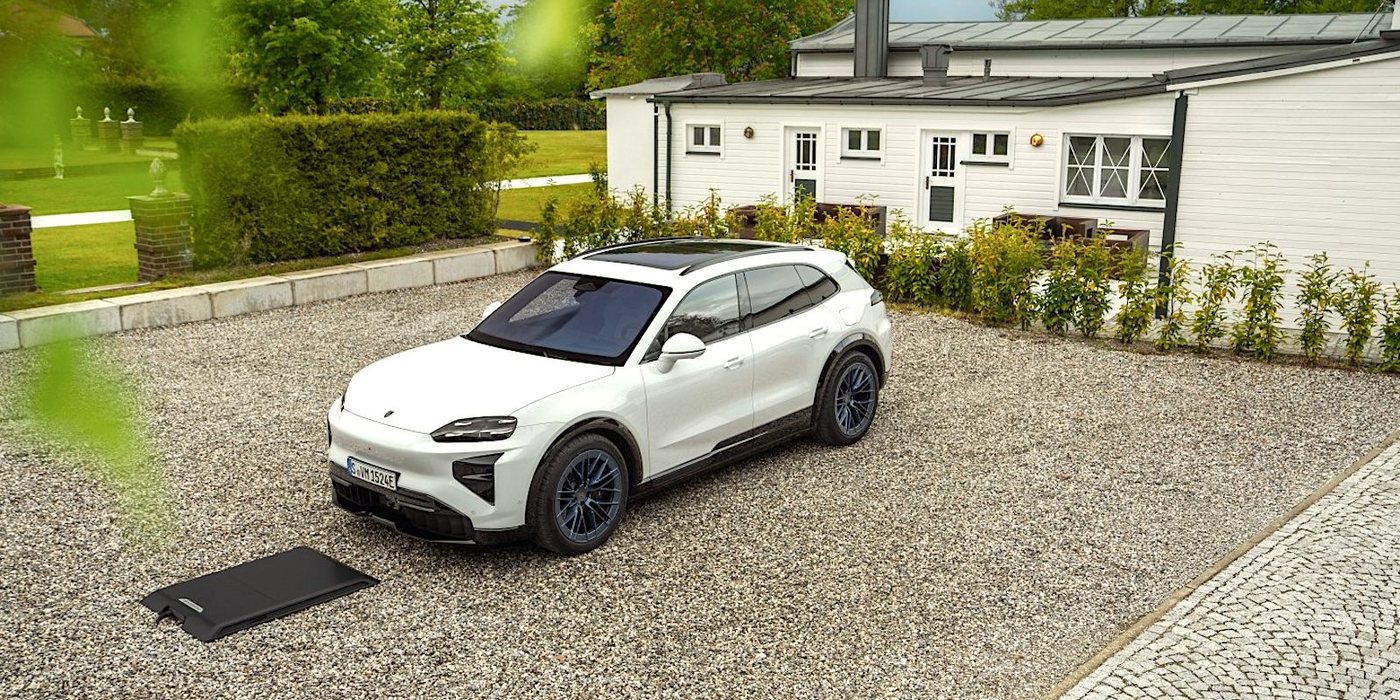
Porsche is bringing wireless inductive charging to series production for the first time, offering the technology on its Cayenne Electric SUV. The automaker disclosed the feature inside a press release titled «Even more colours and even greater convenience for the Cayenne Electric,» where the charging news sat alongside updates on paint options and everyday usability.
The move makes Porsche one of the first established performance brands to put inductive charging into a production vehicle rather than a concept or limited demonstration. Instead of plugging a cable into the SUV, drivers park over a charging pad and the vehicle draws power through an electromagnetic field. Porsche has not yet detailed pricing, availability by market, or the charging speed the system will deliver.
The Cayenne Electric is the model Porsche has positioned as its high-performance electric SUV, and wireless charging fits the brand's broader effort to make electric ownership feel as frictionless as filling a tank. The announcement arrived with little fanfare, buried in a release otherwise devoted to expanded color choices and convenience features, which suggests Porsche sees inductive charging as one more option in a growing electric lineup rather than a standalone headline.
Wireless charging has been discussed across the auto industry for years, but production rollouts have been rare because of cost, efficiency losses, and the need for precise alignment between the vehicle and the pad. Porsche's decision to offer it on a production SUV signals that at least some of those barriers are being treated as manageable at the premium end of the market.
For drivers, the appeal is straightforward: no cable to handle, no connector to plug in, and no need to think about charging as a separate task at the end of a trip. The vehicle simply parks in the right spot and begins taking on energy. That convenience matters most for owners who charge at home overnight and want the routine to be as automatic as possible.
The Cayenne Electric itself is central to Porsche's electric strategy. The SUV carries significant power and is aimed at buyers who expect performance alongside practicality. Adding inductive charging to that package keeps the Cayenne Electric competitive with other premium electric SUVs that are competing on technology and ease of use as much as on horsepower and range.
Porsche's announcement also reflects a wider pattern in the electric vehicle market, where automakers are looking beyond raw battery capacity to the details of daily ownership. Charging speed, home installation, and the simplicity of the charging routine have become selling points in their own right, particularly for luxury buyers who are used to a certain level of convenience.
The company has not said whether the wireless charging hardware will be standard or optional on the Cayenne Electric, nor whether it will expand the feature to other models in its electric range. Those details are likely to matter to buyers weighing whether the technology is worth the cost, since inductive systems typically require a home pad installation in addition to the vehicle-side equipment.
What is clear is that Porsche has moved inductive charging from the realm of demonstration projects into a production offering. The Cayenne Electric will carry the feature first, and the quiet way it was announced suggests the company views it as a natural part of the electric SUV's convenience package rather than a novelty. For a brand known for engineering, the shift is a notable step toward making electric charging disappear into the background of everyday driving.