
Colorado Voters to Decide on Constitutional Hunting and Fishing Rights
Colorado voters will decide in 2026 whether hunting and fishing should become constitutionally protected rights under Amendment 83, a measure that needs 55% approval and would make the state the 25th to enshrine such protections.
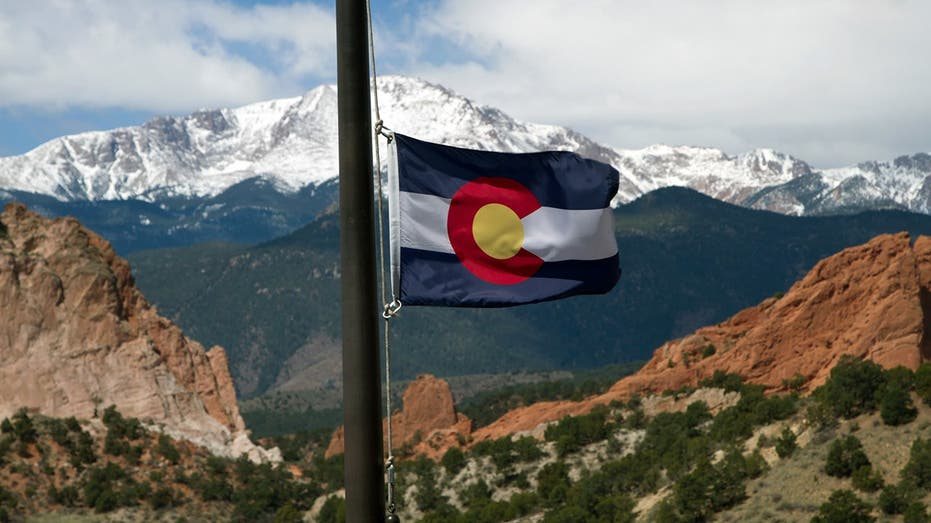
Colorado voters will decide in November 2026 whether hunting and fishing should become constitutionally protected rights, a measure that supporters say would shield outdoor traditions from shifting political winds and opponents argue is unnecessary because both activities are already legal.
Amendment 83 would establish hunting and fishing as constitutional rights in Colorado and designate them as the preferred methods for responsibly managing wildlife populations. The measure requires at least 55% of the vote to pass. If approved, Colorado would join 24 other states that have already adopted similar constitutional protections.
The campaign behind the amendment is led by the International Order of T. Roosevelt, a group focused on preserving hunting and fishing traditions nationwide. Luke Hilgemann, the organization's CEO and chairman of the supporting campaign, said the goal is to prevent future lawmakers from easily reversing existing protections.
«Well, it's legal, but that doesn't mean that it's forever protected, right?» Hilgemann said. «The biggest thing that the Constitution does is it gives it a higher power than just a statute.»
A statute can be changed by a simple legislative vote, while altering a constitutional right requires a much more demanding process. Hilgemann pointed to a recent legislative proposal that would have changed the word «shall» to «may» in an existing state law describing hunting and fishing as wildlife-management tools. He said such changes could gradually erode opportunities for hunters and anglers.
The amendment would not eliminate existing regulations. Hunting seasons, bag limits, licensing requirements and other rules would remain in place. Colorado Parks and Wildlife would continue to oversee wildlife management and enforce laws designed to protect wildlife, public safety and future hunting and fishing opportunities.
«Seasons stay, regulations stay. We want responsible management through science,» Hilgemann said.
The measure would not permit hunting of endangered species or other wildlife currently off-limits, nor would it allow trespassing on private property. Hilgemann also dismissed concerns that the amendment could revive banned practices such as certain forms of bear hunting and trapping.
«That's not going to happen as a result of our amendment,» he said. «It doesn't go backwards. It doesn't bring those things back.»
Colorado's official ballot analysis notes that the amendment would not immediately change existing hunting and fishing regulations, though it could affect future laws depending on how courts interpret the new constitutional right. Opponents argue the amendment is unnecessary because hunting and fishing are already legal, and they worry its language could lead to lawsuits or make it harder to adjust wildlife regulations in the future.
Hilgemann said that is precisely why stronger protections are needed. He noted that the organization was already working to establish constitutional hunting and fishing protections in 15 other states when a private citizen began the process of getting Amendment 83 on Colorado's ballot. The group was then brought in to help develop the amendment's language.
«We thought, you know, Colorado maybe in two or four years,» Hilgemann said. But with the state's population and attitudes toward outdoor recreation changing, he believes now is the time to act. «If we don't do this now, unfortunately, I don't think it's ever going to happen in a state like Colorado,» he said.
Beyond recreation, Hilgemann pointed to a recent study from the Common Sense Institute that found hunting and fishing generate $6.1 billion in annual economic impact and support 25,000 jobs in Colorado. Money from licenses and excise taxes also helps fund wildlife conservation, habitat restoration and other outdoor resources that benefit all residents, including those who never hunt or fish.
«If we don't have hunting and fishing in a state like Colorado, someone needs to step up and pay for the conservation that happens,» Hilgemann said.
Colorado has seen fierce debates over wildlife management in recent years. In 2020, voters approved a measure requiring the state to reintroduce gray wolves. In 2024, voters rejected a proposal that would have banned hunting mountain lions, bobcats and lynx. Those votes illustrate how wildlife policy in the state can be shaped directly by voters, not just by wildlife officials.
The amendment's fate will now rest with Colorado voters, who will weigh whether constitutional protection is the right way to preserve the state's hunting and fishing heritage for future generations.
7