Canada walks away from tariff talks and prepares dollar-for-dollar retaliation against U.S.
Prime Minister Mark Carney announced Canada will retaliate against new U.S. tariffs, risking economic pain rather than yielding to pressure from Washington.
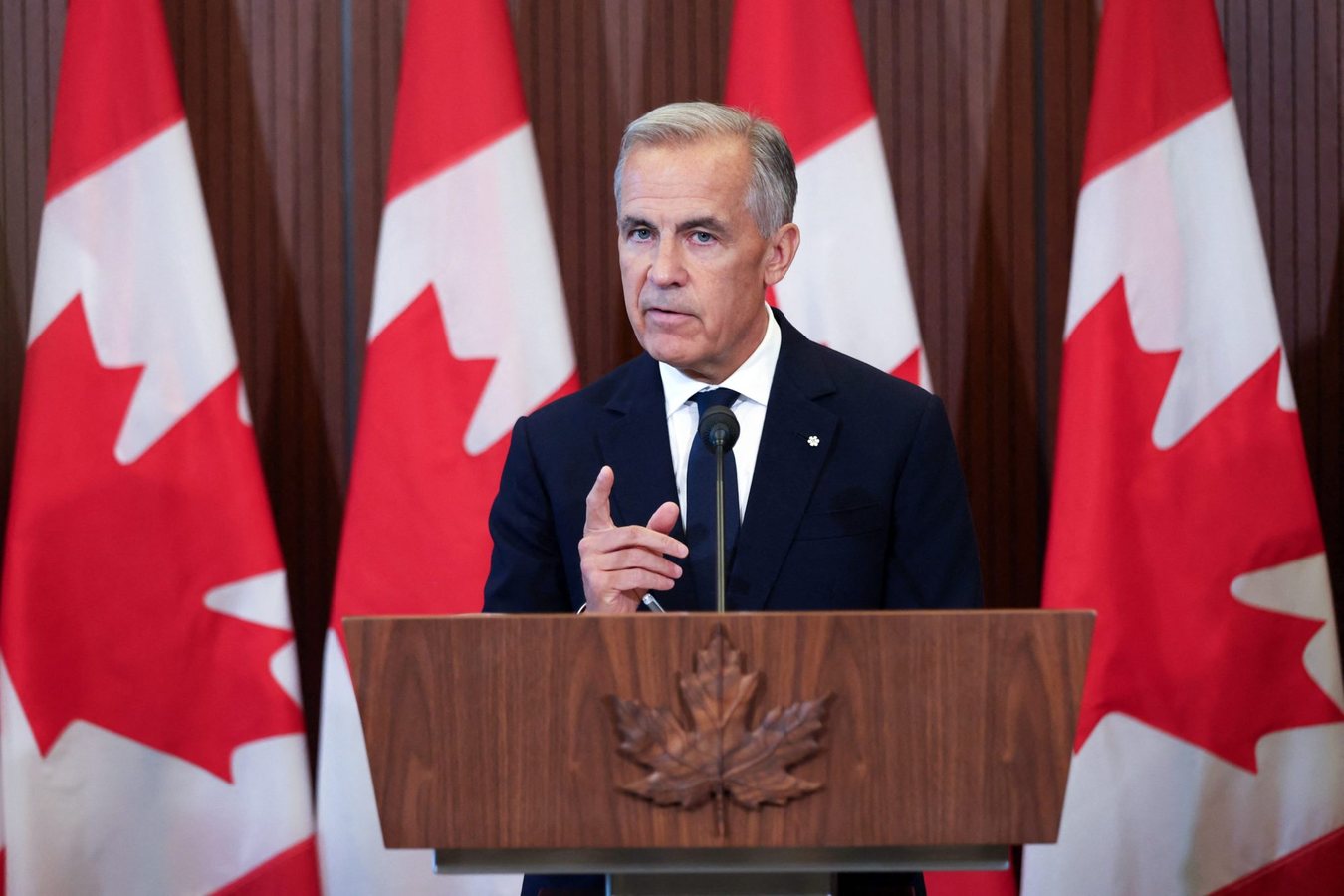
Prime Minister Mark Carney is putting his long-stated argument about middle powers into practice, announcing that Canada will retaliate dollar-for-dollar against new U.S. tariffs rather than accept conditions he says would compromise Canadian sovereignty. The decision came after Canada walked away from negotiations late Friday, with Carney concluding the United States was demanding too much in exchange for tariff relief.
The United States imposed 50% duties Saturday on about $20 billion worth of Canadian goods. Carney responded by announcing matching retaliation set to begin Sept. 8. «We're going to hit back,» he said. The move makes Canada an outlier among U.S. allies, many of which have so far chosen to negotiate or suspend countermeasures rather than risk economic damage.
The breakdown in talks centered on more than tariffs. Carney said Washington introduced language in the final hours that would have restricted Canada's ability to strike trade deals with other countries. He called the demand «unacceptable» and framed it as «a question of sovereignty.» British Columbia Premier David Eby said accepting such a condition would have reduced Canada «to the economic equivalent of the 51st state,» a status President Donald Trump has repeatedly mused about.
The confrontation is the clearest test yet of the argument Carney made in January at the World Economic Forum in Davos, Switzerland. As Europe braced for Trump's threats over Greenland and new tariffs, Carney said the international order was undergoing «a rupture, not a transition.» He argued that sovereignty would depend increasingly on a country's ability to «withstand pressure» and warned that middle powers negotiating alone with great powers do so from weakness.
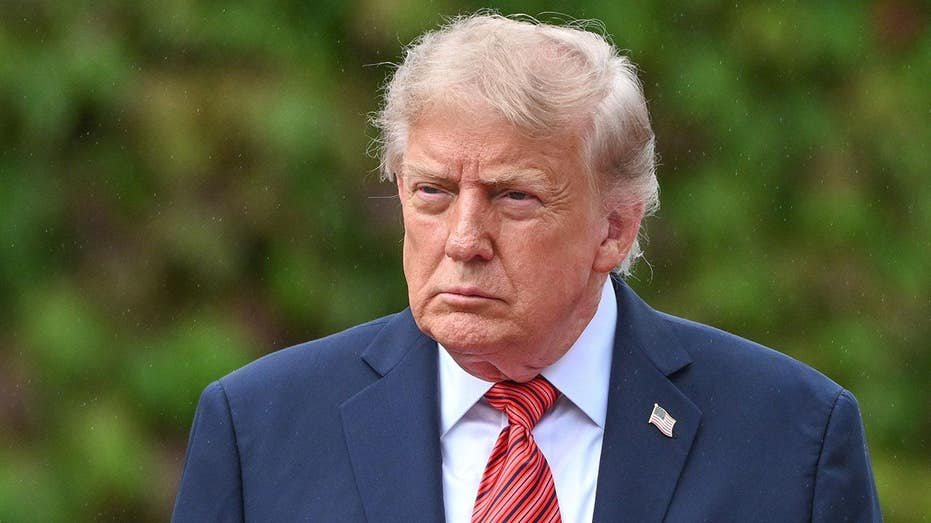
Trump responded a day later by stressing Canada's dependence on the United States. «Canada lives because of the United States,» he said. «Remember that, Mark, the next time you make your statements.» On Sunday, Trump returned to the theme on Truth Social, writing that «Canada wants the benefits of being a State, without being one!!!» and accusing Canada of charging U.S. farmers «massive amounts» of tariffs for years. «No more!!!» he wrote.
Canada's exposure to U.S. pressure is unique among American allies. Nearly three-quarters of Canadian goods exports go to the United States, whose economy is roughly 10 times larger. Historian Robert Bothwell said no country is more exposed than Canada. «Other countries have to fear American misbehavior, but none as much as Canada,» he said. Bothwell said success ultimately means Canada retaining its independence «in the face of Trump's desire to subordinate it and absorb it,» adding that Carney «sees that very well.»
Carney acknowledged that retaliation would «raise costs and reduce choice for Canadians.» Canada can sign new trade agreements, but replacing customers and supply chains built around the enormous U.S. market over decades is considerably harder. U.S. Trade Representative Jamieson Greer rejected Canada's account of the breakdown, saying Ottawa introduced new demands and backed away from commitments even after Washington offered to reduce tariffs on steel, autos, lumber and other goods. He said the United States was moving ahead with additional measures in response to Canada's retaliation, raising the prospect of further escalation.
The European Union prepared retaliatory tariffs against the United States last year but repeatedly suspended them while negotiating with Washington. Nelson Wiseman, a professor emeritus of political science at the University of Toronto, said Canada is providing the biggest test yet of whether Carney's strategy can work and whether resistance by one middle power could change the calculations of others. «Will there be a domino effect? We'll see,» Wiseman said.
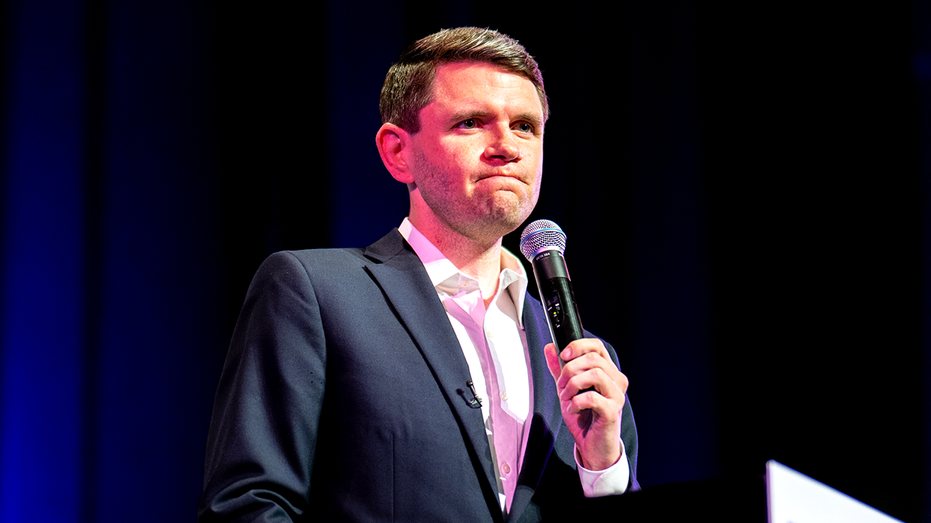
Ian Bremmer, president of the Eurasia Group, said Americans underestimate how angry Canadians are with the Trump administration. «Taking a hard line in response to U.S. policy perceived as predatory — even with major economic cost to Canada — is popular among most Canadians,» he said in a social media post. Manitoba Premier Wab Kinew said Canadians should be prepared for a prolonged confrontation and that Trump could emerge weaker after the U.S. midterm elections in November. «He's got two more years left in office. We should be prepared to duke it out for two years, and then hopefully, sanity will return,» Kinew said.
58