Jury Selection Drags in Faith Hedgepeth Murder Trial as Alternate Seats Remain Unfilled
Attorneys in the trial of Miguel Salguero Olivares, accused of killing UNC student Faith Hedgepeth, are struggling to fill alternate juror seats after dismissing several more candidates.
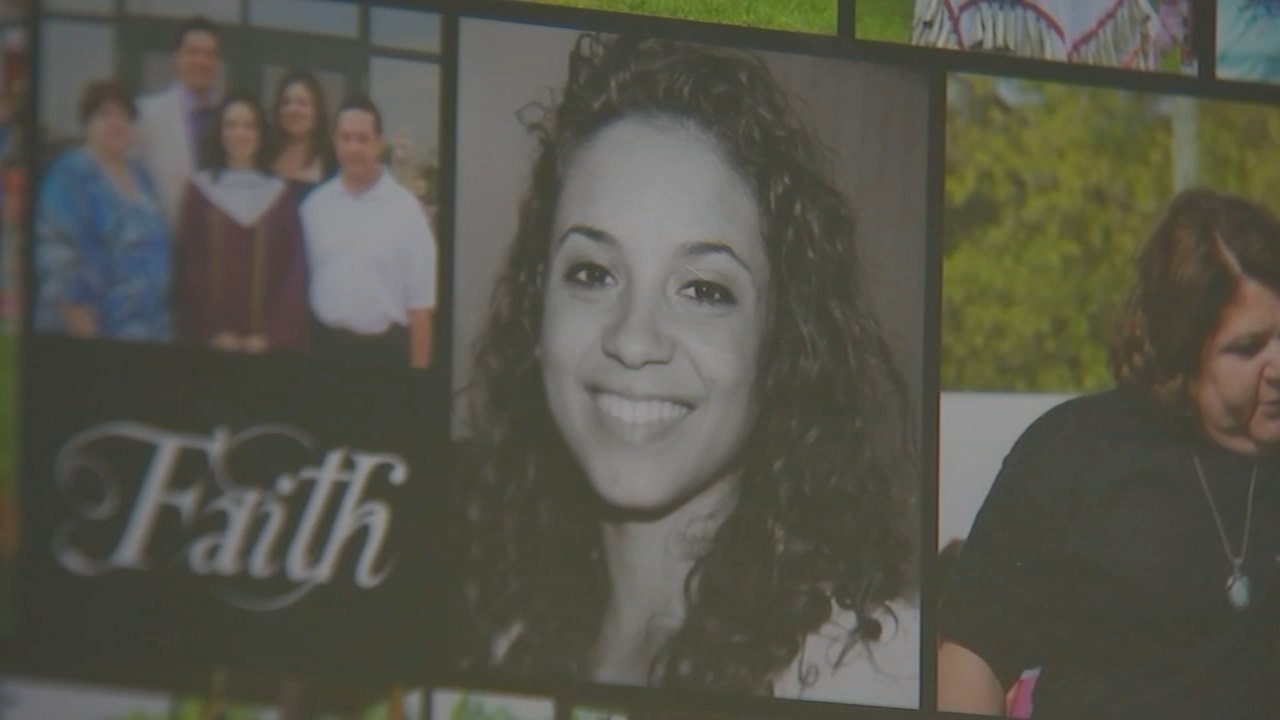
Jury selection in the long-awaited murder trial of Miguel Salguero Olivares, the man accused of killing University of North Carolina student Faith Hedgepeth, is stretching into a second week as prosecutors and defense attorneys work to fill the remaining alternate juror seats.
Several more potential jurors were dismissed Tuesday morning as both sides continued questioning prospective alternates, according to court proceedings. The delays underscore the difficulty of assembling a full panel in a case that has drawn intense public attention since Hedgepeth's death more than a decade ago.
The main jury was seated after eight days of questioning, but the court has not yet finalized the alternate jurors who would step in if a regular juror is unable to continue. Attorneys for the state and the defense have been vetting candidates on their ability to weigh the evidence fairly, their familiarity with the case, and any personal circumstances that might affect their service.
Hedgepeth, a UNC-Chapel Hill student, was found dead in her off-campus apartment in 2012. Her killing remained unsolved for years, generating widespread interest and periodic bursts of speculation online. Salguero Olivares was later charged in connection with her death and has been awaiting trial.
The case has returned to the national spotlight as jury selection proceeds, with the search term «faith hedgepeth» ranking among the most-searched topics in the United States. The renewed attention reflects both the length of the investigation and the emotional weight the case carries for the Chapel Hill community and Hedgepeth's family.
Court observers note that seating alternates can be particularly challenging in high-profile trials, where many potential jurors arrive with prior knowledge of the case from news coverage or social media. Attorneys on both sides must determine whether that exposure has hardened into a fixed opinion that would prevent an impartial verdict.
The trial itself is expected to draw sustained coverage once opening statements begin. For now, the focus remains on the slow, methodical process of completing the jury box — a step that must be finished before testimony can start.
No timeline has been announced for when the alternate seats will be filled or when the trial will move to its next phase. The court is expected to continue questioning candidates until a full panel is in place.
7