Designer warns AI-generated prototypes are flooding product teams with unvetted work
A UX designer describes how AI tools let product managers and developers bypass design workflows, producing polished-looking but flawed interfaces that designers must now clean up.

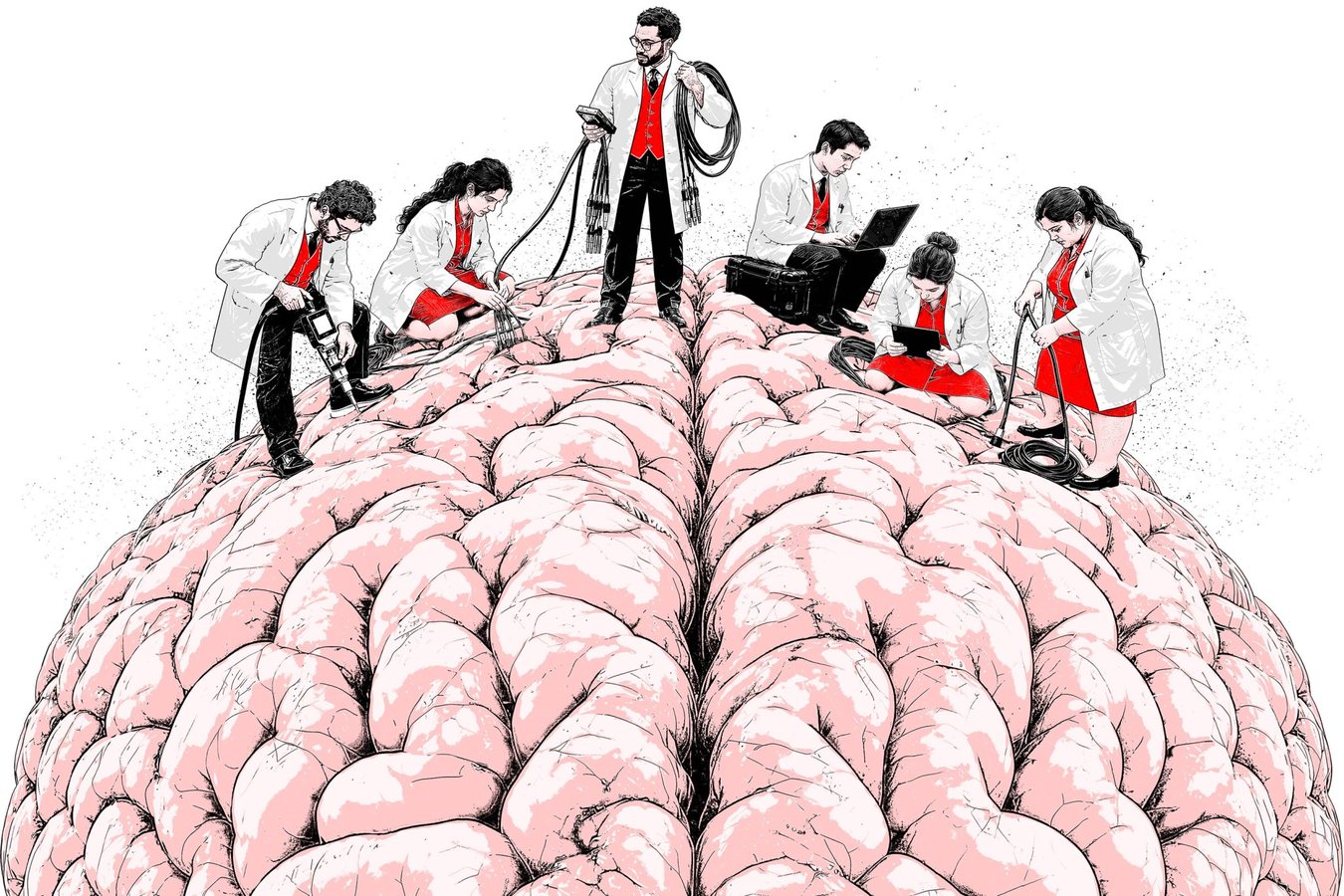
A veteran UX designer is warning that AI tools are reshaping product design in ways that leave professional designers struggling to keep control of their work. Drawing on a talk given at a University of London human-computer interaction conference, the writer argues that the arrival of AI-generated interfaces has turned a once-predictable workflow into a series of unexpected problems.
The central scenario is one that many designers may recognize. A product manager, having used a coding assistant such as Claude Code, turns ideas from a product backlog into working user interfaces with only a few prompts. Instead of waiting for a designer to produce mockups in a design tool like Figma, the manager shares the results directly during a team call or takes them to senior leadership, who may respond enthusiastically. The writer notes that the prototype can then be treated as nearly finished, with pressure to ship it before the design has been reviewed.
The writer describes a parallel problem on the engineering side. In one example, a development team instructed to use only AI-assisted code feeds a designer's Figma files into an AI tool without linking them to a design system library or building reusable components. The result looks acceptable at a glance but, according to the writer, fails basic usability checks such as keyboard focus states. The development team and the business reportedly consider the project a success because it took three days rather than the usual three months, while the designer is left to identify the flaws.
The writer frames this as a challenge to the role of UX professionals. Citing industry figures, including reported usage rates of 84 percent among developers for AI coding tools, the article says product managers are increasingly doing work once handled by UX researchers and designers because the tools make it easy. The writer argues that designers have been slower to adopt AI, partly because early design tools were judged too weak for anything beyond ideation and because perfectionism discouraged experimentation.
The piece also describes designers feeling pressure to adapt by using AI themselves, sometimes producing their own generated work to keep pace. Its broader message is that the profession must now focus on oversight, quality control and the human judgment that AI tools still lack, rather than competing on speed alone. The writer presents the shift as a difficult but necessary change for anyone whose job depends on how software looks and works for real users.
Source: uxdesign.cc
6