Sudan’s War Is Moving, but the Emergency Is Not Easing
Fighting and hunger are concentrating around Kordofan even as some displaced families return elsewhere, leaving aid systems under extreme strain.
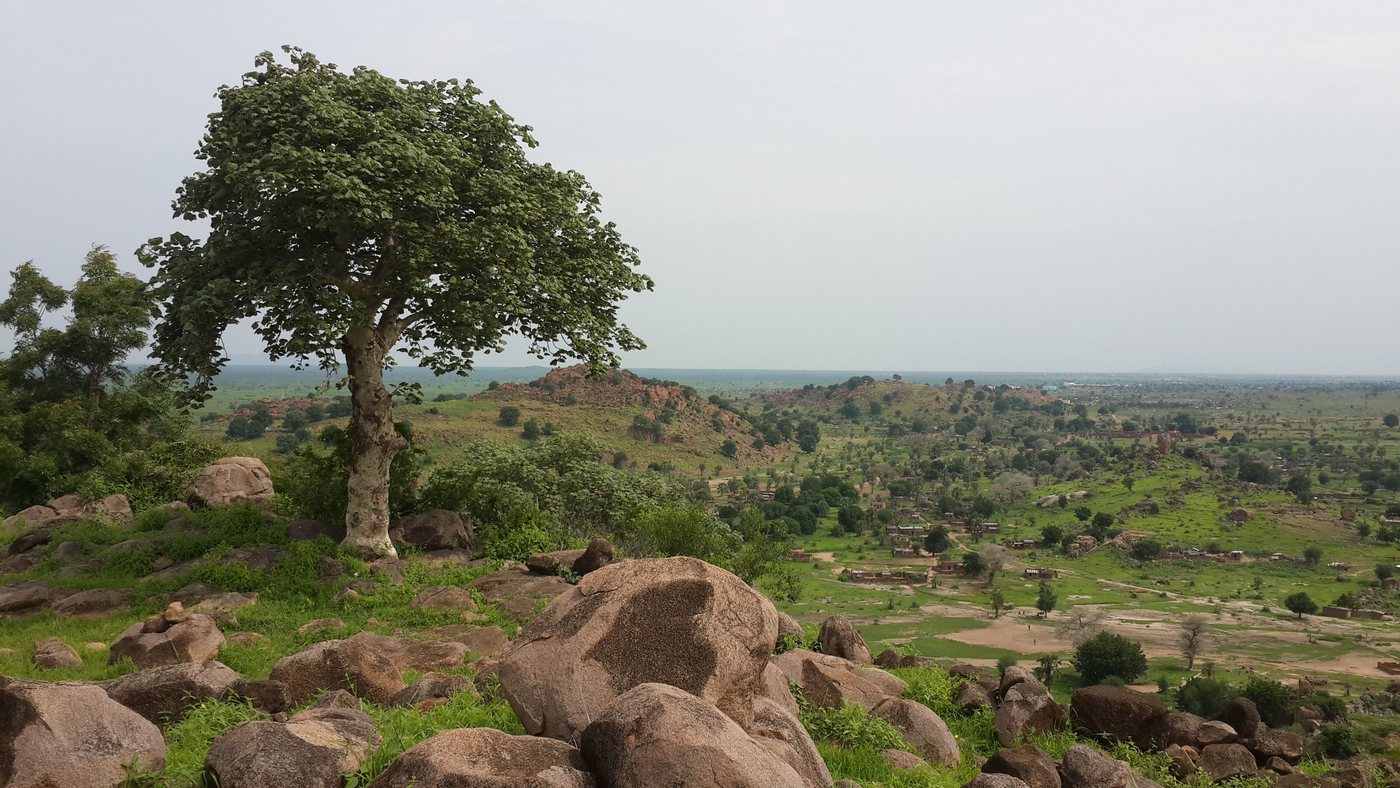
Sudan’s humanitarian map is changing faster than the crisis is shrinking. By late summer 2026, returns to parts of the country where fighting had receded were reducing some measures of internal displacement. At the same time, fighting, drone strikes and humanitarian access problems were intensifying around Kordofan, especially the corridor that includes El Obeid, Dilling and Kadugli.
That distinction matters because falling displacement figures can look like improvement when they are partly a sign of people moving back into damaged communities. IOM estimated 8.62 million internally displaced people in July and nearly 4.93 million returnees. Its IDP total was about 26 percent below the peak, while returns rose about 5 percent from the previous month. More than half of those still displaced were children. UNHCR, using a narrower measure for conflict-linked internal displacement and separately counting people outside Sudan, recorded more than 11.29 million forcibly displaced people overall by August 24.
The scale of need remains larger still. UNICEF estimates 33.7 million people need humanitarian assistance in Sudan, including 17.3 million children. Food is one of the sharpest pressure points. Around 19.5 million people faced acute food insecurity at Crisis level or worse, and the number in Catastrophe conditions was projected to reach as many as 200,000 during the June-to-September lean season. Famine risk was identified in 14 areas through September, with 13 expected to remain at risk into the post-harvest period.
Kordofan now shows how violence can turn those national statistics into immediate danger. On August 30, an aerial attack outside Dilling in South Kordofan struck two clearly marked World Food Programme trucks headed toward Kadugli. More than 50 metric tons of food were destroyed — enough to assist 5,800 people for a month. WFP said it had recorded eight aerial attacks this year that damaged its premises or disrupted operations.
Children are absorbing the consequences from several directions at once. UNICEF reported at least 330 children killed or injured nationwide in the first six months of 2026, with Darfur and Kordofan recording the highest levels. In North Kordofan, more than 35 child casualties were reported from May into early July, and drones accounted for about 60 percent of those cases. By July 28, UNICEF said at least 23 children had been killed and 25 injured in the area over roughly two months of intensified fighting around El Obeid.
Health care offers little margin for another escalation. The World Health Organization said in April that 37 percent of Sudan’s health facilities were not functioning and about 21 million people lacked needed health services. WHO had verified 217 attacks on health care since the war began in April 2023, associated with 2,052 deaths and 810 injuries. Disease outbreaks have followed damaged water systems, crowding and interrupted care; a cholera vaccination campaign launched in early September aimed to reach about 928,000 people in parts of Darfur and West Kordofan.
Aid agencies are still operating at significant scale. WFP says it reaches more than four million people a month, while UNICEF in July supported health services for 214,700 people and screened 1.43 million children for acute malnutrition. But the financing gap remains severe. UNICEF had raised $352.2 million of a $962.9 million appeal by July 31, leaving 63 percent unfunded.
The next test is whether humanitarian access can expand as the military front shifts. If roads to Kordofan remain vulnerable, if marked aid vehicles continue to be hit, and if funding fails to keep pace, Sudan can show improving numbers in one region while another slides deeper into hunger and displacement. That is why the late-summer picture is not recovery. It is a redistribution of risk.
84