Tractor Supply Q3 2026 Slides Show Sales Recovery as Margins Face Pressure
Tractor Supply's third-quarter 2026 investor presentation points to a rebound in sales alongside pressure on profit margins, offering a mixed picture of consumer demand and cost challenges for the rural lifestyle retailer.
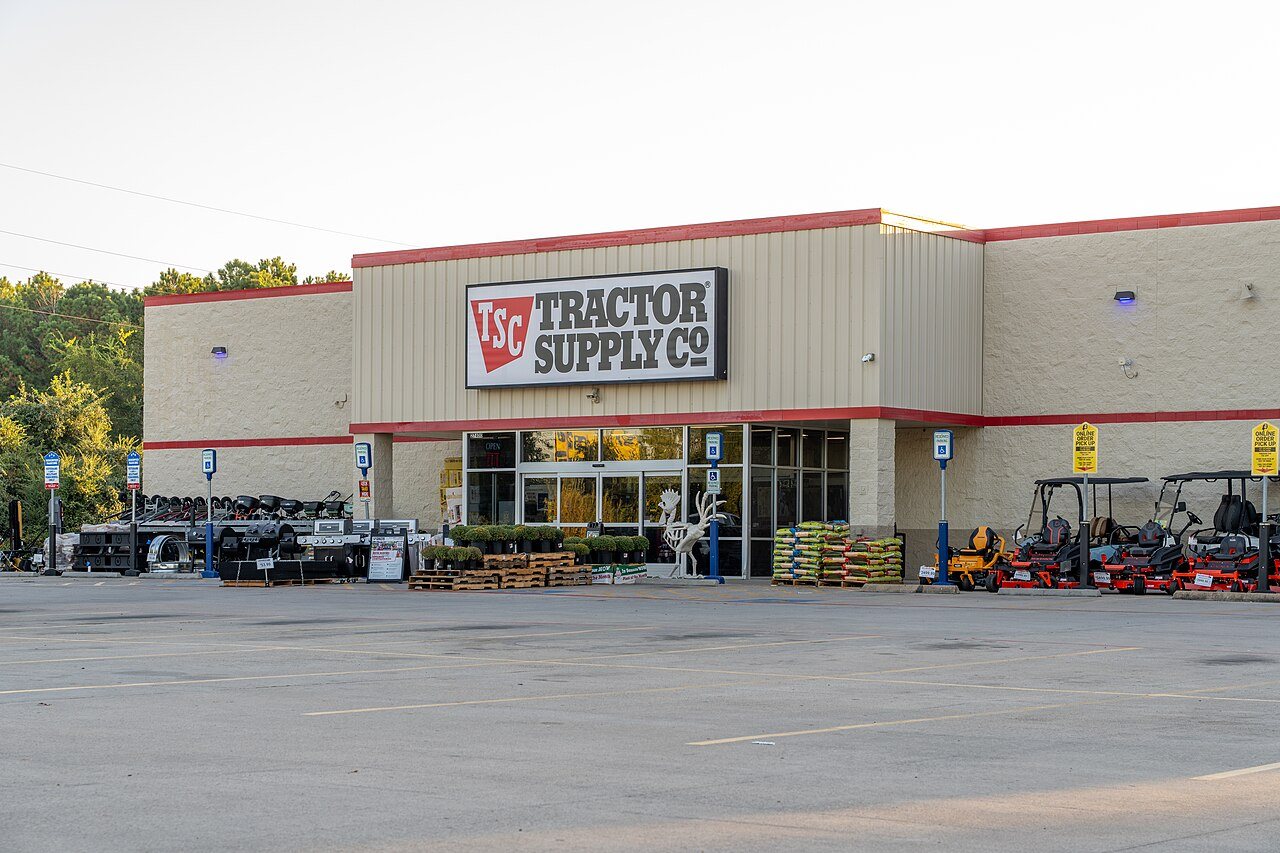
Tractor Supply's third-quarter 2026 investor slides show the rural lifestyle retailer recovering sales momentum while contending with pressure on its profit margins, a combination that captures the uneven state of consumer demand for discretionary and everyday goods.
The presentation, released as part of the company's quarterly reporting, indicates that sales trends have improved compared with earlier periods, suggesting shoppers are returning to stores and digital channels. At the same time, the margin picture remains strained, a dynamic that can weigh on earnings even when revenue is moving in the right direction.
For Tractor Supply, which serves farmers, ranchers, hobbyists, and suburban homeowners, the sales recovery is a closely watched signal about household spending outside major metropolitan areas. The company's core categories — including livestock supplies, tools, hardware, and seasonal outdoor products — tend to track rural economic conditions and weather patterns as much as broader retail trends.
The margin pressure highlighted in the slides reflects a familiar challenge for retailers in the current environment: keeping prices competitive while managing the cost of goods, transportation, and store operations. When sales recover but margins do not keep pace, the result is often a mixed message for investors weighing top-line growth against bottom-line profitability.
The quarterly materials are typically used by management to walk investors through performance drivers, category trends, and the company's outlook. In this case, the slides frame the period as one of transition, with sales stabilization as the headline and profitability as the open question.
Tractor Supply has built its business on a distinctive model: smaller-format stores located close to the communities it serves, a merchandise mix that blends necessity and discretionary items, and a loyalty program that drives repeat visits. That model has historically given the company resilience during downturns, but it does not insulate it from cost inflation or shifts in consumer behavior.
The sales recovery suggested by the slides may indicate that customers are once again investing in projects and property maintenance after a period of caution. Seasonal demand, particularly for spring and summer outdoor categories, often plays an outsized role in the company's results, and the third quarter typically sets the stage for the critical holiday and year-end period.
Margin pressure, meanwhile, can stem from a range of factors, including promotional activity, higher supply chain costs, and changes in product mix. Retailers frequently face a trade-off between protecting volume through pricing and preserving profitability, and the balance can shift quickly depending on competitive dynamics.
Investors and analysts will likely focus on whether the sales improvement is durable and whether margin trends are stabilizing or deteriorating. The slides provide a snapshot rather than a full forecast, but they establish the central tension of the quarter: demand is improving, yet the cost of capturing that demand is not falling.
For the broader retail sector, Tractor Supply's results offer a useful read on the health of rural and exurban consumers, a group whose spending patterns are often overlooked in national data. A recovery in sales at the chain can signal renewed confidence among homeowners and small-scale agricultural operators, while margin pressure suggests that businesses remain cautious about the road ahead.
The company's next steps — including pricing decisions, inventory management, and cost controls — will determine whether the sales recovery translates into stronger earnings or remains a partial victory. For now, the third-quarter slides present a retailer moving in the right direction on revenue while still working to solve the profitability puzzle.
9