Mrs. Dow Jones Says Homeownership Should Be a Lifestyle Choice, Not a Financial Milestone
Haley Sacks, the personal finance creator known as Mrs. Dow Jones, says she is a millionaire who proudly rents and argues that buying a home should be a lifestyle decision rather than a measure of financial success, as housing costs outpace incomes for younger Americans.
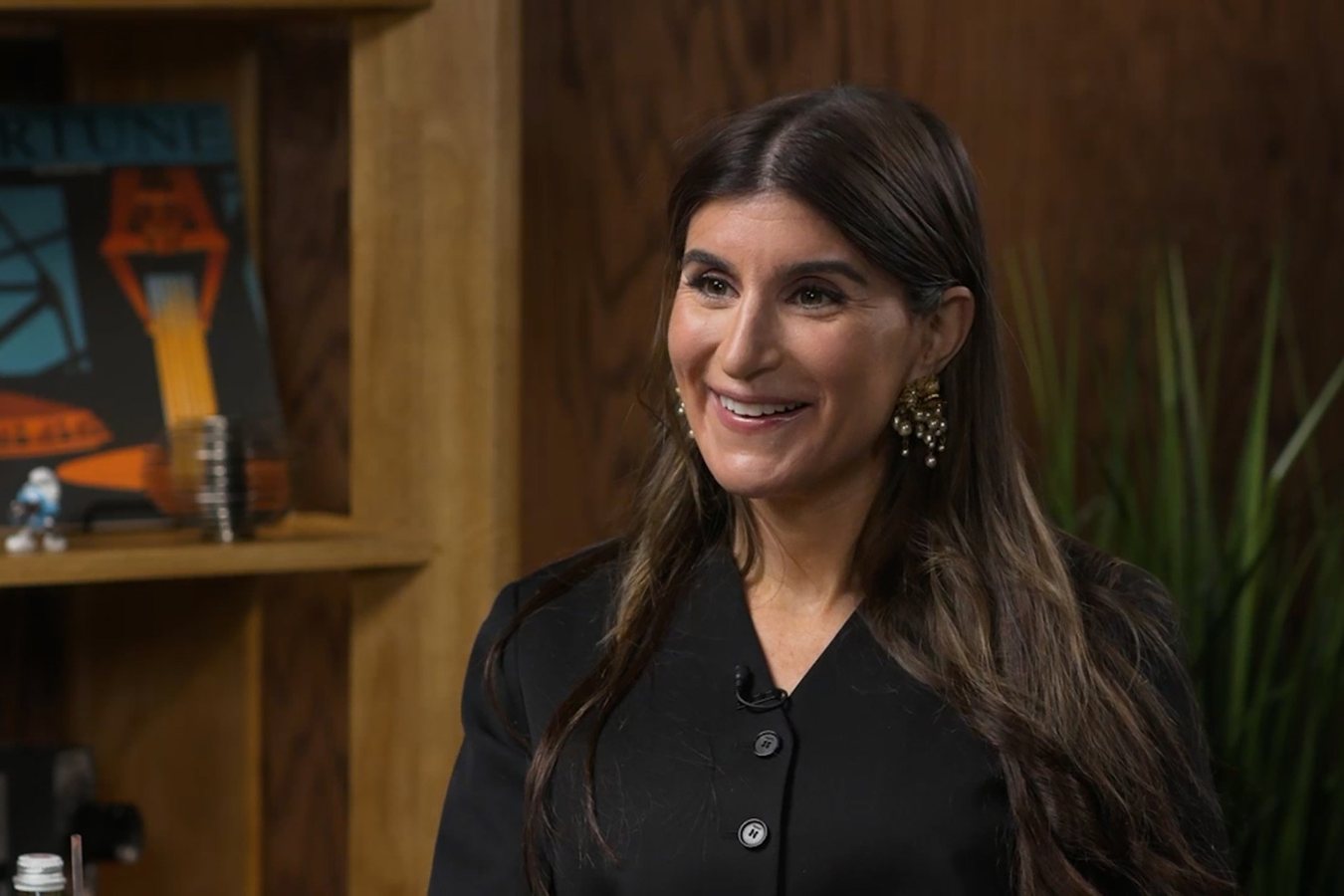
Haley Sacks, the personal finance creator known to more than 2 million followers as Mrs. Dow Jones, says she is a millionaire who proudly rents — and she wants younger Americans to stop treating homeownership as the ultimate proof of financial adulthood.
In an interview with Fortune, Sacks said she would like to own a house outside New York City once she has a family, complete with the paint colors and door handles she chooses herself. But she expects that dream to be expensive, and she argues that buying property should be framed as a lifestyle choice rather than an investment or a rite of passage.
«I would only buy as a lifestyle choice, never as an investment choice,» Sacks said. She explained that the money she would put toward a down payment is better used as a nest egg invested in the stock market, though she acknowledged that people need to run the numbers on local housing costs depending on where they live.
Sacks said she does not necessarily view a house as an asset because making a home personal — from paint colors to the handles on every door — requires pouring in more money than the sale price alone. «I know that it's going to be a money trap,» she said.
Her argument lands against a backdrop of housing costs that have pulled well ahead of incomes. Between 2019 and 2024, the median U.S. home value rose 30% after inflation, while median income for households headed by someone under 40 grew just 9% in inflation-adjusted terms, according to Pew Research Center. By September 2026, Zillow data showed a household needed to earn about $121,500 a year to afford a typical home, assuming a 10% down payment and a 30-year fixed mortgage, compared with roughly $77,300 for a typical rental.
That gap has forced many young adults to adapt, buying fixer-uppers, stitching together multiple income streams, and even delaying marriage and children to make the American Dream work on different terms. «They're not just postponing life markers,» Susan Wachter, a professor of real estate and finance at the University of Pennsylvania's Wharton School, previously told Fortune. «They're also taking a different path.»
Sacks, author of «Future Rich Person,» acknowledged that her own path to building a business included family support. After losing her job in 2018, she did freelance writing through media connections and paid rent with help from her parents. «I never want to, you know, not talk about that stuff because it's so important,» she said.
She also drew a distinction between choosing to rent as a millionaire and renting because buying is out of reach — a difference she said matters when discussing whether homeownership should define financial success.
Sacks worries about what happens when people feel the life they want is slipping away. She criticized prediction markets, which have drawn younger people looking to build wealth, as marketing that makes participation sound like sophisticated investing. «With the American dream really changing, people are so desperate for a way to make money and to advance themselves,» she said. Easy access on a phone can make a life-changing payout feel immediate and «addictive,» she argued. «It makes you want to impulsively just put money into it because you want to change your situation so badly that you're going to go for it.»
Research has pointed in a similar direction. A paper by researchers at Northwestern University and the University of Chicago suggested that when homeownership feels unattainable, some households may turn to risky investments such as cryptocurrencies as a last resort to build wealth.
For Sacks, the answer is to question whether owning a home should define financial success at all. «We all still have this idea in our head that when we own a home, that's when we're going to be an adult,» she said. «But we have to rethink that because many of us are never going to own a home.»
Her own American Dream still includes a house outside the city — but on her terms. «If that's what's going to make me happy and I have my investments in a good place, then maybe I'll do it.»
7