
Trump Administration Delays Citgo Sale to Elliott Management as Venezuela Talks Continue
The Treasury Department has extended Citgo's protection from a court-ordered sale to Elliott Management six times since January, leaving the fate of the Houston refiner and its Venezuelan parent company in limbo as the Trump administration weighs geopolitical leverage against a $9 billion creditor payout.
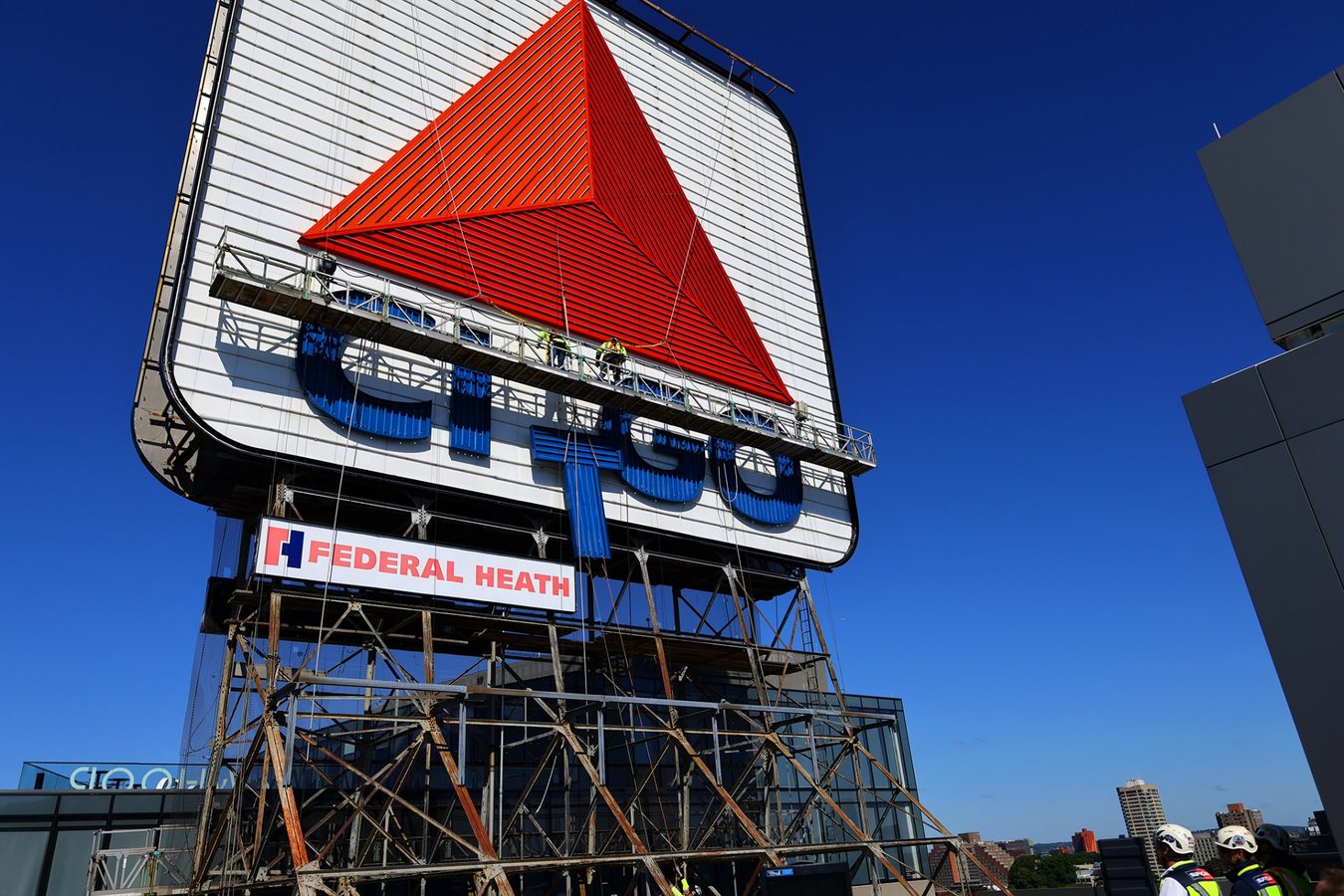
The Trump administration is holding up a court-ordered sale of Citgo Petroleum to Elliott Management, the activist hedge fund founded by Republican megadonor Paul Singer, as the White House weighs the deal against its broader diplomatic strategy toward Venezuela. The Treasury Department has extended Citgo's protection from the sale six times since January, even though a Delaware federal judge approved the transaction in November 2025 and Energy Secretary Chris Wright initially praised it as «fantastic.»
The delay has raised questions about whether the $9 billion sale — which would transfer the Houston-based refiner and its three U.S. refineries to American ownership for the first time in nearly 40 years — could be undone by geopolitics. The court ruled that Citgo could be held liable for the debts of the Venezuelan government, and the sale was designed to pay off a small number of the country's numerous creditors. But a now U.S.-friendly interim Venezuelan government, led by Delcy Rodriguez, does not want to surrender Citgo, the crown jewel of its overseas assets.
«There's an open question now as to whether or not the Citgo sale is a requirement,» said Richard Nephew, a sanctions expert at Columbia University's Center on Global Energy Policy who helped broker sanctions negotiations during the Obama administration. Keeping Citgo's protection in place avoids disrupting ongoing cooperation between Washington and Caracas, according to Jose Ignacio Hernandez, a Harvard law professor and former special counsel for Venezuelan opposition leader Juan Guaidó.
The Trump administration's public policy toward Venezuela follows a three-step strategy outlined by Secretary of State Marco Rubio: stabilization, recovery and transition. «Any license authorizing the [Citgo] sale order will definitely disrupt these three phases,» Hernandez said. The standoff gives the White House a powerful bargaining chip in its dealings with Rodriguez, whose hold on power depends on support from the Trump administration. «What does Trump gain if he keeps the [Citgo] protection in place? He gets a bargaining chip that is very powerful, that says, 'Don't deviate from this path or you'll pay for it,'» said Jose Enrique Arrioja, senior director of policy at the Council of the Americas.
Meanwhile, Venezuela and its state-owned oil company, PDVSA, are fighting the sale in court. Attorneys representing the Venezuelan parties appealed Judge Leonard Stark's sale order, arguing that the court-appointed neutral adviser who designed the auction process and selected Elliott's winning bid was not neutral. The adviser hired outside consulting firms that had earned $170 million in fees from clients tied to Elliott, according to the appeal. Oral arguments are scheduled for October before the 3rd Circuit Court of Appeals.
But the appeals court has not ruled favorably to the Venezuelan parties in nearly a decade of attempts, and several legal analysts are skeptical about Venezuela's prospects. A denial would place the fate of Citgo, its refineries and its pipeline network solely in the hands of the Treasury Department's Office of Foreign Assets Control, which can grant a sale license and deprive Venezuela of its most valuable asset, or deny the license and allow Citgo to remain part of the nation's revitalization.
Citgo's dual status is visible outside its Houston headquarters, where a Venezuelan flag flies alongside the American flag. The company was founded 116 years ago in Oklahoma, and PDVSA purchased a 50% stake in 1986 and the remainder in 1990 to secure access to the U.S. market. In March, Rodriguez appointed Asdrúbal Chávez, cousin of former President Hugo Chávez, to lead Citgo's parent company despite his U.S. visa being revoked in 2018. OFAC recently issued a rule preventing any further leadership changes at Citgo and its parent companies.
«Now, the interest is trying to make sure Venezuelan oil is getting to market, and we get our cut, and that Delcy is in a position to do whatever we want,» Nephew said. The Chavista political apparatus that Rodriguez commands remains nearly intact, even as she navigates a delicate diplomatic moment as a de facto Trump proxy. For now, the fate of Citgo hangs in the balance, with the Trump administration able to use the refiner as leverage in its dealings with Caracas while the courts and Treasury decide what comes next.
4