Social Media Reshapes the Luxury Watch Market as Resale Value Hits $10.5 Billion
The secondary luxury watch market reached $10.5 billion in the first half of 2026, up 37.2% year over year, as Instagram and TikTok become the primary discovery channels for collectors under 50 and brands from Omega to Cartier respond to online communities.
The global market for pre-owned luxury watches reached $10.5 billion in the first half of 2026, a 37.2% increase from the same period a year earlier, according to research platform EveryWatch. The surge reflects a structural shift in how rare and collectible timepieces are discovered, evaluated, and sold, with social media platforms now serving as the primary gateway for a generation of buyers who came of age during the pandemic-era boom in meme stocks, cryptocurrency, and limited-edition product drops.
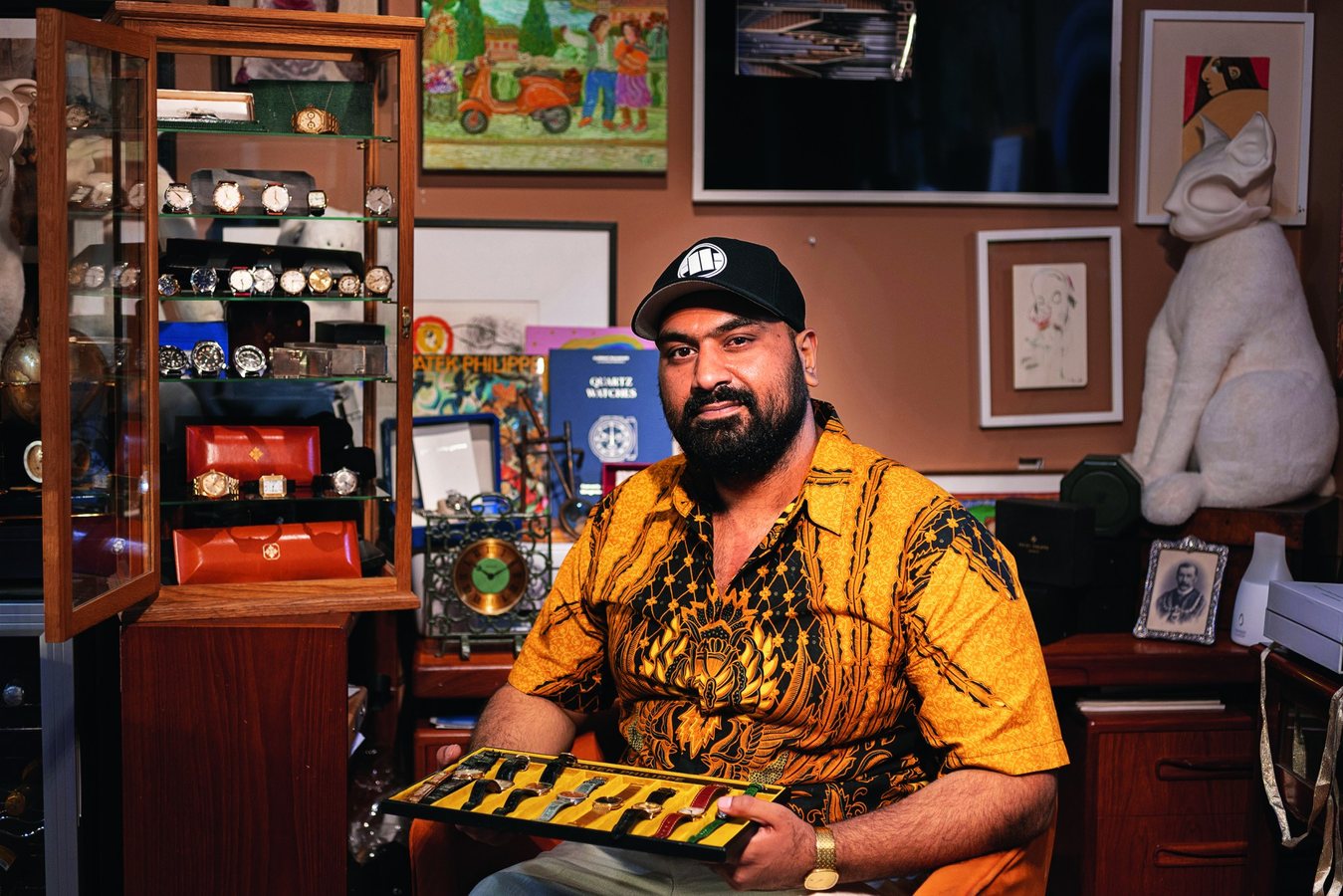
Dealers who once relied on physical storefronts and word-of-mouth networks say Instagram and TikTok have fundamentally altered the mechanics of the trade. Tom Collins, the 22-year-old owner of vintage watch dealer the Wrist Watcher Ltd., unveils rare pieces to 260,000 followers on his @TheWristWatcher1 account, dropping caches of treasures at 8 p.m. U.K. time on random evenings. His tiny counter at Grays Antique Market in London's Mayfair district now competes for attention with a global feed that never sleeps. Adam Golden of Menta Watches, a high-end dealer in downtown Miami, describes the phenomenon as an «I want that moment» — the instant a collector sees a watch appear on their screen and decides to buy. When Golden began his career in 2012, those lightning strikes largely happened in person. Today, he says, «you essentially can see every watch that was ever produced just by searching on social media.»
The transformation has deep roots in watch history. The modern men's wristwatch itself was born from a practical problem: Brazilian aviator Alberto Santos-Dumont needed to tell time without releasing the controls of his airship. His friend Louis Cartier, scion of the Cartier jewelry empire, proposed fastening a watch to the arm instead of keeping it in a pocket. Cartier debuted the square-faced Santos in 1911 and has produced versions ever since, ranging from svelte relics to a platinum-cased 90th anniversary edition with a salmon dial and indigo Breguet hands that fetched nearly $48,000 at Christie's last year. «Collectibility-wise, Cartier is probably one of the biggest brands that exists,» Collins says, «but there are so, so many variants, it's hard to pinpoint which is a collector's piece.»
Luxury watch brands long looked down on e-commerce, leaving the secondary market to take the crumbs and turn them into cake. Over the past decade, a few houses have noticed the trend and jumped in. One pivotal moment came in 2017, when Omega produced a limited-edition «Speedy Tuesday» watch as a tribute to online fans of its Speedmaster line. A community that grew out of a weekly column in the digital magazine Fratello Watches had created a social media ritual around the #SpeedyTuesday hashtag. «For those that don't get or believe that social media can have real impact,» says London editor-in-chief and watch enthusiast Paul Croughton, «that was one of the most prestigious watch brands on the planet being directly influenced by a bunch of watch nerds.»
Social media has since melted the line between dealer and influencer, collector and creator. On TikTok, the #WatchTok hashtag offers diamond dealers conducting on-the-street interviews, authenticators revealing results with the breathlessness of a television paternity drama, and influencers unboxing Tiffany-blue Daytonas and Seamaster Aqua Terras with gloved fingers. The tone can turn manic. The mostly male, mostly young consumers of this content came up during the pandemic days of speculative crypto investments and hypebeast product drops. That dynamic produced scenes like last spring's Audemars Piguet x Swatch Royal Pop launch, which generated headlines about global chaos and a stampede at a Long Island mall that required police pepper spray. For this crowd, watches are as much assets to flip as trophies to collect — a rational response, perhaps, in a K-shaped economy with an evaporating entry-level white-collar job market.
Even for dealers who maintain physical spaces, social media is a growing gateway for buyers under 50. The result is a market where an heirloom passed down through generations can find a new owner in just a few clicks, and where a nostalgic birth-year Casio sits alongside a Grand Seiko that only three people in the world have ever heard of. The old hierarchies of taste and access have not disappeared, but they now compete with an algorithm that rewards speed, spectacle, and the promise of a rare find.
7