Trump Family Crypto Wealth Derails Clarity Act in Senate
The crypto industry's biggest legislative win collapsed after revelations of the Trump family's lucrative digital asset ventures eroded Democratic support, leaving the sector to pursue regulatory gains that may prove less durable.
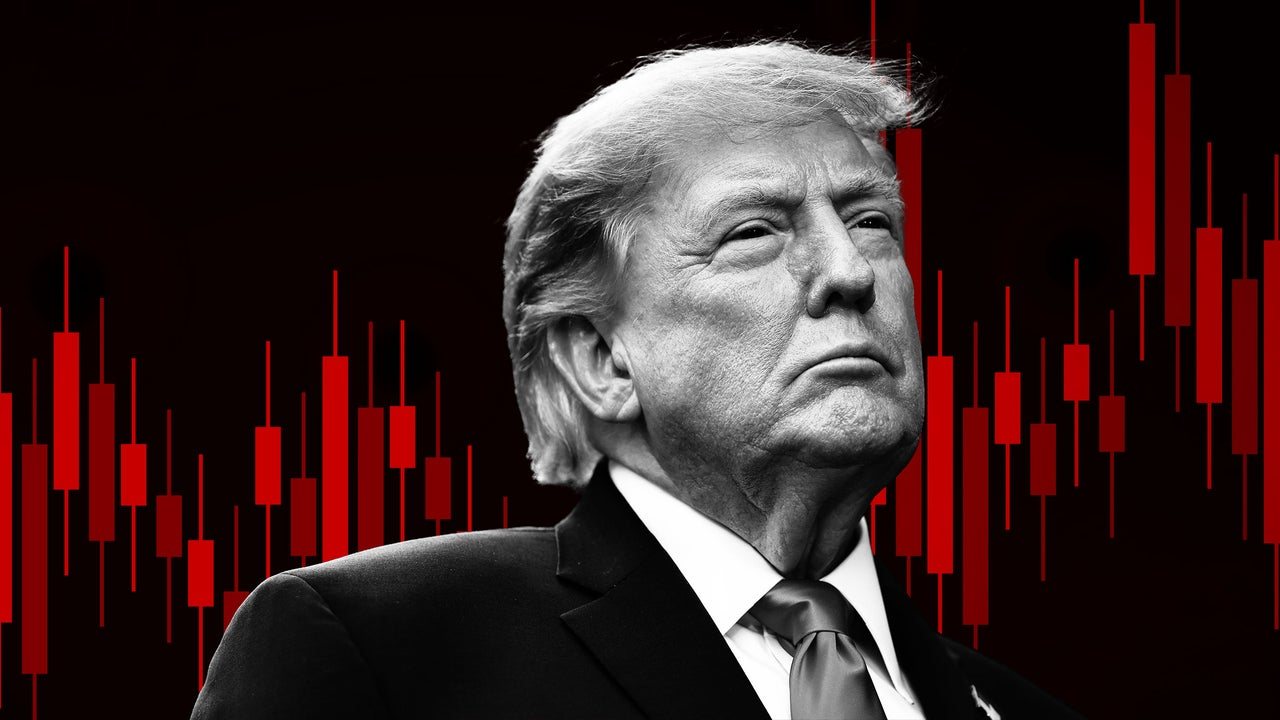
The cryptocurrency industry's most ambitious legislative effort collapsed in the Senate after revelations about the Trump family's substantial earnings from crypto ventures eroded Democratic support, leaving the sector without the permanent light-touch regulatory framework it had spent hundreds of millions of dollars to secure.
The Clarity Act, which would have placed most crypto trading under the oversight of the Commodity Futures Trading Commission and ended the practice of treating most digital tokens as securities, failed on a procedural vote on September 15, 2026, falling short of the 60-vote threshold required to advance. The bill had once appeared poised for passage, having cleared the House of Representatives in the summer of 2025 by a vote of 294-134, with 78 Democrats in support.
That momentum dissipated as a steady stream of reporting throughout the spring and summer of 2026 detailed the profits President Donald Trump and his family had accumulated through their own crypto businesses. Senate Democrats who had initially backed the measure grew concerned that supporting it would be perceived as voting to further enrich the president. While the final version of the bill included some ethics provisions, they proved insufficient to keep those lawmakers on board.
The outcome represents a paradox for the industry: its most prominent political ally inadvertently undermined its top legislative priority. The crypto sector had invested unprecedented sums—more than $119 million—to support pro-crypto candidates in both parties during the 2024 election cycle, and it had secured early wins, including the GENIUS Act signed in July 2025 that established a federal regulatory framework for stablecoins.
The Clarity Act was designed to resolve a long-standing question about whether crypto assets should be regulated as securities, like stocks, or commodities, like gold. Under the Securities and Exchange Commission, companies selling securities face stricter scrutiny, including registration requirements and detailed investor disclosures. Commodity trading follows looser rules, and the Commodity Futures Trading Commission oversees derivatives markets but not the spot markets where people buy and sell commodities directly.
The industry had argued that many tokens are decentralized, meaning no single company controls them, and therefore no entity exists to make the required disclosures to regulators. The 2024 election appeared to offer a path forward, with Trump reversing his earlier criticism of crypto and promising at a bitcoin conference to fire SEC Chairman Gary Gensler «on day one» and make the United States «the crypto capital of the planet.»
But the legislative push encountered an unexpected obstacle in January 2026, when Coinbase CEO Brian Armstrong posted on the social media platform X that his company would not support the measure. The opposition from the chief executive of the largest U.S. crypto exchange forced the Senate Banking Committee to postpone its vote on the draft, followed by additional rounds of revisions.
With the bill dead, the industry is now scrambling to advance its agenda through regulatory channels rather than legislation. That approach carries significant uncertainty, particularly with the prospect of Democratic control of one or both chambers of Congress after the November 2026 midterm elections, and the possibility of Democrats winning the White House in 2028.
The industry also faces a strategic dilemma over how to deploy its considerable campaign war chest ahead of the midterms. If it invests heavily to defeat crypto-skeptical Democrats, it risks a backlash should Democrats retake the House, the Senate, or both. Under that scenario, Democrats could launch congressional investigations or introduce legislation imposing stringent oversight on the sector.
Furthermore, if voters perceive the industry as overly partisan, that perception could further erode trust in a sector that has worked to repair its image since the collapse of crypto exchange FTX in 2022. The failure of the Clarity Act leaves the industry in limbo, uncertain about the durability of any regulatory gains it might achieve and facing a political landscape that could shift against it in the coming years.
5