Fall Camping Gear Guide Highlights Nine Tools Built for Cold-Weather Reliability
A new roundup of fall camping equipment focuses on gear that performs when temperatures drop and daylight fades, from a long-throw flashlight to a solar power station with built-in lantern.
As autumn camping season arrives, a new equipment roundup is drawing attention to a narrow category of outdoor gear: tools that justify their weight by working reliably when temperatures fall and daylight disappears earlier than expected. The guide, published by the design-focused outlet Yanko Design, highlights nine products chosen for their performance in the specific conditions of fall trips rather than for novelty or appearance.
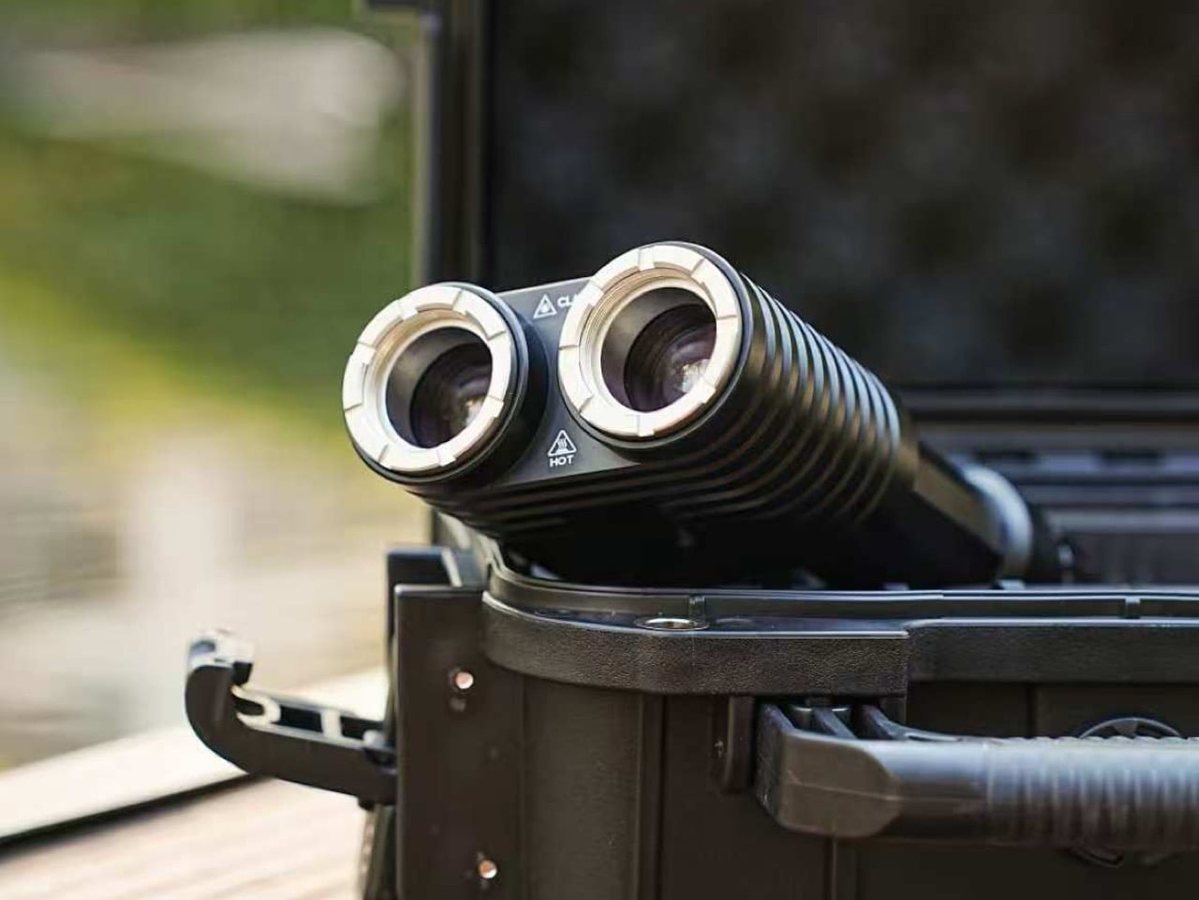
The roundup opens with a flashlight designed to reject the usual trade-off between a compact body and long beam distance. The Lumitwin DL700 uses laser-excited phosphor technology, the same light source found in high-end automotive laser headlights, to produce 1,100 lumens and a combined 958,000 candela when both barrels are activated together. According to the guide, that output pushes a coherent beam two kilometers, or about 1.24 miles, into the dark. The body is machined from 6061 aerospace aluminum, rated IP68 for water resistance to 1.5 meters, and built to survive a ten-foot drop. Each barrel operates independently with its own switch and brightness control, allowing configurations such as a red filter on one barrel to preserve night vision while the other throws white light for distance spotting. At 1,032 grams and $329, the guide notes, the flashlight demands commitment in both weight and cost, but delivers performance in a different category from typical pack-clipped lights.
Weather awareness is a recurring theme in the roundup. The RetroWave Radio receives AM, FM, and shortwave bands alongside dedicated NOAA weather channels, and includes Bluetooth for streaming when signal is available. It charges through a built-in solar panel or a hand crank, a dual-path approach the guide describes as a genuine advantage for multi-day trips where sunny hours are not guaranteed. The design leans toward mid-century Japanese radio aesthetics, making it suitable for a desk at home as well as a picnic table. The guide cautions that shortwave reception varies significantly with terrain and atmospheric conditions, and that Bluetooth adds weight for a function most campers skip on real multi-day trips. The radio is priced at $89.
Cooking equipment also earns a place in the selection. The Camprit TiStove is a titanium camp stove built around modularity, reconfiguring for boiling, grilling, or searing across different heat sources without a dedicated ignition system. The guide points out that no moving ignition parts means fewer opportunities for failure on a cold fall morning when a butane lighter will not click. Titanium construction provides a weight-to-durability ratio that camp cooking has been chasing since aluminum reached its ceiling, according to the roundup. The stove handles open flame, direct contact, and rough packing without deforming or trapping residue. The guide notes that the modular configuration takes a few trips to feel intuitive, and that the absence of an integrated windscreen is a real limitation on exposed ridge or clifftop sites.
Power and lighting are combined in the Blavor PN-W43 Solar Power Station, a power bank that also functions as a camp lantern. Its built-in LED panel delivers diffuse light across a tent interior without the directionality problem that comes from propping up a flashlight. Five charging inputs, including solar and AC, cover nearly every scenario between a home base and a remote campsite. For fall trips where dusk arrives earlier each week, the guide says, having light and power in a single unit removes one item from the checklist entirely. The high-capacity cell provides meaningful device charging, though the source material does not specify further technical details.
The roundup frames these selections around a broader point about outdoor equipment: the best gear does not announce itself. It disappears into a pack, shows up when conditions deteriorate, and handles the job without drama. Most outdoor gear fails this test in predictable ways, including battery doors that ice shut, handles that bend under load, and plastic panels that feel like props once outside. What survives the cut tends to be smaller, smarter, and more carefully considered in its construction. Fall raises the stakes in ways summer does not, with daylight disappearing faster than expected, temperatures dropping sharply once the sun clears the treeline, and the gap between a manageable evening and a rough one closing quickly. The nine picks, according to the guide, earned their spot by performing in that specific context without adding unnecessary weight or complexity.
5