Immigration Raids in Republican Strongholds Disrupt Meatpacking and Cost Millions
Meatpacking and livestock groups in Texas, Kansas and Oklahoma say heightened immigration enforcement has caused worker absences, plant shutdowns and millions in lost revenue, prompting rare concern from Republican lawmakers in a region that voted heavily for President Trump.
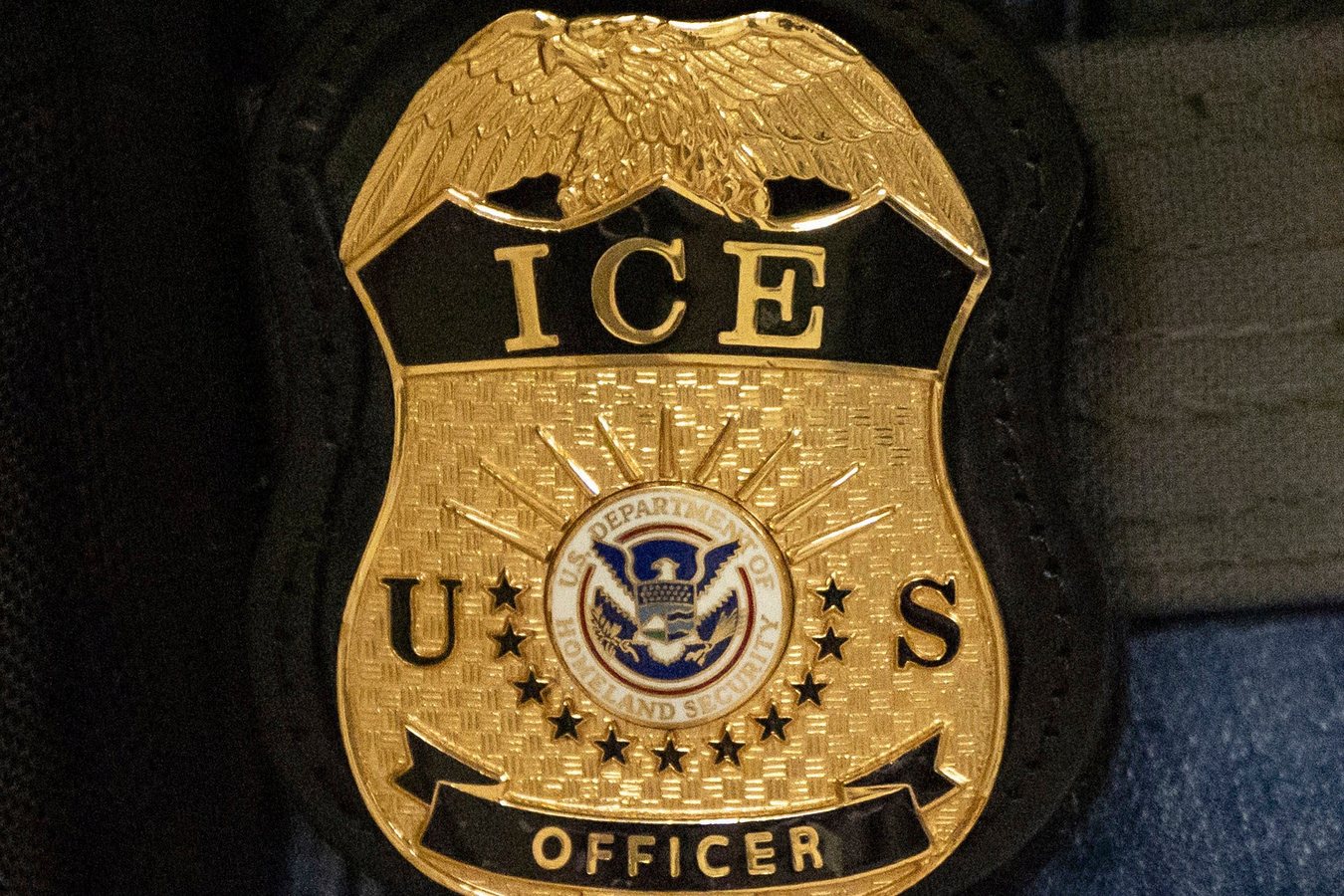
Heightened federal immigration enforcement in Texas, Kansas and Oklahoma has disrupted meatpacking and livestock operations across a region that voted heavily for President Donald Trump, costing the industry millions of dollars in lost revenue and prompting unusual pushback from Republican lawmakers.
The Texas Cattle Feeders Association, the Oklahoma Cattlemen's Association and the Kansas Livestock Association said in a joint statement that U.S. Immigration and Customs Enforcement operations have delayed the shipment of thousands of cattle and disrupted work at feedlots, dairy processors, feed and grain companies, and transportation hubs. The groups warned that the problems could eventually raise prices for consumers.
Scarlett Mabinger, vice president of communications for the Kansas Livestock Association, said the group has received multiple calls from members reporting a rise in absences at businesses in southwest Kansas after communities noticed an increase in federal immigration officers this week. Several meatpacking plants in Dodge City, Liberal and Garden City typically process thousands of cattle every day, but Mabinger said some had to shut down temporarily and send cattle back to feedlots.
«So then they're having to be returned back to the feed yard to wait, which, of course, causes an animal health issue, causes financial issues,» she said. The Kansas Livestock Association said it had not received reports of arrests at worksites, but community members began noticing the arrival of officers on Tuesday.
The Department of Homeland Security confirmed the presence of officers in Kansas but said they are not conducting worksite raids. DHS Secretary Markwayne Mullin said in a statement that ICE has been «targeting heinous criminals,» without providing a breakdown of the number of people arrested.
The enforcement activity has unsettled communities in cities with large Hispanic populations. Federal data obtained and analyzed by The Associated Press shows those populations have grown over the past decade, largely through new arrivals from Cuba and Haiti. Voters in the surrounding counties strongly backed Trump in the last election, with more than 65% casting ballots for the Republican Party.
Amy Soberanes, a 25-year-old community organizer in Dodge City, has been helping deliver food to people who are afraid to leave their homes. She said cleaning crews stopped showing up at some locations, forcing plants to close.
«I have worked with so many moms who have told me that they don't know what they're gonna do because their provider has been taken,» Soberanes said. «I have seen kids cry to me because their mom and dad are gone. It brought a lot of hurt, and a lot of pain, and a lot of trauma for our community.»
Republican politicians, who typically have sided with Trump on immigration, are making careful pivots in their messaging. Kansas Sen. Roger Marshall, a Republican incumbent in a tight race against a Democrat, and Sen. Jerry Moran both said they were concerned and urged the federal administration to coordinate with local authorities.
«Secretary Mullin assured me these warrants are only for the purpose of arresting individuals who have been charged with criminal activities,» Moran said in a statement shared on social media.
The administration has repeatedly claimed it is targeting immigrants with criminal histories, but recent data suggests more than half of those arrested in July had not been convicted of any crimes and were not facing criminal charges. Less than a quarter of those arrested had been convicted of a crime.
Members of the Kansas Livestock Association are urging federal officials to conduct more targeted enforcement actions and provide greater transparency. Beef prices have soared to record highs over the past year, largely because of the smallest national herd in 75 years. The Trump administration has tried to bring prices down, including by allowing some beef imports without high tariffs and reopening the border to cattle from Mexico, which had been closed because of an outbreak of the New World screwworm, a pest that can be deadly to cattle.
Mabinger warned that the disruption could feed through to consumers if it continues. «If it continues for a long enough period of time, then it could therefore lead to increased prices, because we are not processing the amount of beef that consumers are currently demanding,» she said.
12