Anthropic прices IPO range below earlier expectations
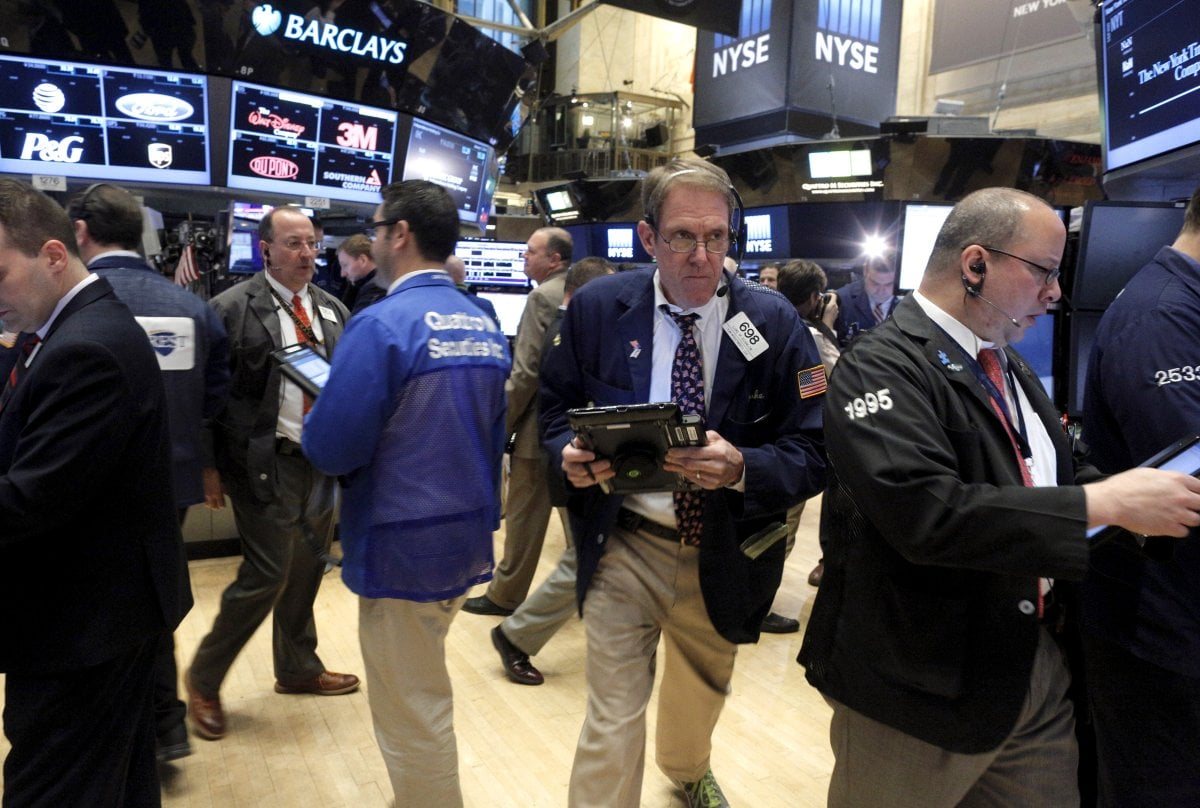
The five-year-old AI company Anthropic set a price range of $70 to $78 per share for its Nasdaq stock offering, valuing it at roughly $1.26 trillion to $1.41 trillion, well below summer projections near $2 trillion.
Anthropic, the five-year-old artificial intelligence company, has set a price range of $70 to $78 per share for its planned public stock offering, a valuation of roughly $1.26 trillion to $1.41 trillion. The shares are expected to trade on the Nasdaq under the ticker ANT, beginning the day after pricing, which is scheduled for November 18.
The range falls well short of earlier expectations. Projections in the summer had put the company's valuation near $2 trillion. At the level now proposed, Anthropic would not surpass SpaceX's June initial public offering, which valued that company at about $1.77 trillion, as the largest IPO on record. The company could raise as much as about $94 billion.
Analysts are divided on what the lower price signals. Some view the conservative pricing as a deliberate strategy rather than a sign of weakness, arguing that a modest valuation leaves room for a positive debut and a strong first-day performance. Others warn that overpricing could bring months of negative press, which makes a cautious approach more defensible.
The company's financial filings show heavy commitments. Its latest S-1 filing lists compute spending commitments near $1 trillion, at a time when demand for computing capacity is expected to outpace supply. Those obligations make the size of the offering and the company's investor messaging especially important, since the capital is needed to build out the infrastructure that frontier AI models require.
Business performance has been rapid. Anthropic reported third-quarter revenue of about $17 billion, up more than 1,100 percent from a year earlier. Sequential growth, however, slowed to 47 percent from 144 percent in the second quarter. The company is regarded as a leader in frontier models and is widely used for coding and cybersecurity tasks. A central open question is how far its products will spread across broader enterprise markets, where it competes with OpenAI and Google.
The political and market backdrop adds uncertainty. Recent midterm election results have raised doubts about the pace of data center construction, a concern that bears directly on AI companies that depend on large facilities. Texas, Georgia and Ohio are among the key states for that buildout. OpenAI has begun describing its data centers as « compute campuses, » a change in language that reflects the scrutiny the sector faces. A recent market sell-off has also been tied to political headwinds.
Anthropic has been making product moves that bear on its competitive position. It has launched new models that the company says are about 20 percent cheaper than OpenAI's flagship model, and it has released workplace tools that could compete with offerings from Microsoft. Whether those price and product decisions translate into lasting enterprise adoption will likely shape how investors judge the offering once trading begins.
Source: fortune.com
5