Live-Service Gaming's Winner-Take-All Economy Leaves Little Room for Number Two
The battle royale market is projected to nearly triple to $30 billion by 2035, but the genre's history shows that only a handful of titles capture the vast majority of players and revenue, leaving even well-funded competitors struggling to survive.
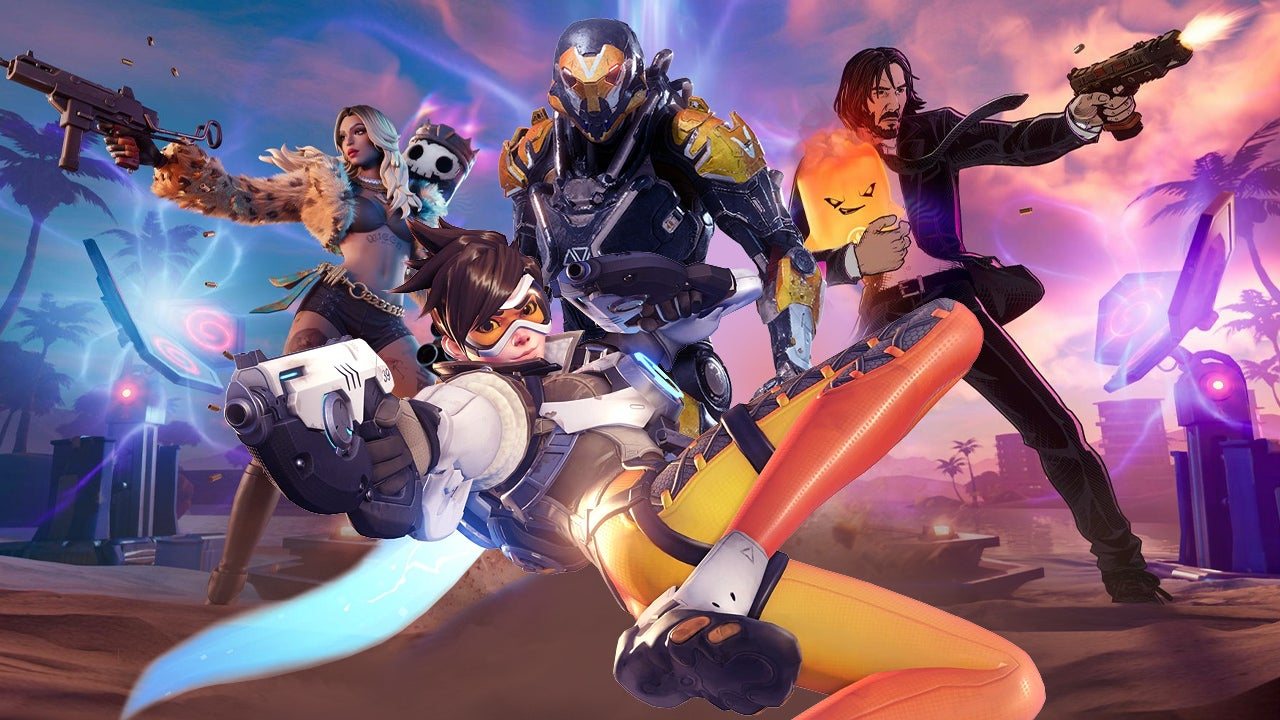
The battle royale genre is on track to nearly triple in value over the next decade, yet the economics of live-service gaming increasingly reward only the top title in the market, leaving even well-funded competitors struggling to justify their existence. The sector was valued at $11.2 billion last year and is expected to approach $30 billion by 2035, according to industry projections, but the path to capturing that growth has proven brutal for almost everyone who has tried.
The format traces its roots to April 2012, when Norwegian YouTuber Dennis Vaeride launched the first Minecraft Survival Games server, one month after the film adaptation of The Hunger Games arrived in cinemas. The concept was simple: dozens of players would sprint into a central circle, gather supplies, and fight until only one remained. The idea spread quickly, but the true catalyst came a year later from a developer living in Brazil. In early 2013, Brendan Greene conceived a last-player-standing mode for the zombie survival game DayZ, inspired not by The Hunger Games but by Kinji Fukasaku's 2000 thriller Battle Royale. His creation, PlayerUnknown's Battle Royale, introduced the shrinking safe zone and random loot drops that would come to define the genre.
Greene's work caught the attention of Sony, which brought him on as a consultant for the competing title H1Z1, and then South Korean studio Bluehole, which offered him the chance to build his own project. That game, PlayerUnknown's Battlegrounds, launched on Steam Early Access in March 2017 and surpassed three million concurrent players by December of that year. Its success did not go unnoticed. Epic Games, whose Fortnite had launched in July 2017 as a struggling tower-defense title, quickly pivoted. By September, the studio had released a free-to-play battle royale mode built on the same last-player-standing formula. Within two weeks it had 10 million players. Within a year, 125 million. Today, Fortnite counts 650 million registered players and has evolved into a platform hosting virtual concerts by Ariana Grande and Eminem, movie previews, and live world-ending events.
The dual dominance of PUBG and Fortnite triggered an industry-wide arms race. Nearly 2,000 games carry the battle royale tag on Steam, with hundreds more on mobile. The financial stakes are enormous: Fortnite generated $9 billion within two years and likely more than $20 billion by now. But the same cycle played out a decade earlier with the MOBA genre, where dozens of studios tried and failed to replicate the success of League of Legends and Dota 2. The pattern repeated with battle royale. Ubisoft's Hyper Scape, Square Enix's Final Fantasy 7: The First Soldier, Fallout 76's Nuclear Winter expansion, and even Epic's own wrestling-themed Rumbleverse all flatlined within a year of launch. Heavyweights like Halo Studios and Amazon Games have also failed to gain traction.
The result is a winner-take-all market where being number two is almost not worth the effort. The scale required to sustain a live-service game — continuous content updates, server infrastructure, and marketing — means only the largest titles can justify the investment. For everyone else, the battle royale boom has become a cautionary tale about the limits of chasing a trend that only a handful can ever win.
8