Sports Media Double Standard: Sophie Cunningham Criticized While Megan Rapinoe Celebrated
A New York Times' The Athletic column called for the Indiana Fever to part ways with Sophie Cunningham, citing her comments on trans athletes as too turbulent. Critics point to a double standard, noting that Megan Rapinoe's far more extensive political activism was celebrated by the same sports media.
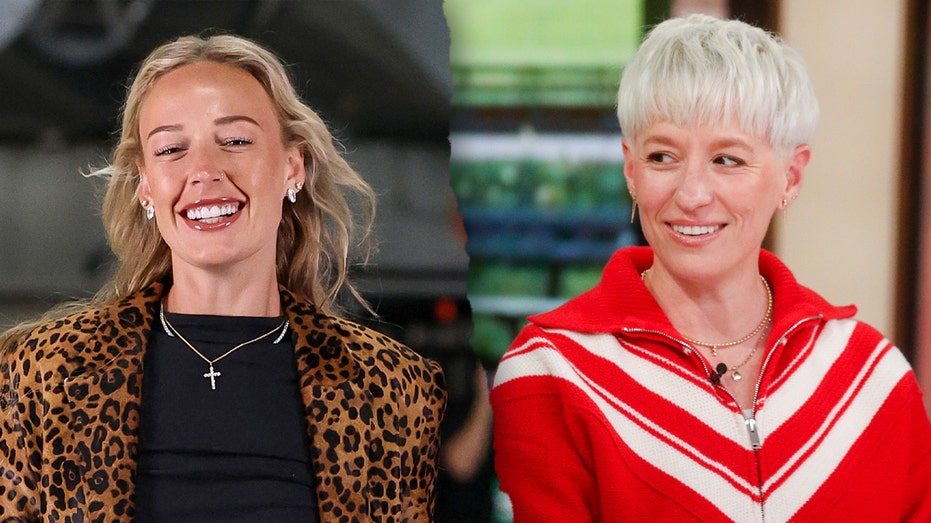
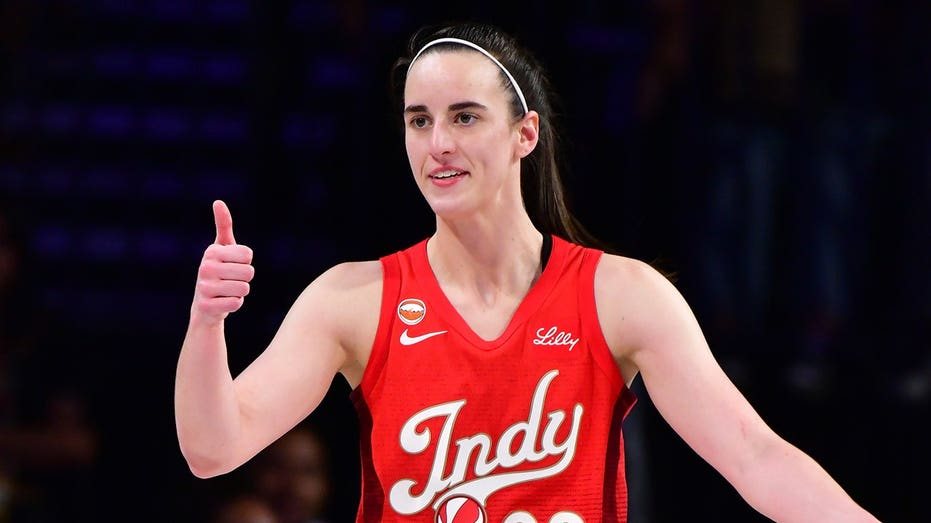
A columnist for The New York Times' sports vertical, The Athletic, has called for the Indiana Fever to part ways with Sophie Cunningham, arguing that the player's growing profile has become a distraction for the team and its star, Caitlin Clark. The column, written by Candace Buckner, described Cunningham as «too turbulent to be paired with Caitlin Clark» and suggested that if the Fever want to «go back to being a basketball team again,» Cunningham has to go.
The column pointed to comments Cunningham made earlier this year in an ESPN article about transgender athletes competing in girls' sports. Cunningham said she «loves» all communities but believes it is important to «protect young girls» and that they «shouldn't have to go against biological men» in sports. Those remarks were subsequently framed as transphobic by WNBA players and members of the media.
Beyond that single comment, however, Cunningham has hardly been the political lightning rod her detractors depict. Most of her public persona consists of playing basketball, dancing on TikTok, and trying on outfits. The second-most controversial thing she has said recently was telling A'ja Wilson to «grow up» after Wilson charged toward a courtside fan during a playoff game, an incident that required teammates to restrain Wilson before arena security intervened.
The Athletic's position might be more persuasive if it were consistent, critics argue, but it is not. Consider soccer player Megan Rapinoe. Unlike Cunningham, Rapinoe spent years making politics central to her public identity. She knelt during the national anthem and later said she would probably never sing it again. She claimed during the 2019 World Cup that she was «not going to the f---ing White House» if President Donald Trump invited the team. She publicly supported Democratic candidates, including Hillary Clinton and Elizabeth Warren, and described Trump as «sexist,» «misogynistic,» «small-minded,» «racist,» and «not a good person.»
Rapinoe also condemned the Supreme Court's 2022 decision overturning Roe v. Wade as «sad and cruel,» became a prominent supporter of Black Lives Matter, repeatedly advocated for transgender women to compete in women's sports, and once dismissed concerns about competitive fairness as «total bullshit.» More recently, she called for traditional WNBA media to make room for people who «understand queer culture.» After tearing her Achilles in the final match of her career, Rapinoe said the injury was «proof that there isn't» a God.
Whatever one thinks of those positions, no reasonable person could describe Rapinoe as reluctant to inject politics, religion, and contentious social issues into sports. Yet the sports media never mounted a campaign for Rapinoe's teams to part ways with her because she was too «turbulent.» Her activism was not treated as an impediment to her team getting «back to being a soccer team.» Quite the opposite. Rapinoe became one of the most celebrated athletes in American sports media, in no small part because of her willingness to speak about politics — the right side of politics, that is. Her activism was incorporated into her public brand and routinely presented as evidence of courage and leadership.
That is the double standard, critics say. The sports media rarely treats athletes who espouse liberal or progressive political views as problematic, even when those views are provocative, divisive, or factually incorrect. Rapinoe is not the only example. LeBron James has spent years commenting on presidential politics, policing, and race, all in favor of Democratic positions. Colin Kaepernick turned an anthem protest into the defining feature of his public identity. Sue Bird, Breanna Stewart, and Natasha Cloud have routinely spoken about progressive political causes. Steve Kerr has addressed topics ranging from gun control to presidential politics and supported Kamala Harris for president on stage at the Democratic National Convention in 2024.
Meanwhile, the same reporters and commentators treat Cunningham saying that girls deserve protected athletic categories, Harrison Butker promoting traditional marriage, or Jaxson Dart introducing Trump on stage as grounds for condemnation or even action from their teams and business partners. The perspectives of many sports writers, the argument goes, are shaped by the bubble in which they operate. In their world — virtual newsrooms, Bluesky, Threads, Instagram, and sports blogs — saying that men and women possess meaningful biological differences can qualify as an outrageous offense. Outside that bubble, the position is decidedly mainstream. National polling consistently shows that between 75 and 80 percent of voting Americans oppose biological men competing in women's sports.

8