Mbappé apologizes after China backlash over Mao meme comment
Kylian Mbappé, Real Madrid and La Liga all apologized after Beijing punished them economically over a joke, prompting calls for a collective response from governments to China's coercion.
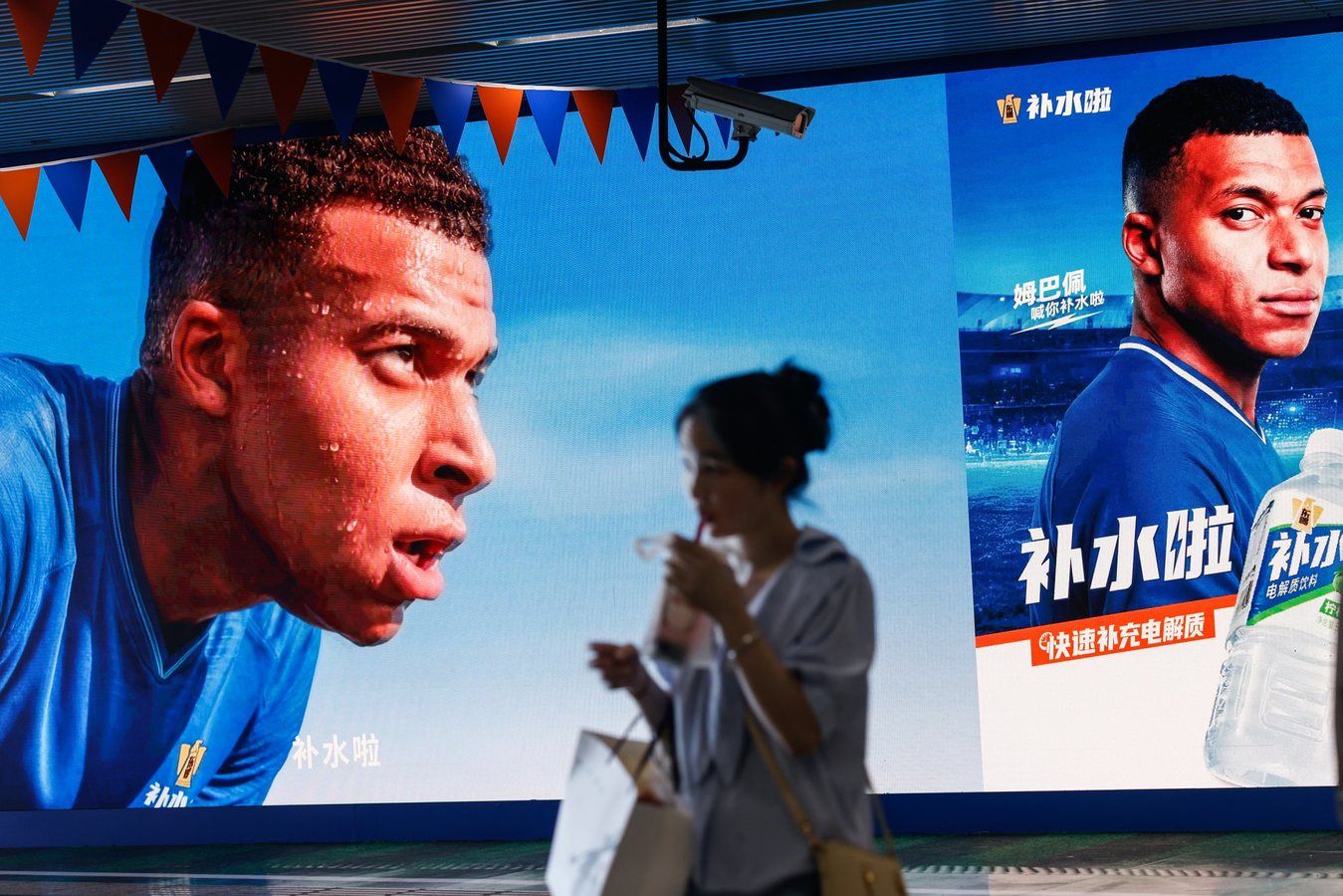
Kylian Mbappé, the Real Madrid striker and 2018 World Cup winner, has apologized for remarks that drew a sharp economic response from China, a case that has prompted renewed calls for governments to push back against Beijing's pressure on foreign companies and individuals. The episode began with a meme superimposing Mbappé's face onto the body of Mao Zedong. The image went largely unnoticed until a Chinese football forum picked it up in late October.
The row escalated after Mbappé addressed the meme on the French talk show The Bridge. He said the funniest meme of himself showed « some guy, I think he's a Chinese dictator ». Beijing responded quickly. Within a day, three Chinese sponsors had dropped him, and his name and likeness were removed from social media posts and in-store promotions across China for brands including Dior, Hublot, On and Adidas. China's state broadcaster took La Liga matches, Spain's top league where Real Madrid and FC Barcelona play, off the air. Mbappé's accounts on Xiaohongshu, also known as RedNote, and Weibo were restricted. China's foreign ministry described the backlash as natural.
Mbappé quickly apologized for his « ill-judged » comment. La Liga, which earns an estimated $100 million a year from Chinese media rights, apologized through its president, Javier Tebas, to Chinese fans. Real Madrid, which counts millions of fans in China and reportedly sells about 15% of its jerseys there, issued a statement apologizing to the Chinese people for any « discomfort » the striker's words had caused.
The commentary accompanying these reports argues that the apologies, though understandable, reflect a deeper problem. Because no single company or athlete can confront a nation-state of China's size, individuals and firms will keep acquiescing unless governments act together. The authors describe the pattern as a recurring one. They point to the NBA's experience in October 2019, when a tweet about the Hong Kong protests by Houston Rockets general manager Daryl Morey prompted all 11 of the league's official Chinese partners to suspend ties, while Chinese state media canceled broadcasts. The league lost hundreds of millions of dollars.
The stakes for sports organizations are substantial. Since 2005, more than 60 basketball players have signed deals with Chinese brands worth hundreds of millions of dollars in total. Europe's largest soccer clubs travel to China regularly and sell considerable merchandise while there. Formula One still races in Shanghai, and the NFL is bringing flag football into Chinese schools. The article also cites Hollywood examples, including MGM's digital alteration of the Chinese invaders in its « Red Dawn » remake into North Koreans, the removal of Taiwanese and Japanese flags from Tom Cruise's jacket in the first trailer for « Top Gun: Maverick », and John Cena's 2021 apology in Mandarin for calling Taiwan a country while promoting a film.
The authors argue that China's pressure reaches beyond entertainment and sports, shaping how governments and companies behave on human rights, Taiwan and United Nations votes. They say the distinctive feature of the Chinese backlash is Beijing's role in signaling displeasure and guiding Chinese companies to act. According to their research, they have tracked 605 cases of Chinese economic coercion since the 1990s. Of these, 582 targeted companies and individuals over perceived slights to Communist Party legitimacy, territorial disputes, Tiananmen commemorations and arms sales. Few concerned trade directly. The G7 economies, Australia and South Korea accounted for 81% of the targets, and in most cases the target apologized quickly and stayed silent.
The authors call for a collective economic deterrence pledge, described as a NATO-style Article 5 for trade, under which coercion against one country would be answered by all. They suggest it could begin with the G7, Australia and South Korea before widening to economies bearing the brunt of Chinese overcapacity. Their analysis notes that 18 countries Beijing has punished export more than $43 billion of goods to China on which it is highly dependent, including inputs for solar panels, batteries, construction and plastics. Countries across the Americas, Asia and Europe that absorb more than $286 billion of China's surplus goods also supply inputs its factories need, such as Brazil's ferro-niobium and Indonesia's ferro-nickel. The authors say Europe could lead by extending its Anti-Coercion Instrument.
Source: fortune.com

29