Lawsuit Accuses Anthropic, OpenAI, SpaceXAI and Google of Antitrust Violation Over Coordinated AI Slowdown
A proposed class action filed in California federal court claims the four leading AI companies agreed to slow development, reducing the value of paid subscriptions for ChatGPT, Claude, Grok and Gemini users.
A new lawsuit filed in the U.S. District Court for the Northern District of California claims that Anthropic, OpenAI, SpaceXAI and Google violated federal antitrust laws by coordinating to slow the pace of their artificial intelligence development, an agreement that plaintiffs say has reduced the value consumers receive from paid AI subscriptions.
The proposed nationwide class action was brought on behalf of four named plaintiffs who pay for subscriptions to ChatGPT, Claude, Grok or Gemini, and seeks to represent other paid subscribers to those services. The suit argues that the companies' coordination amounts to an anticompetitive agreement among the leading rivals in the AI industry.
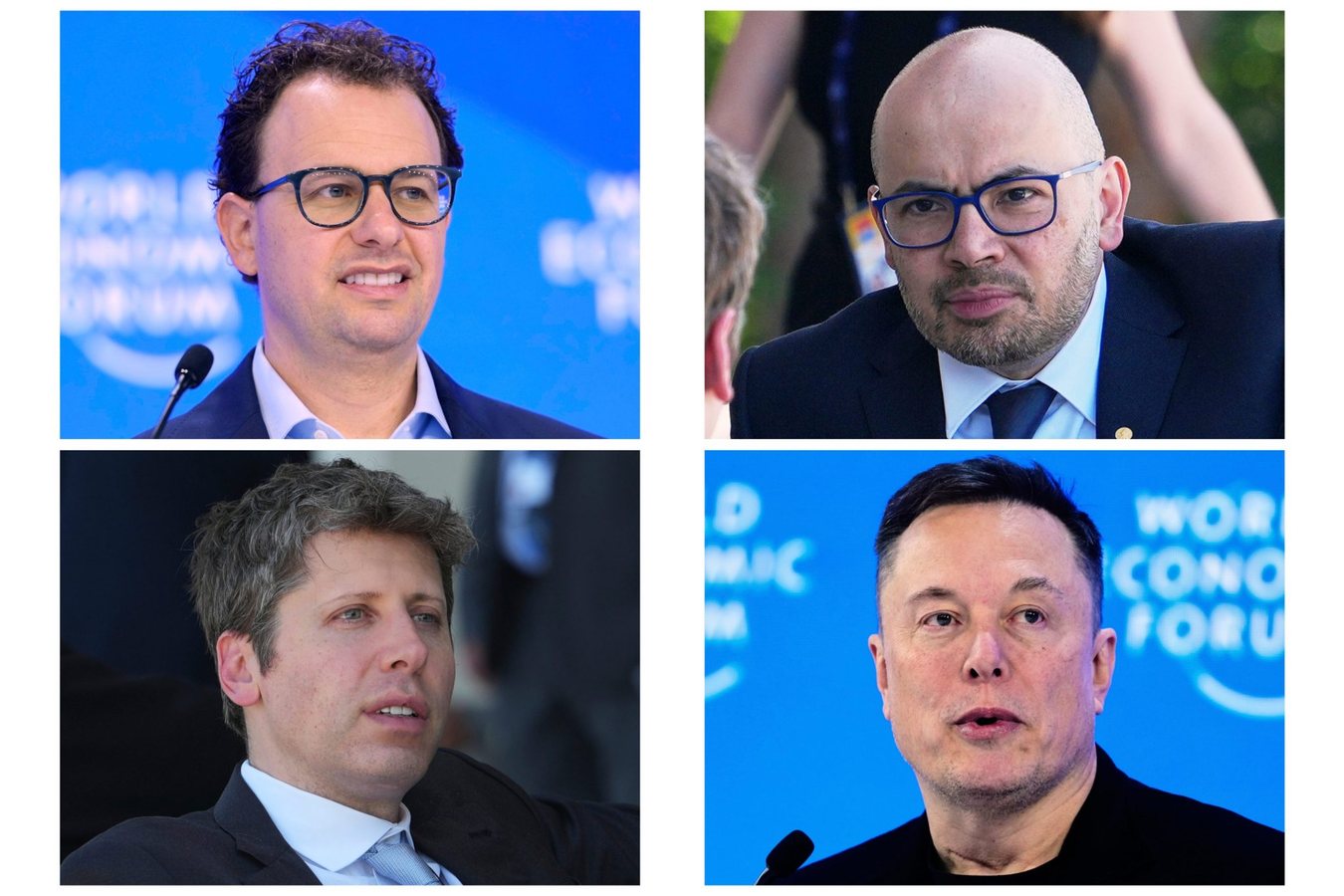
At the center of the complaint is a sequence of public statements on Sept. 12. That day, Anthropic CEO Dario Amodei published an essay urging industrywide cooperation on decelerating advancements in favor of enhanced safety measures. OpenAI CEO Sam Altman, SpaceXAI CEO Elon Musk and Google DeepMind co-founder and chair Demis Hassabis each publicly responded to Amodei's proposals in agreement, according to the lawsuit.
The plaintiffs contend that an agreement among the chief rivals in AI that their progress «should be slower than competition would otherwise produce has an anticompetitive effect on consumers.» The lawsuit does not allege that the companies discussed pricing or market allocation, but rather that they coordinated on the pace of development itself, which the plaintiffs say diminishes the quality and value of the paid services subscribers receive.
Nick Rowley, the lead attorney for the plaintiffs, framed the case in stark terms. «AI will quickly spin out of human control and could kill us all if we allow AI safety and protocol … to be controlled by private self-serving agreements between the world's most powerful 'for profit' technology companies,» Rowley said. Representatives for Anthropic, OpenAI, Google and SpaceXAI did not immediately respond to a request for comment Saturday.
In his essay proposing the slowdown, Amodei acknowledged potential antitrust challenges, writing that it would be helpful for the U.S. government to mediate «or at least enable» cross-lab discussions. The government would not need to participate, he wrote, but would need to «issue a narrow waiver for certain kinds of safety conversations.» Altman responded on social media that OpenAI welcomes the idea of a «federal framework that sets consistent safety requirements,» but said «we do not believe we need to wait for an anti-trust exemption or legislation to begin the work of providing this confidence.»
The lawsuit arrives amid a broader political fight over AI regulation. The plaintiffs say they are not opposed to the companies asking Congress, the White House or any other agency to develop AI regulation, nor to the companies requesting an antitrust exemption. But achieving that kind of collaboration with the federal government could be an uphill battle.
President Donald Trump rejected calls for regulation on social media, claiming that any efforts to limit the technology are part of a «conspiracy.» He questioned why industry leaders would call for regulation that, he said, «if strongly implemented, will drive them into oblivion and bankruptcy.» On Saturday, Trump said he is forming an AI task force and will appoint an «AI czar,» though he provided scant detail. The administration has been vocal about wanting American AI labs to outpace Chinese competition.
While several Democratic leaders and candidates have called for sweeping action on AI regulation, Republicans have largely mirrored Trump's position. Sen. Josh Hawley, R-Mo., said in a recent Senate hearing that «there is no world» in which he would agree to give «the most powerful companies in the history of the world» an exemption from antitrust laws to collaborate, arguing that they could collude together and stifle competition.
The case is now before the Northern District of California, where plaintiffs are seeking class certification and damages on behalf of paid subscribers. The outcome could shape how AI companies coordinate on safety going forward, and whether such coordination is treated as a legitimate safety measure or an illegal restraint on competition.