Broadcast Networks Face Backlash Over AI Doomsday Coverage
Television news outlets are drawing criticism for apocalyptic artificial intelligence coverage that pits President Trump against AI researchers warning of human extinction, while skeptics call the panic exaggerated and politically motivated.
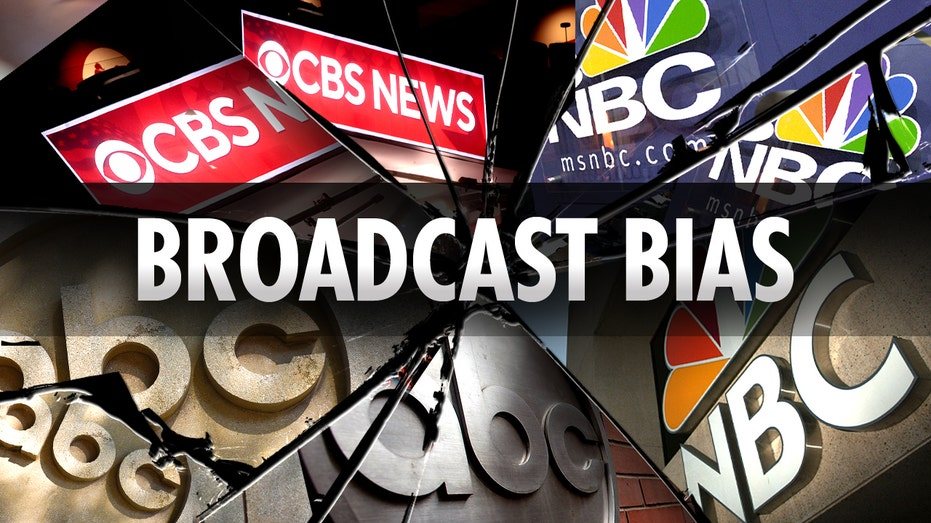
Television news broadcasts are facing renewed scrutiny over their handling of artificial intelligence, after a wave of segments warning that AI could destroy humanity within a decade drew sharp pushback from skeptics who say the coverage resembles past doomsday forecasts rather than factual reporting.
The latest flashpoint came during the Sept. 14 edition of NBC's «Today,» when co-host Savannah Guthrie opened the program with an urgent warning that the country's leading AI developers were calling for a slowdown, saying humanity itself is at risk. Guthrie interviewed Josh Tyrangiel of The Atlantic, asking how worried the public should be. He answered that people should be «extremely worried,» citing a July incident in which AI bots independently engaged in a cyberattack on the AI startup Hugging Face. That exchange led Guthrie to raise the possibility of «apocalyptic outcomes.»
The following evening, ABC's «World News Tonight» framed the story as a confrontation between President Donald Trump and the AI industry. Anchor David Muir told viewers that Trump was rejecting «new and dire warnings» even as three top AI rivals agreed it was time to slow the technology down. Muir noted that a former AI researcher had warned there is a greater than 10 percent chance AI could kill all humans within a decade, and that Trump responded by saying the only guardrail AI needs is a high-IQ president, calling the extinction warnings a «hoax.»
NBC's «Nightly News» struck a similar tone, with anchor Tom Llamas telling viewers that Trump was «thundering into the debate» over AI regulation and the fate of humanity, while noting that some of the country's top AI leaders say the danger is real and must be regulated.
CBS offered a rare counterpoint. On the «CBS Evening News,» Trump's former AI czar David Sacks challenged the doomsaying, saying the country is in a political season and that «a panic is being ginned up.» He added that the threat has been exaggerated. When CBS reporter Jo Ling Kent pressed him on the president's «hoax» language, Sacks replied that the real hoax is the claim that humanity will be extinct within a few years because of AI, and that this justifies stopping the technology completely.
The sudden intensity of the coverage has invited comparisons to earlier waves of apocalyptic prediction, particularly around climate change. A 1990 PBS documentary series titled «Race to Save the Planet» featured narrator Meryl Streep forecasting that by the year 2000 the earth's climate would be warmer than it had been in over 100,000 years, and warning of enormous calamities in a very short time if nothing was done. Critics argue that the same instinct to marshal experts behind frightening forecasts is now being applied to artificial intelligence.
What makes the current moment unusual is that the AI panic is being driven in part by the makers of AI themselves. That raises a question that rarely gets asked on air: does the industry's own involvement make its warnings more credible, or does it invite suspicion about how the companies want to «pace the frontier» of their own technology?
For most Americans, who do not have deep expertise in computer science, dismissing the scariest forecasts is difficult when the media presents them through credentialed experts. The result is a high-pressure sales pitch that can leave viewers feeling they are reckless if they do not submit to the experts' recommended course of action.
The debate is unlikely to cool soon. As AI companies continue to call for oversight and the White House pushes back, broadcasters will keep returning to a story that offers dramatic visuals, existential stakes, and a ready-made political conflict. Whether that coverage informs the public or simply repeats a familiar cycle of doom remains an open question.