How scientists prepared for the Trinity nuclear test
A look at the preparations behind the Trinity nuclear test, the first detonation of a nuclear weapon, and the uncertainties scientists faced about the energy it would release.
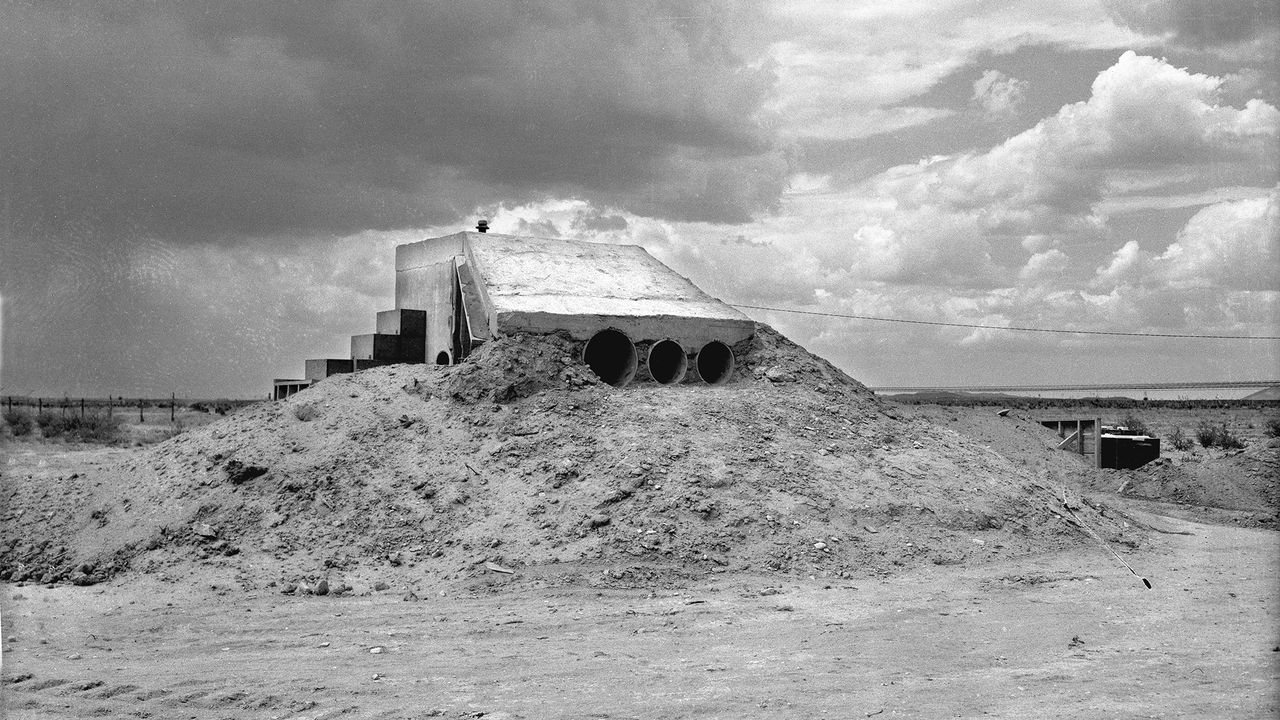
The greatest uncertainty facing scientists before the Trinity nuclear test was not whether the device would work, but how much energy it would release. That question shaped months of preparation for the first detonation of a nuclear weapon, a milestone that would change the course of warfare and science forever.
The test, conducted in the New Mexico desert, was the culmination of the Manhattan Project, the secret wartime program to build an atomic bomb. Scientists knew the weapon would produce an explosion of unprecedented scale, but they could not precisely predict its yield. This unknown influenced everything from the placement of observation posts to the calculations for how close personnel could safely stand.
Preparations involved a wide range of disciplines. Physicists worked on the implosion design, which used conventional explosives to compress a core of plutonium to a critical mass. Engineers built the tower from which the device would be suspended. Meteorologists monitored wind patterns to ensure that radioactive fallout would not drift over populated areas. Each team operated under the pressure of wartime urgency, knowing that the success or failure of the test would determine whether the bomb would be ready for use in the ongoing conflict.
One of the key challenges was instrumentation. Scientists needed to measure the explosion's power, but no instrument had ever been designed for such an event. They developed new cameras, gauges, and sensors to record the blast wave, the flash of light, and the radiation emitted. Many of these instruments were placed at varying distances from the detonation point, some close enough to be destroyed by the blast but positioned to transmit data before they were lost.
The scientists also had to consider the human factor. Observers were stationed at different distances, with strict instructions on when to turn away and when to look. The famous physicist Enrico Fermi reportedly planned a simple experiment to estimate the yield by dropping scraps of paper and measuring how far they were displaced by the shockwave. This improvisation reflected the blend of rigorous calculation and practical ingenuity that characterized the project.
Safety was a major concern. The team built a series of bunkers and shelters to protect personnel from the blast and radiation. They also established evacuation routes and contingency plans in case the explosion was larger than expected. Despite these precautions, there was an underlying awareness that they were entering uncharted territory. The phrase «the greatest unknown» captured the mood among the scientists, who understood that their calculations were based on theory that had never been tested at this scale.
When the test finally took place, the device detonated with an energy equivalent to about 20 kilotons of TNT, far exceeding some early estimates. The success of Trinity paved the way for the bombs dropped on Hiroshima and Nagasaki weeks later, and it marked the beginning of the nuclear age. The preparations, with their mix of scientific rigor and uncertainty, remain a defining chapter in the history of physics and of the modern world.
75