Spain Approves Emergency Housing Measures After Barcelona Protest Turns Violent
Spain's government approved 21 urgent measures to address the housing crisis, including a new tax on seasonal rentals and a 10 billion euro fund for first-home loans, after protests in Barcelona turned violent and an 87-year-old woman's eviction sparked nationwide outrage.
Spain's government approved a package of urgent measures to address the country's deepening housing crisis, moving swiftly after a massive protest in Barcelona turned violent and nationwide demonstrations demanded action. The 21 measures include a new tax on seasonal rentals, a 10 billion euro fund to provide loans of up to 50,000 euros for first-home purchases, extended eviction protections for vulnerable residents, and a prohibition on speculative real estate purchases.
Prime Minister Pedro Sánchez announced the steps at the Presidential Palace, framing them as a response to the eviction of 87-year-old María del Carmen Abascal from her Madrid home last month, an event that ignited protests across the country. «We will not allow any more evictions like the one Maricarmen suffered or like those that have occurred since the decrees were repealed,» Sánchez told reporters, referring to Abascal by her nickname.
The measures mirror proposals that Parliament rejected just last week, when right-wing opposition parties voted down emergency decrees. Sánchez's coalition government, lacking a majority, suffered a bruising legislative defeat. In response, the prime minister called for an early election on Nov. 29, dissolving Parliament and leaving the measures to be ratified by an interim legislature of 69 members rather than the full 350-seat body. The coalition will need only 35 votes to pass the package.
Despite the reduced threshold, Sánchez appealed to opponents for support. «We are not talking about an ideological issue, but about common sense,» he said. «Many Spaniards are waiting for solutions, not just those gathering in town squares, nor the thousands of protesters in the streets. I'm referring to millions of citizens who are waiting for their representatives to show the courage to stand up to the powerful, rather than submit to them.»
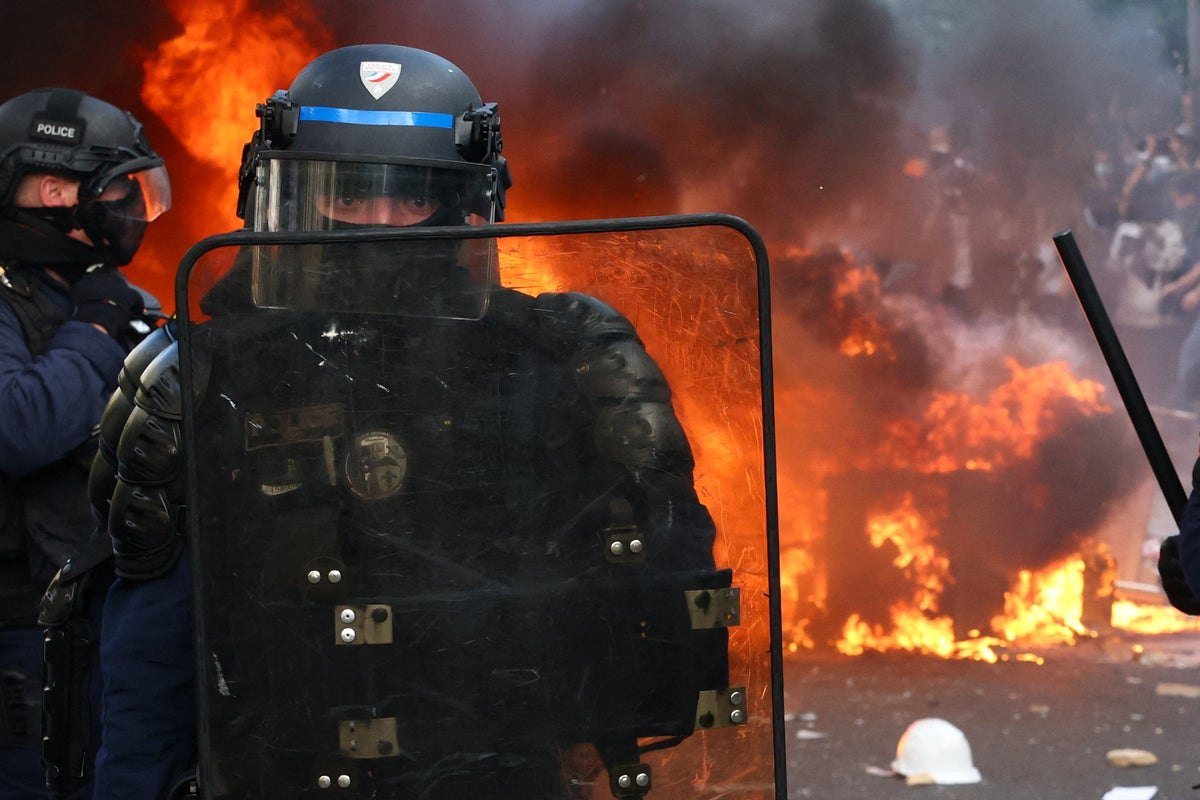
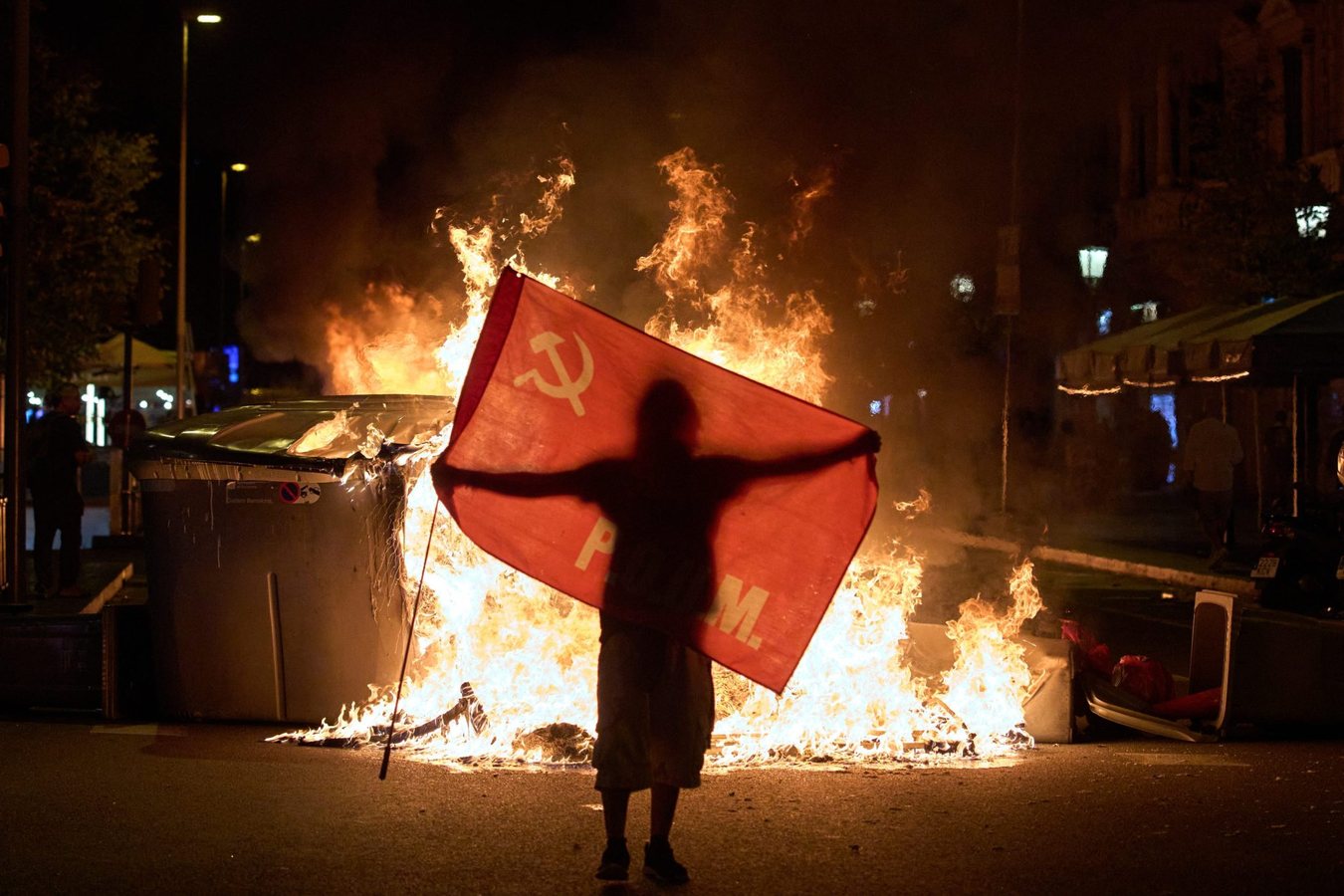
The urgency followed a night of violence in Barcelona, Spain's second-largest city. A severe weather alert over the weekend had forced organizers to reschedule the protest for Monday. What began as a massive peaceful march escalated when groups of hundreds of hardcore activists clashed with police, throwing stones and setting fire to trash containers. The unrest came after nationwide demonstrations over the weekend, all triggered by Abascal's eviction.
Alejandro Quiroga, a political science professor at Madrid's Complutense University, told The Associated Press that having decrees approved by the interim legislature was constitutional but also a necessary political move for Sánchez. «I don't think Sánchez had an alternative,» Quiroga said. «If you are calling early elections so you can keep the public's focus on housing, you can't just sit back and do nothing about it. That wouldn't have been smart.»
The approved measures also include facilitating renting or buying a new home, regulating room rentals, and granting tax breaks to property owners and tenants who pay on time. Protesters have been demanding stronger tenant protections, measures to combat fraud, and a ban on evictions when alternative housing is unavailable.
Rising costs and a housing shortage have priced many Spaniards out of the market, despite strong economic growth in Europe's fourth-largest economy. The government's 10 billion euro fund aims to ease the burden for first-time buyers, while construction subsidies are intended to boost supply. The new tax on seasonal rentals targets a segment of the market that critics say has contributed to rising rents in tourist-heavy areas.
The political stakes are high. Sánchez's call for an early election suggests he wants to keep housing at the center of the national debate. By pushing through measures via the interim legislature, he can claim his government is acting even after Parliament rejected his initial decrees. The opposition, however, may argue that the government is circumventing the will of the full Parliament.
For now, the focus remains on whether the interim body will ratify the package and whether the measures will calm a public increasingly frustrated by the cost of living. The protests in Barcelona and other cities have shown that housing has become a flashpoint in Spanish politics, one that Sánchez appears determined to address—even as he prepares for an election that could reshape his government's future.
8