
AI Data Centers Can Be Made More Sustainable, Researchers Say
AI researcher Jason Marz argues that data centers, often seen as environmental villains, can be designed and operated sustainably through local planning, conscientious construction, and efficiency improvements.
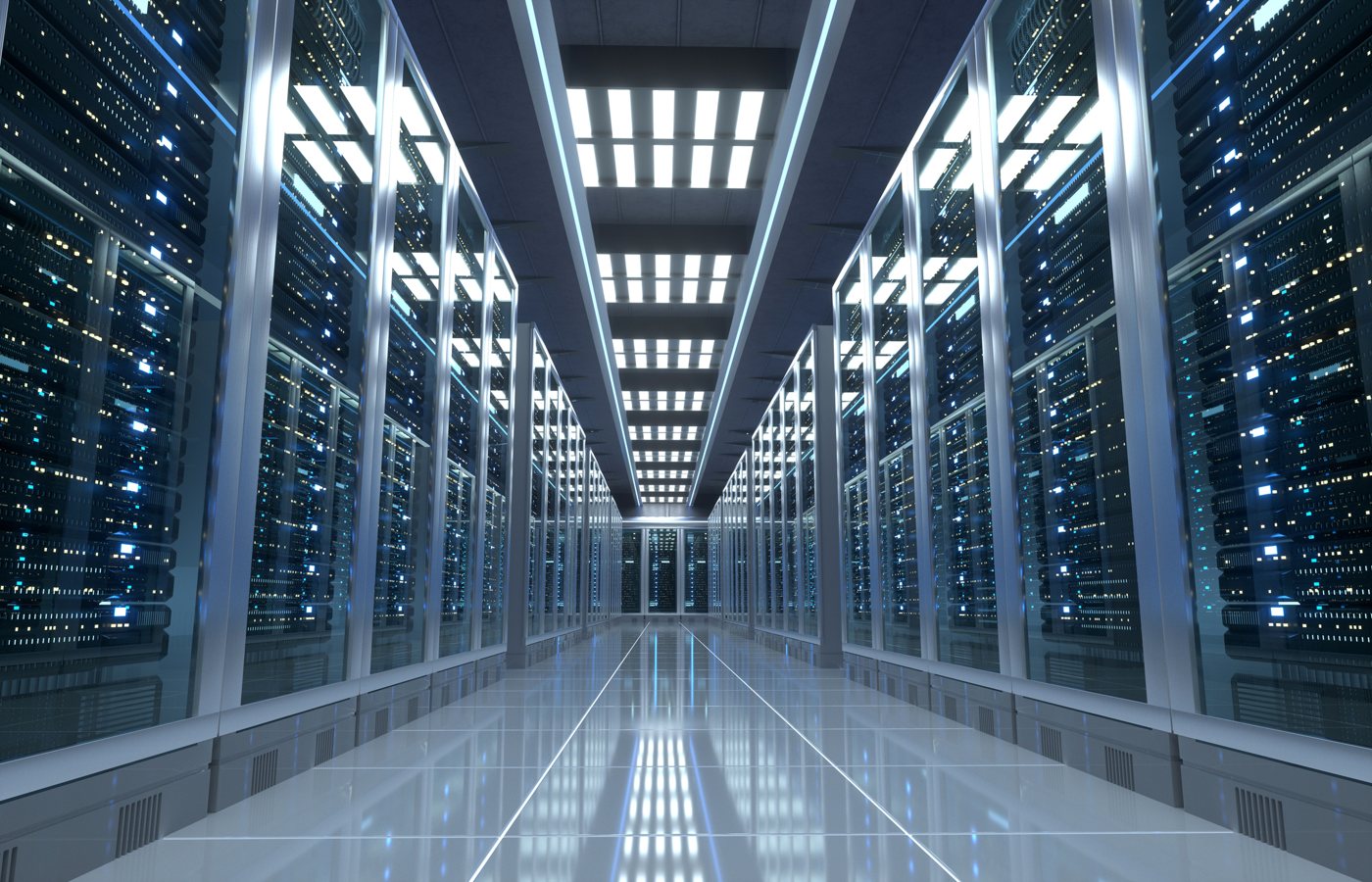
The rapid expansion of artificial intelligence has brought data centers into the spotlight as major consumers of energy and water, but a leading AI researcher argues that these facilities do not have to be environmental liabilities. Jason Marz, who studies the environmental impacts of AI, contends that with smarter design, construction, and operational strategies, data centers can align with climate goals and societal values.
Data centers currently concentrate in a few regions, such as Virginia, Ireland, Texas, and Singapore, placing severe strain on local energy grids and water supplies. The pace of construction, equivalent to adding 100,000 homes in a single year, often forces developers to resort to fossil-fuel-powered turbines and generators, known as behind-the-meter energy generation. This approach intensifies pollution and prompts grid operators to upgrade infrastructure at the expense of existing customers. Marz advocates for spreading data centers across more diverse geographies and powering them with novel combinations of electricity sources. For example, Google is developing a geothermal power project in Nevada to provide round-the-clock renewable energy for its data centers. Regulatory frameworks can also help, as seen in Ireland, where a mandate requires 80% new renewable energy for new data centers.
Beyond energy sourcing, the lifecycle of data centers offers opportunities for sustainability improvements. Marz recommends using sustainable materials like timber and low-carbon concrete during construction and reusing vacant industrial buildings instead of clearing new land. Many such sites already have energy grid connections, water infrastructure, and zoning approvals, which can speed up permitting. Additionally, the massive heat generated by data centers can be recycled. In West London, the Old Oak and Park Royal Development Corporation recovers 17 megawatts of waste heat to warm up to 10,000 homes and businesses, while in Norway, similar heat is used for a trout farm. These approaches can make data centers more beneficial to host communities and the planet.
Marz emphasizes that the core driver of data center growth—AI itself—must be addressed to achieve true sustainability. Instead of pursuing ever-larger models, developers should focus on smaller, more efficient AI systems through techniques like model distillation and quantization. His research shows that choosing the right-size model for specific tasks can reduce energy consumption by a factor of 33 compared to using the largest generic models. Transparency is also crucial, as individuals and companies currently lack the data to make informed choices. Marz envisions a simple counter showing the energy and carbon footprint of each ChatGPT query, enabling users to factor sustainability into their AI usage. He helped develop Code Carbon, a software package that measures energy and carbon for open-source models, but broader adoption by technology companies is needed to integrate such measurements into widely used AI tools.
The path forward, according to Marz, requires a balanced approach. Society should neither accept skyrocketing emissions as an unavoidable cost of progress nor reject AI and data centers as inherently unsustainable. By centering the conversation on sustainable data center design, operation, and AI model efficiency, it is possible to harness the transformative potential of AI while protecting the environment.
118