New York Bridal Salon Redesigns Itself for Neurodivergent Customers
Bridal Chateau in Williamsville, N.Y., has become a sensory-friendly boutique for neurodivergent brides, inspired by the owner's son with A.D.H.D. and autism.
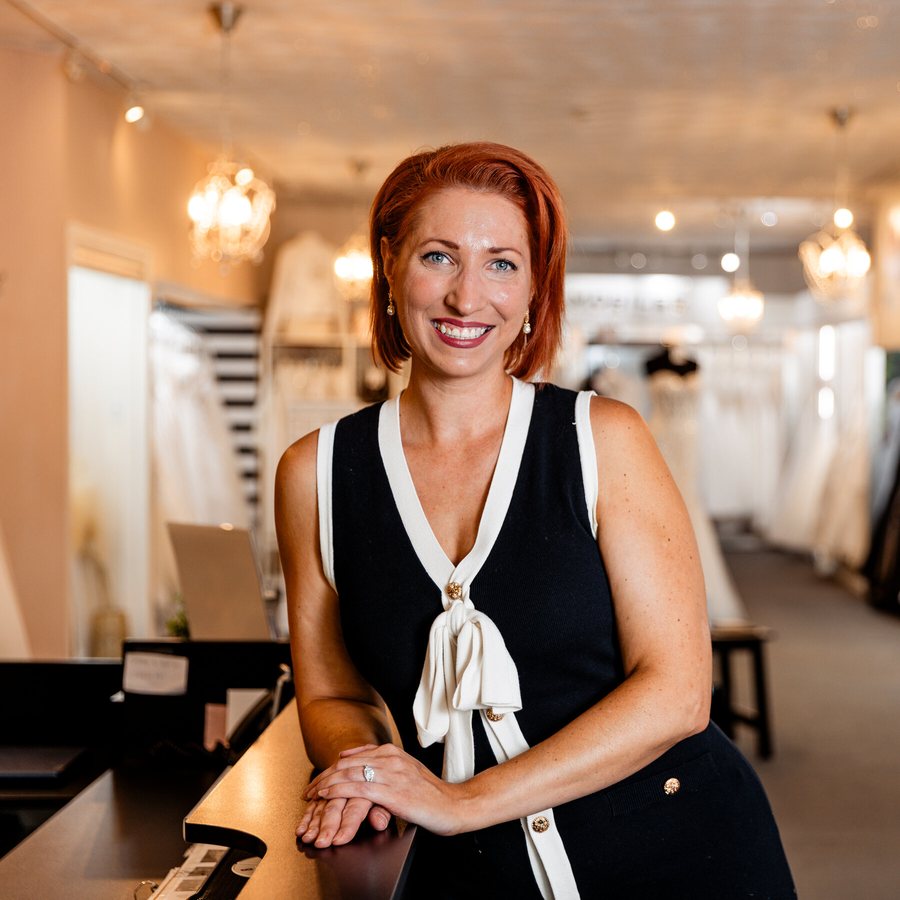
A family-owned bridal salon in western New York has reimagined its entire shopping experience to welcome neurodivergent brides, a move its owner says was inspired by her son. Bridal Chateau in Williamsville, N.Y., has been transformed into a calming, sensory-friendly space designed to reduce the overwhelming stimuli that often accompany traditional wedding dress shopping.
Beth Clark, who runs the salon, said the redesign was motivated by her son, who was diagnosed with attention-deficit/hyperactivity disorder and autism. Watching him navigate everyday environments that many people take for granted made her reconsider how her business served customers with similar sensitivities. The result is a boutique that tones down bright lighting, softens noise, and creates quiet zones where brides can step away from the bustle of fittings and fabric swatches.
The changes address a real gap in the bridal industry. For many neurodivergent shoppers, a typical appointment can be a gauntlet of harsh fluorescent lights, loud music, crowded waiting areas, and the pressure of making a major purchase while surrounded by well-meaning but overstimulating family and friends. Sensory-friendly retail is still rare in the wedding world, where the emphasis often falls on spectacle and celebration rather than comfort.
Clark's approach at Bridal Chateau includes adjustable lighting throughout the showroom, quieter appointment times, and staff trained to recognize when a customer needs space or a slower pace. The salon also offers private browsing sessions and allows brides to communicate their preferences in advance, so the experience can be tailored before they even walk through the door. The goal, Clark said, is to make the process feel less like a performance and more like a personal, manageable decision.
The boutique's shift reflects a broader cultural moment in which businesses across many industries are beginning to accommodate neurodivergent customers, not just as an afterthought but as a core part of their service model. Retailers, restaurants, and entertainment venues have experimented with sensory-friendly hours and trained staff, but the bridal sector has been slower to adapt. Bridal Chateau's redesign positions it as an early adopter in a field where the emotional stakes of a purchase are unusually high.
For brides who experience sensory overload, the difference can be significant. A wedding dress appointment is rarely just about the garment; it is often an emotionally charged event involving family opinions, body image pressures, and the weight of a once-in-a-lifetime decision. Removing the extra layer of sensory strain, Clark said, allows her customers to focus on what actually matters to them.
The salon's new identity has also resonated beyond its immediate customer base. The story of a mother inspired by her son to change her family business has drawn attention from those who see it as a model for how small businesses can respond to the needs of their communities. Bridal Chateau remains a traditional bridal salon at heart, but it now operates with an added layer of intention about who it serves and how.
Clark said she hopes other bridal businesses will take note. The changes at her salon were not costly or complicated, she noted, but they required a willingness to listen and adapt. In an industry built on making brides feel special, she said, the most meaningful way to do that is to make sure they feel comfortable first.
77