
ER Doctors Report Rise in Cannabis-Linked «Scromiting» Syndrome
Cannabinoid hyperemesis syndrome, a condition marked by severe vomiting and abdominal pain after prolonged high-potency cannabis use, is appearing more often in U.S. emergency rooms. Physicians are publishing guidance as legalization expands and THC concentrations climb.
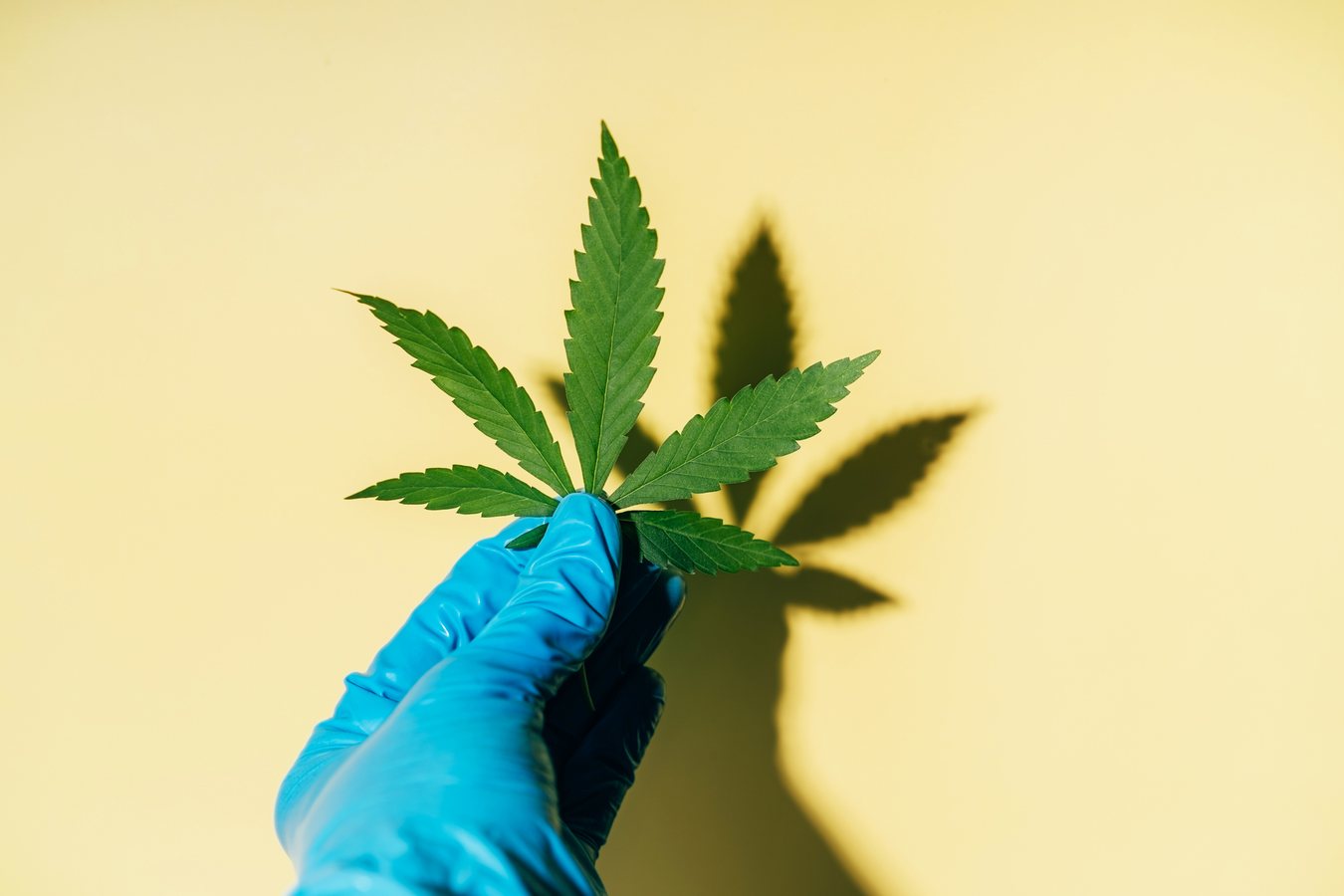
Emergency departments across the United States are reporting more cases of cannabinoid hyperemesis syndrome, a poorly understood condition tied to chronic marijuana use that can cause intense abdominal pain and repeated vomiting so severe that some patients scream during episodes. The symptom has picked up the colloquial label «scromiting,» a blend of «screaming» and «vomiting,» though some physicians consider the term derogatory and prefer the clinical diagnosis.
The condition was first described in Australia in 2004, when doctors documented habitual cannabis users who experienced cyclical vomiting. It presents similarly to cyclic vomiting syndrome, a disorder marked by episodes of nausea, vomiting, belly pain, and headache that can last several days before subsiding for weeks or months. In CHS, those episodes typically appear after someone has used marijuana for an extended period, sometimes as a way to manage other health issues, and the symptoms recede once cannabis use stops. During attacks, people may vomit or retch four or five times an hour, and the pain can drive some to seek relief in very hot baths and showers, a behavior that remains poorly understood.
Dr. Thangam Venkatesan, a professor at Ohio State University and an expert on cyclic vomiting who co-authored a new primer on CHS published in JAMA, said the rise in documented cases may partly reflect better recognition by emergency room doctors. But she also pointed to a sharp increase in the potency of cannabis products now available. THC concentrations in dried plants once ranged around 1 to 3 percent; today they can exceed 15 percent and reach as high as 95 percent in some extracts. «It’s a completely different product, even in medical dispensaries,» Venkatesan said, noting that many heavy users never develop the syndrome, which complicates the picture.
Recreational cannabis is now legal in 24 U.S. states. After Illinois legalized it in 2020, James Swartz, a professor of social work at the University of Chicago, began tracking whether public health changes would follow. He and his colleagues saw growing numbers of clinical reports and case studies describing the syndrome and investigated whether it was appearing locally. They found it was on the rise nationwide. In 2025, CHS received its own ICD-10 code, allowing doctors to record the diagnosis more specifically in medical records.
The main risk factors are prolonged use of cannabis with high concentrations of THC. Most patients tend to be young adults, but people of all ages can develop the condition. «You really increase your chances of this with frequent use of high-potency products for an extended period of time,» Swartz said. «Be careful of the products that you’re using, be mindful of the potency and the frequency with which you’re using. It’s not a fun condition to have.»
The rise of legalized cannabis has also coincided with an increase in schizophrenia cases, according to research. One study in Ontario found that cases associated with cannabis-use disorder nearly tripled in recent years. Even before legalization, a known link existed between psychosis and prior cannabis use in young people, suggesting a possible genetic predisposition that cannabis can exacerbate. Daily use of high-potency cannabis has been associated with a nearly five-fold increase in schizophrenia risk in one study.
Mental-health conditions and CHS tend to co-occur, Swartz said, but whether people are self-medicating with cannabis and thereby predisposing themselves to the syndrome, or whether the two arise together for other reasons, remains unclear. Quitting cannabis is not always straightforward, even for patients motivated by a desire to end their symptoms. «It’s more complicated than, ‘Hey, just stop,’» Swartz said. «The question is: Why are you using? And let’s think of some other way you can address that, other than cannabis.»
80