Trump Gives Xi a Pass on Iran, Tariffs and Trade as Beijing Summit Nears
President Trump has softened his stance toward Chinese President Xi Jinping on Iran, tariffs and trade, even as China expands its manufacturing and technology dominance. The shift comes after Trump's tariff confrontation backfired and China leveraged its rare earths monopoly to force a trade armistice.
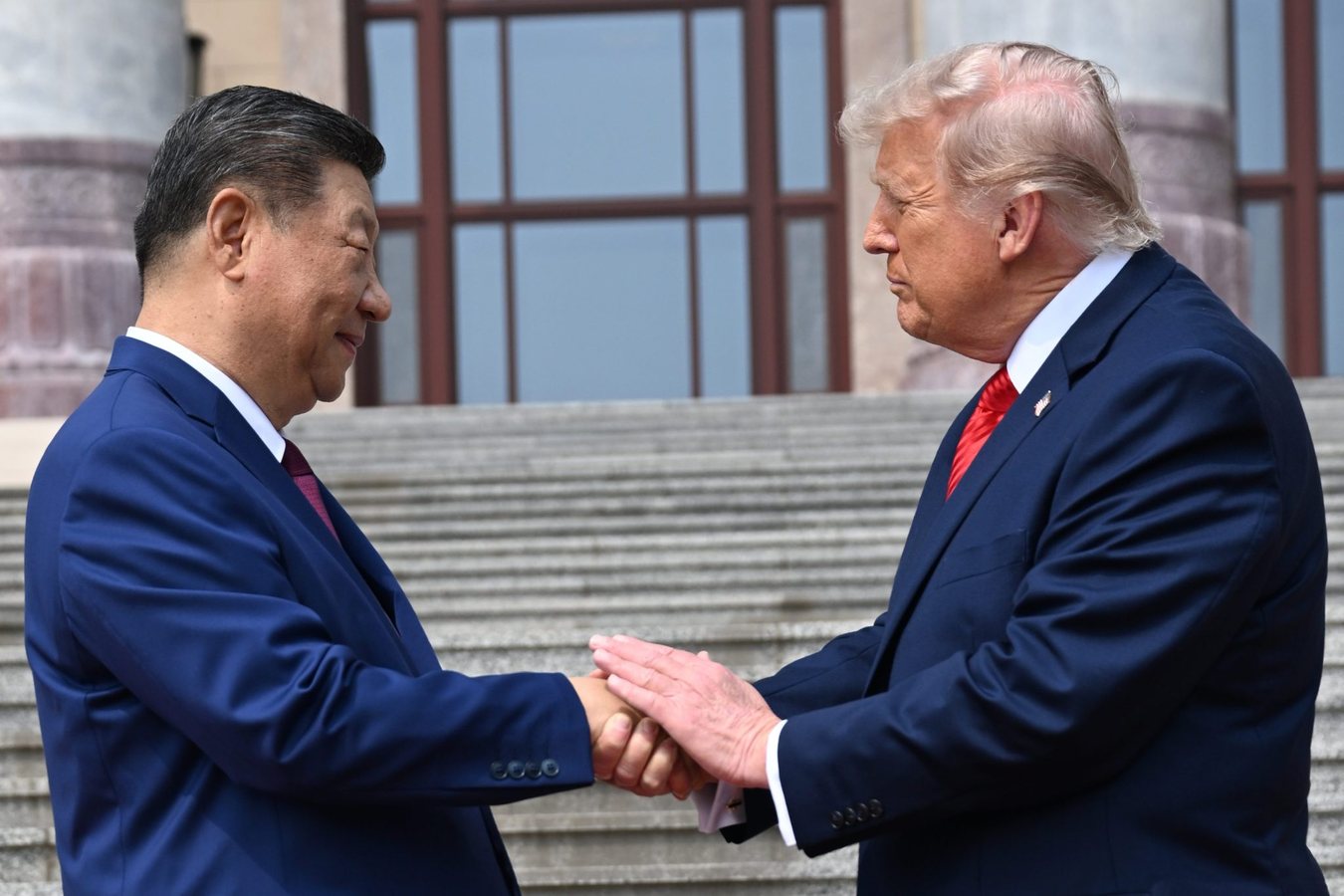
President Donald Trump is welcoming Chinese President Xi Jinping to the White House for a state dinner this week, a striking turn for a leader who first ran for office calling China a menace to the American economy. On issue after issue, Trump has given Xi a pass, shrugging off reports that China provided Iran with satellite imagery and declining to retaliate over allegations that Beijing accessed U.S. voter files.
«He's a great gentleman; we get along great,» Trump said this month. «We have a very good trading relationship and, you know, they're a competitor and all of that, but we have a very good relationship with President Xi.»
The magnanimity comes as the two powers contest global leadership, with some traditional U.S. allies rethinking their strategies. China has expanded its dominance in manufacturing and pushed into artificial intelligence and electric vehicles, creating risks for the economies of the U.S., Germany, Italy, France, South Korea and Japan.
Trump tried to confront China with tariffs, but that backfired. China holds a relative monopoly on the rare earths used in electronics and deployed that leverage to force a trade armistice. «Trump has dramatically shifted his approach to China because his initial attempt to use super-high tariffs and export restrictions was unsuccessful,» said Michael Kovrig, a senior adviser at the International Crisis Group. «Xi and Trump got into a contest of leverage, and Xi came out on top.»
Meanwhile, Trump has largely undermined the economic and national security alliances that could previously apply pressure on China, Kovrig said. Trump has mocked French President Emmanuel Macron, run hot and cold on NATO after several members did not fully support his choice to start a war with Iran, and launched a potentially brutal trade fight with Canada.
«He's executing Xi's wedge tactics for him, and along the way, helping Xi to tell a story about China as the more stable and responsible power,» Kovrig said. «It's led to a wave of Western leaders visiting Beijing and seeking to stabilize and improve their relations with Xi so they can focus more on dealing with problems Trump is causing them.»
Trump can point to some symbolic wins from having a pleasant relationship with Xi. While Xi met three times on the sidelines of international summits with Democratic President Joe Biden, Trump will have achieved a pair of reciprocal state visits, a sign that the leaders of the world's two largest economies feel comfortable speaking to each other.
The trade imbalance with China in goods has declined relative to the same period in 2025, according to Census Bureau figures, though the administration has noted that China appears to be routing more goods through other nations such as Vietnam to minimize the tariffs. Trump's continued tariffs on China have not curbed its manufacturing sector. China has found new markets and boxed out competition from other industrialized countries, exporting more of its goods with a $1.2 trillion global trade surplus last year as its low-priced EVs undercut the auto sectors in Germany, Japan and South Korea.
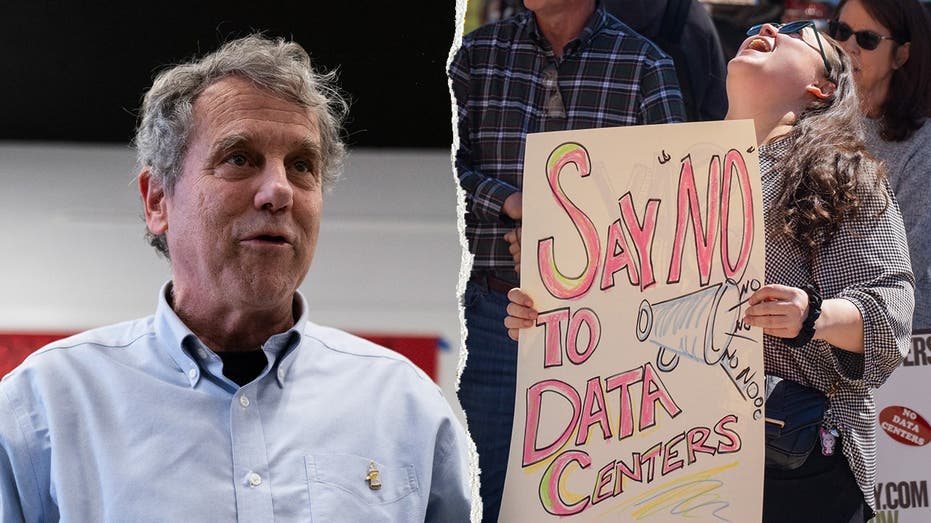
Both China and the U.S. are using their trade truce to retrench. China is building up its military and AI capabilities despite limited access to advanced computer chips. The Trump administration has pursued partnerships to develop rare earths. Trump is also banking on America going full throttle on AI development despite voter resistance to data centers and recent alarming safety warnings from the leading AI companies. He said this week on social media that anyone slowing down AI development was helping China because the technology will be «the Greatest Economic Development Engine in History — Bigger than Oil, Gold, Diamonds, or even the Internet.»
But China has also been accused of having its AI companies train on U.S. models, a problem for Trump and the economy if AI is the key to global dominance. Still, Attorney General Todd Blanche told reporters at the White House last week that it's «unfair to just label China as a country» as being a «bad actor» on AI. Asked if Trump would bring up the issue with Xi, Blanche said, «Those two presidents have a great relationship. … They get along, they make deals together.»
Usually, state visits come with «deliverables» on policy or trade. It's not yet clear what Thursday's visit will bring, and it's possible that the main deliverable will be the relationship itself.