Selective Outrage in Politics Fuels Voter Disillusionment Ahead of Midterms
A growing pattern of selective outrage in American politics is eroding voter trust, as both parties rally behind scandal-plagued candidates before belatedly abandoning them. With midterm turnout at stake, analysts warn that disillusioned independents may simply stay home.
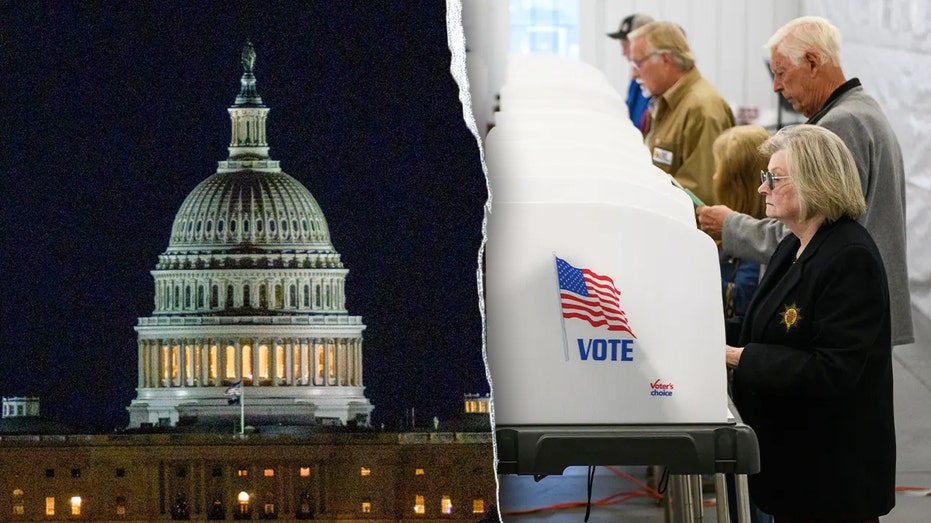
American politics has increasingly become a stew of hypocrisy, where scandal is met with selective outrage depending on which party's candidate is involved. That is the central argument driving a wave of commentary from conservative radio host Erick Erickson, who recently unloaded a critique that targeted both Democrats and Republicans for serving up what he called a «crap sandwich of a candidate» while insisting voters must accept their side's version because the other is worse.
The pattern has played out in recent races across the country. Democrats including Elizabeth Warren and Bernie Sanders initially endorsed Graham Platner, a Maine Senate candidate with a Nazi tattoo, before abandoning his campaign when a former girlfriend alleged he had raped her. Republicans stood behind North Carolina Rep. Chuck Edwards despite mounting allegations of a hostile work environment and sexual harassment, until the House ethics committee called for his censure over inappropriate actions toward two female staffers. Edwards had showered the staffers with gifts including jewelry worth over $1,000, designer purses, guns, shoes, flowers, a laptop, a cell phone, a KitchenAid mixer, robotic vacuums, vacations, performance tickets, and one-on-one dinners. Fellow North Carolina lawmaker Sen. Ted Budd then urged Edwards to exit the race, and he quickly complied.
Erickson argues that «cycle after cycle, we never get better candidates. We get more corrupt and more terrible ones, and we are told once again that we must vote for them or the republic will fall.» He contends that doomsday prophecies are simply how the parties dupe voters into holding their noses for their preferred perversions. The apocalyptic rhetoric in this year's campaigns reinforces that view, with everything framed as depending on whether a candidate has a D or an R after their name.
The result is a master class in selective outrage. If a target switched parties, critics would immediately change their stance. With war, inflation, and soaring prices fueling public anger, liberals demonize conservatives and vice versa, while social media often becomes a forum for sheer hatred. While there are huge policy differences between the parties, most voters do not study those details intently. They size up candidates' character. If they are disillusioned, many may simply stay home, and turnout is crucial in a midterm election.
Amid predictions of a blue wave, despite the GOP holding a much bigger war chest, veteran political analyst Charlie Cook notes that independent voters «tend to be very fickle.» They read, watch, and listen to the news less than partisans, and they tend to get buyer's remorse and turn on whoever they voted for two years earlier. Extremist candidates, once deemed fringe figures, have become more common, especially among Democratic socialists winning primaries. Abdul El-Sayed, the Democratic Senate nominee in Michigan, apologized last month after making sympathetic comments about a terrorist who attacked a synagogue. He has also campaigned with far-left streamer Hasan Piker, who said America «deserved 9/11.» Darializa Avila Chevalier, who won with the backing of New York's socialist mayor Zohran Mamdani, has called Joe Biden a «rapist,» wanted police and prisons abolished, and was arrested for helping take over Columbia's Hamilton Hall. On the other side, Texas Republican Ken Paxton was impeached by his own party.
The coarsening of political culture is not new, but its current intensity stands out. Gone are the days when President George H.W. Bush felt he had to apologize for calling Bill Clinton and Al Gore «these two bozos.» In today's toxic atmosphere, Erickson says he has been threatened and harassed for his stances. It is hard to feel proud of the current political culture, and few see a return to the bygone era when Ronald Reagan and Tip O'Neill would battle by day and share a drink after work.
Meanwhile, the mechanics of modern campaigning are amplifying the problem. Artificial intelligence is dramatically lowering the cost of political advertising, allowing campaigns to churn out attack ads, memes, and targeted messages at a pace that would have been prohibitively expensive just a few years ago. Campaign operatives can now use generative AI to produce in minutes or hours what once required days by a team of writers, voice talent, video shoots, and production teams. The shift is turning political creative from an expensive campaign asset into something closer to disposable content, potentially giving candidates and outside groups the ability to flood voters with more messages. As of two weeks ago, the ad-tracking firm AdImpact had identified 29 campaign ads in federal and gubernatorial contests that disclosed using AI content, while the Wesleyan Media Project has also been counting such ads.
Together, the willingness to overlook candidate flaws and the accelerating volume of attack messaging are deepening voter cynicism. The stakes are high: if enough independents and disillusioned partisans disengage, the outcome of the midterms could hinge less on policy debates than on who bothers to show up. For now, the political class continues to offer voters a choice between what many see as flawed options, and the public's patience is wearing thin.
3