Seattle Mayor Katie Wilson's Progressive Agenda Hits Roadblocks on Homelessness and Public Safety
Seattle Mayor Katie Wilson, a democratic socialist, is facing significant challenges implementing her ambitious agenda as she confronts homelessness and public safety concerns, leading to a budget with no new taxes and increased police funding.
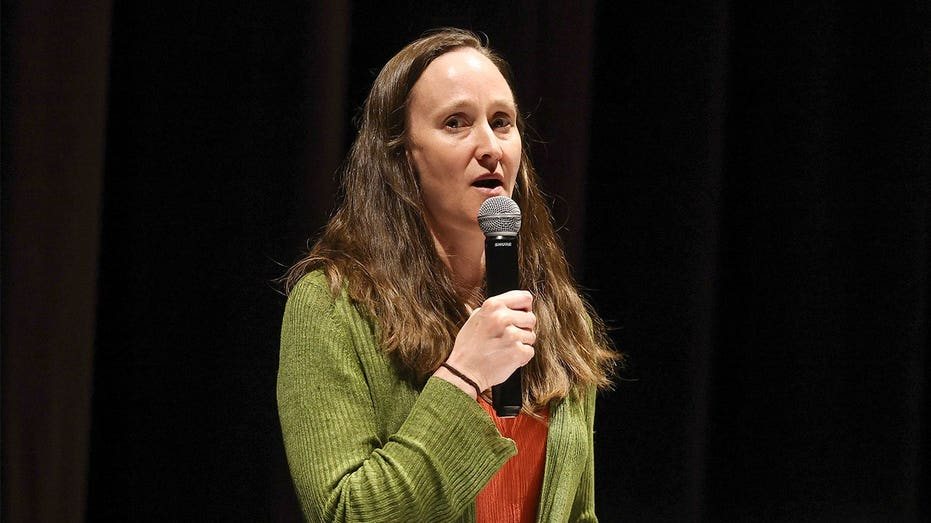
Seattle Mayor Katie Wilson, a democratic socialist, has encountered major obstacles in enacting her progressive agenda as her administration grapples with persistent homelessness and public safety issues. Wilson, who campaigned on adding 1,000 homeless shelter units in each year of her term, has seen her administration's current plan scale back that goal to nearly 1,000 shelter beds by the end of 2027, according to The Wall Street Journal. The mayor told The Seattle Times in September that her original goal was intended to spark conversation about the crisis, acknowledging the feasibility concerns raised by some advisors.
The city's business community donated $3 million toward the homelessness effort, but Joe Nguyen, president and CEO of the Seattle Metropolitan Chamber of Commerce, said the money went unused as City Hall ran into bureaucratic roadblocks. «Welcome to government,» Nguyen told the Journal in response to the challenges. The stalled effort underscores the difficulty of translating campaign promises into effective policy, even with private-sector support.
In a surprising move, Wilson released a proposed budget in September that included no new taxes and more funding for police, a shift from her campaign platform. «I have made the difficult decision to transmit a budget without major new revenue,» Wilson said in a speech, according to KOMO News. «Right now, we don't have good options to raise more progressive revenue that don't also come with great risks. Our economy and especially our downtown are fragile. In that context, raising additional revenue through JumpStart is not the right move.» The budget proposal signals a pragmatic turn as the city faces fiscal constraints and pressing public safety demands.
Wilson and the Seattle Police Department came under intense scrutiny following a shooting at the Bite of Seattle food festival in July that left three people dead, including one suspect, and led to the resignation of the police chief, who was out of town at the time. The Journal reported that a communication breakdown between the mayor's office and Seattle police kept the public in the dark about the shooting for five hours, and the official emergency alert system went unused. The incident highlighted gaps in the city's emergency response and added to the challenges facing Wilson's administration.
Psychotherapist Jonathan Alpert, author of «Therapy Nation,» told Fox News Digital that the situation illustrates the tension between socialist ideals and the realities of governance. «This is a good example of socialism's appeal colliding with the realities of governing,» Alpert said. «Socialism is seductive because the promises sound good: more housing, more services, greater fairness, less inequality. It's easy to campaign on those ideas. It gets much harder when you're actually responsible for a budget, public safety and whether the city is functioning.» He added that Wilson is now pursuing policies that don't align with her campaign platform, such as more police, more cameras, spending cuts, and fewer big promises. «Crime has a way of forcing politicians to become practical pretty quickly,» he said.
Wilson's stance on surveillance cameras has also evolved. She faced backlash on social media in May after a 77-year-old man was seen on video being beaten by two individuals in a crime captured by closed-circuit television cameras, a tool she had previously denounced as making the community feel unsafe. She opposed expanding Seattle's network of surveillance cameras while on the campaign trail, arguing it would make the city «more vulnerable» to President Donald Trump's «attacks on immigrants, trans people and big cities in general.» In January, she sought to halt a $3 million effort to add more cameras, according to the Journal. However, after two teenagers who attended Rainier Beach High School were shot and killed at a bus stop in Rainier Beach, the mayor moved toward expanding the project.
Bob Kettle, a city council member and chair of the public safety committee, told the Journal that Wilson's shift reflects the realities of holding office. «When you're faced with the realities of sitting in the seat and doing the job, you have to deal with those realities,» Kettle said, explaining why Wilson wasn't governing like a socialist. The Journal also reported that Jon Scholes, president and CEO of the Downtown Seattle Association and an advisor to the mayor, joined a group of business leaders on a trip to San Francisco to meet with members of San Francisco Mayor Daniel Lurie's administration. «They clearly have serious people doing serious work,» Scholes said of the trip. «I mean, it's not just symbolism and performance. It's real governance and management.»
The mayor's office did not immediately return Fox News Digital's request for comment. As Wilson navigates the complexities of governing a major city, her experience highlights the broader challenges facing progressive leaders who must balance ambitious campaign promises with the practical demands of public safety, fiscal responsibility, and effective administration.
6