USF Researchers Develop AI Mosquito Trap Amid Florida Dengue Outbreak
Researchers at the University of South Florida have developed an AI-powered trap that identifies mosquito species, sex, and feeding status, as the state battles its largest dengue outbreak in a decade.
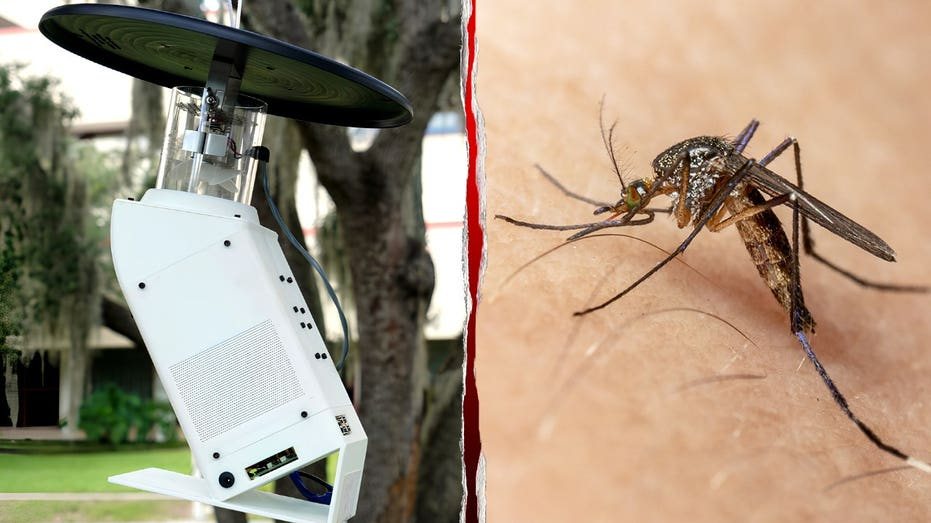
Researchers at the University of South Florida have developed an AI-powered mosquito trap that can identify mosquito species on the same day, rather than in two to three days as traditional microscope-based methods do. The development comes amid the largest dengue outbreak in Florida in a decade, which has hit Hillsborough County hardest. For mosquito control services, the speed of obtaining results is of great importance, since it determines how quickly they can respond to the threat.
The scale of the outbreak is striking. Hillsborough County has recorded 407 locally acquired dengue cases in 2026, while the state total stands at 524 as of October 31. The local state of emergency in the county has been extended to November 19, and authorities are increasing aerial and ground treatments against mosquitoes. The main dengue vector in Florida is the Aedes aegypti mosquito, and most control efforts are aimed at this species.
The trap was created by USF researchers Carney and Chellappan, who founded the startup Digitomy to develop it. The device attracts mosquitoes with light or bait, after which a fan draws them inside, where they land on a sticky pad. Two cameras photograph the captured insects, and artificial intelligence determines the species, sex, and whether the mosquito has recently fed on blood. According to the developers, accuracy in species identification under laboratory conditions exceeds 98 percent.
It is important to understand that the trap only detects whether a species is capable of transmitting disease, but does not confirm the presence of the infection itself. Laboratory testing for the dengue virus is still required for that. Data from the trap is intended to flow to a mapping dashboard for control services. This dashboard is integrated into a private layer of a global mosquito dashboard and also relies on more than half a million reports from citizens, thus combining automatic observations with data provided by residents themselves.
The technology has already been tested at the university itself and together with the Anastasia Mosquito Control District. Field testing with Hillsborough County is only being prepared, meaning application in a real outbreak setting is still ahead. The company plans to license the AI to manufacturers of existing traps rather than bringing its own finished device to market independently. The commercial launch date and price have not been announced, nor when the trap might become available to municipalities.
The startup Digitomy received a $25,000 grant from the USF Bull Ring Accelerator program, which supports the development of university student and research projects into commercial products. The real effectiveness of the trap outside the laboratory and the timeline for the device's appearance on the market remain uncertain. Field trials in Hillsborough County are expected to show whether the technology can speed up the work of control services during a real epidemic threat.
Source: foxnews.com
15