Copper wire replacement triggered nationwide FAA ground stop
A routine upgrade at a remote FAA facility, replacing old copper wire with fiber, preceded a nationwide ground stop that held departures while arrivals continued, leaving thousands of flights canceled and about a million travelers stranded.
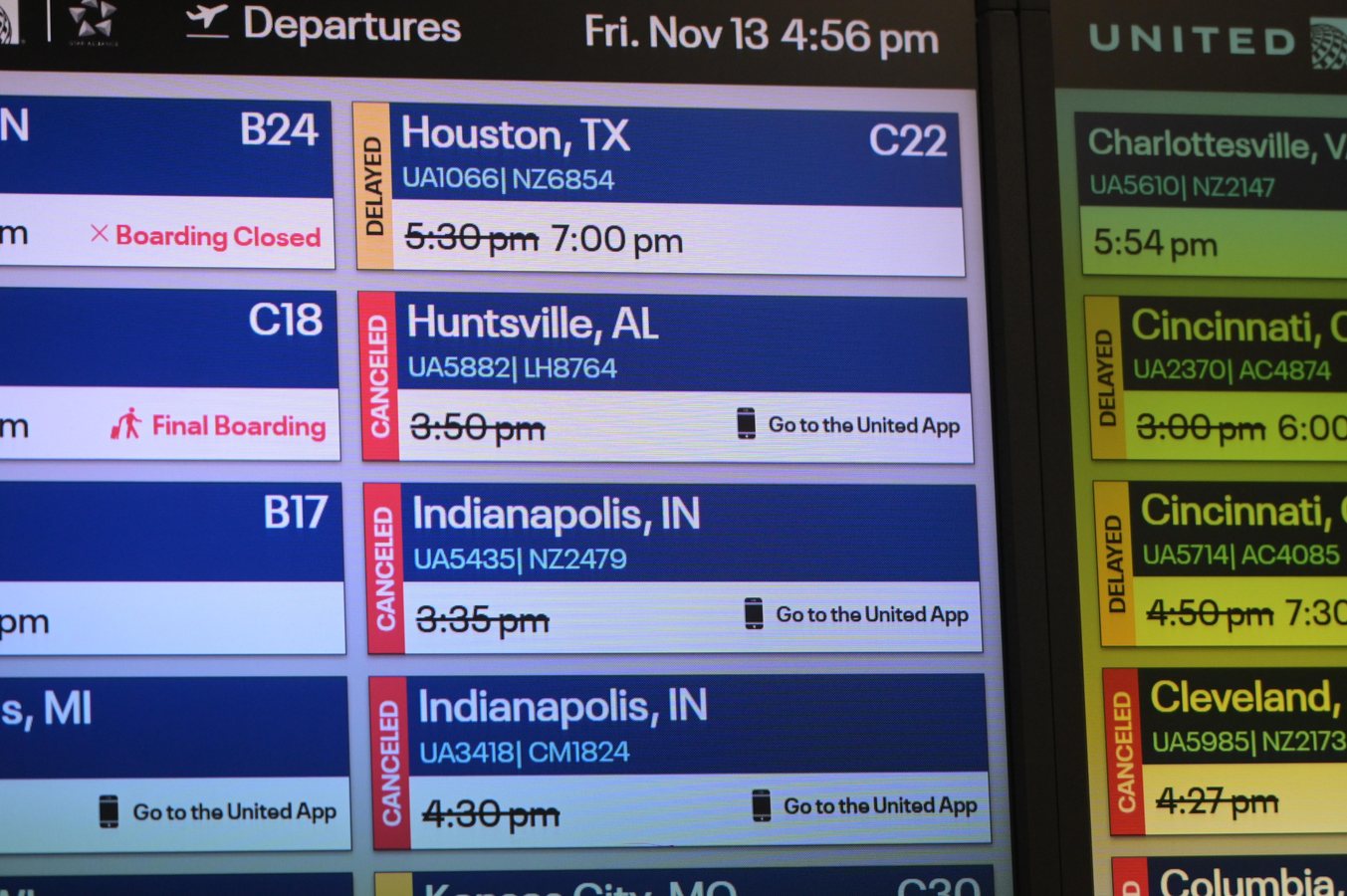
A nationwide ground stop ordered by the Federal Aviation Administration on Friday, November 13, 2026, held departures across the United States, and the disruption has been traced to work on the agency's communications infrastructure. Transportation Secretary Sean Duffy briefed reporters on the stop and said it was linked to the replacement of old copper wire with fiber at a remote FAA facility. The stop was lifted within hours, but its effects on air travel lasted far longer.
Duffy described the work as routine maintenance rather than a major modernization effort. He explained that the old copper line was being discontinued, which meant the upgrade had to take place. As of the briefing, however, the root cause of the failure had not been determined. Investigators are weighing whether faulty hardware or contractor error played a role, and a possible faulty router or a misconfigured route is also under review. Officials have not yet said which of these explanations, if any, will be confirmed.
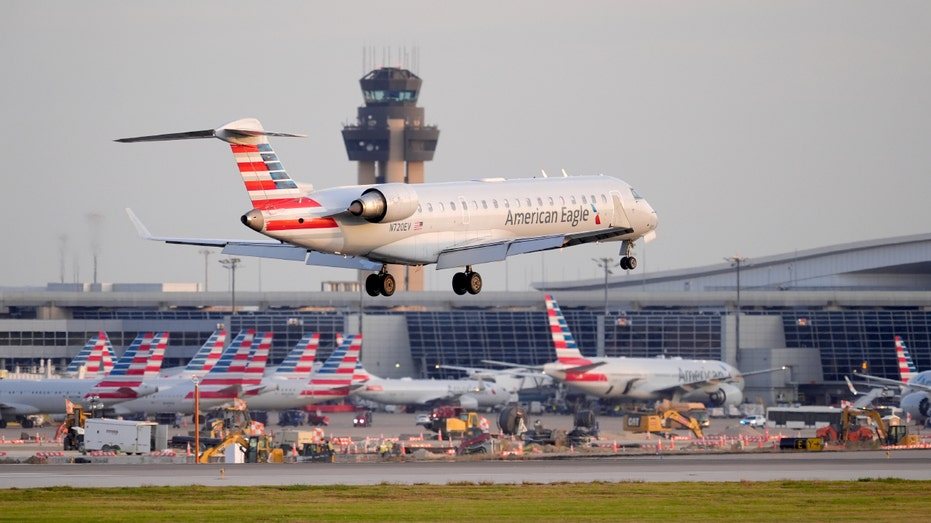
While the stop was in effect, departures were held across the country, but arriving flights continued to land normally. The scale of the disruption grew as the day went on. Thousands of flights were canceled while airlines worked to recover their schedules, and reports cite about a million travelers stranded. Passengers gathered in crowded terminals, including at Chicago O'Hare, and Reagan National Airport was grounded during the stop. Even after flights were permitted to depart again, the backlog kept travelers waiting and schedules out of step for hours.
The episode stands out in the agency's recent history. It was the first nationwide stop since a January 2023 computer notice failure, and only the second nationwide halt of flights since the September 11, 2001 attacks. Because the stop came on a Friday, it reached into the college football weekend. Teams grounded while traveling to Saturday games were among those affected, and the impact on the schedule was uneven across conferences.
The Big 12 had three games shifted, the SEC had two games shifted, one of them controversially, and the Big Ten had one game disrupted. A couple of Group of 6 games were also moved. The ACC was the exception, with its games unaffected by the stop. Those differences underscore how a single infrastructure problem at one facility can ripple unevenly through a nationwide system, touching some conferences heavily while leaving others untouched.
Source: theverge.com
20