UPS cargo jet and Copa Airlines passenger plane collide at Miami airport, two hurt
A UPS cargo plane and a Copa Airlines passenger jet collided on the ground at Miami International Airport on Saturday night, leaving two people with minor injuries. The FAA is investigating the cause of the crash.
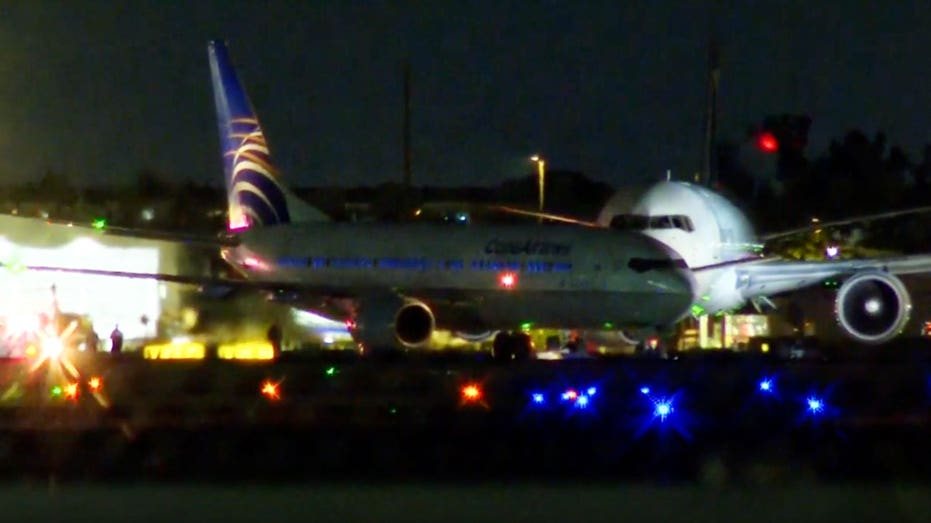
A UPS cargo jet and a Copa Airlines passenger plane collided on the ground at Miami International Airport on Saturday night, leaving two people with minor injuries. The Federal Aviation Administration confirmed it is investigating the incident, and the exact cause of the collision remains unresolved.
The contact occurred around 9 p.m. local time as both aircraft were taxiing at a taxiway intersection. The left wingtip of the Copa Airlines Boeing 737 struck the nose of the UPS Boeing 767. Air traffic controllers had instructed the UPS crew to yield to the arriving Copa flight. Pilot audio captured after the impact indicates that the UPS pilot admitted overrunning his position, a detail that is likely to be central to the federal review of how the two jets came to occupy the same intersection.
The Copa flight, designated CM427, had arrived from Panama City with 166 passengers and six crew members aboard. Every passenger was disembarked at the terminal, and the two people who were hurt were treated on the scene for minor injuries. The UPS aircraft was preparing to depart for Bogotá, Colombia, when the collision happened, which means the cargo flight was on the ground and about to begin its own journey rather than in the air.
The Miami-Dade Aviation Department said flights were rerouted to other taxiways following the incident. Airport operations were not affected at the time of reporting, and the department has not disclosed further operational impacts. Keeping traffic moving on the remaining taxiways mattered at a busy hub, where a blocked intersection can quickly ripple across departure and arrival schedules.
The collision came at a difficult moment for the national air system. U.S. airports were still recovering from a nationwide FAA ground stop caused by instability in radar and communications systems. Transportation Secretary officials said air traffic communications had returned to full operation, and the FAA expected airlines to restore full schedules by the end of Sunday. The Miami incident, though it involved only ground movement and minor injuries, added another strain to a system that had only recently stabilized.
The FAA's investigation will focus on how the two aircraft came to occupy the same taxiway intersection, and on the communications between controllers and crews in the minutes before contact. Officials have not yet determined responsibility for the ground collision, and no further findings have been released.
Source: foxnews.com
14