Supreme Court justices make rare visit to Capitol Hill for first time since 2019
Supreme Court justices visited Capitol Hill for the first time since 2019, meeting with lawmakers amid ongoing debates over judicial ethics and court reform. The visit marks a significant moment in the relationship between the judicial and legislative branches.
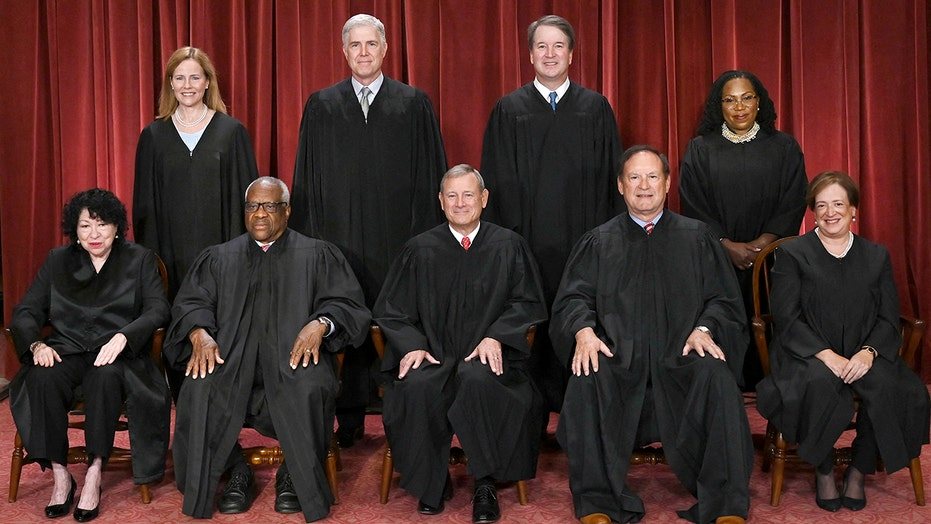
Supreme Court justices made a rare appearance on Capitol Hill on Tuesday, marking their first visit to the legislative branch since 2019. The closed-door meetings with lawmakers come at a time of heightened scrutiny of the court's ethics practices and growing calls for structural reforms from both sides of the political aisle.
The visit, which included multiple justices meeting with senators and House members, was described by participants as an opportunity for informal dialogue rather than formal testimony. It follows years of tension between the court and Congress over issues ranging from abortion rights to presidential immunity, and reflects a broader effort to rebuild communication channels between the two branches of government.
Senate Judiciary Committee members were among those who met with the justices, though the specific topics discussed were not publicly disclosed. The last such visit occurred in 2019, before the COVID-19 pandemic disrupted normal congressional operations and before the court issued a series of landmark rulings that reshaped American law.
The timing of the visit is notable, as Congress is currently considering several bills aimed at imposing a binding code of ethics on the Supreme Court, following revelations about undisclosed gifts and travel by some justices. Proponents of reform argue that the court's current self-policing system is insufficient, while opponents contend that legislative action would undermine judicial independence.
Chief Justice John Roberts has previously defended the court's ethical standards and has resisted calls for Congress to impose new rules. However, the justices' willingness to engage directly with lawmakers suggests a recognition of the need to address concerns about transparency and accountability.
The visit also comes as the court prepares to hear several high-profile cases in the coming term, including disputes over federal regulatory power, gun rights, and the scope of executive authority. These cases are likely to generate further political debate and could influence the 2024 elections.
Lawmakers from both parties offered cautious praise for the visit, with some expressing hope that it could lead to greater mutual understanding. Senator Chuck Schumer, the majority leader, said in a statement that the meeting was a positive step but emphasized that Congress must continue to pursue meaningful reforms to ensure public confidence in the judiciary.
Republican senators, meanwhile, stressed the importance of preserving the court's independence and warned against overreach by the legislative branch. Senator Lindsey Graham, who has been a vocal defender of the court's current structure, noted that the justices' presence on the Hill was a sign of respect for the separation of powers.
The visit also included discussions about security for the justices, following protests outside their homes after the leak of the Dobbs decision that overturned Roe v. Wade. Lawmakers have expressed concern about the safety of the justices and their families, and the visit provided an opportunity to coordinate security measures.
Beyond the immediate political implications, the visit underscores the evolving relationship between the Supreme Court and Congress. Historically, justices have been reluctant to appear before lawmakers, fearing that such interactions could compromise their impartiality. However, the increasing polarization of American politics has made such engagement almost unavoidable.
The last time the full court visited Capitol Hill was in 2019, when justices met with senators to discuss judicial vacancies and other administrative matters. That meeting was largely cordial, but the political landscape has shifted dramatically since then, with the court's conservative majority issuing decisions that have galvanized both supporters and critics.
As the justices returned to the court building after their meetings, the broader implications of their visit remained unclear. What is certain is that the relationship between the Supreme Court and Congress will continue to be a central issue in American governance, with the potential to shape the direction of the country for years to come.
99