Iranians fear all-out war may resume as U.S. and Israeli elections near
Netanyahu says Iran's leadership must be eliminated, while Trump vows to finish the job as a third aircraft carrier heads to the region. Tehran says diplomatic messages are still moving through intermediaries.
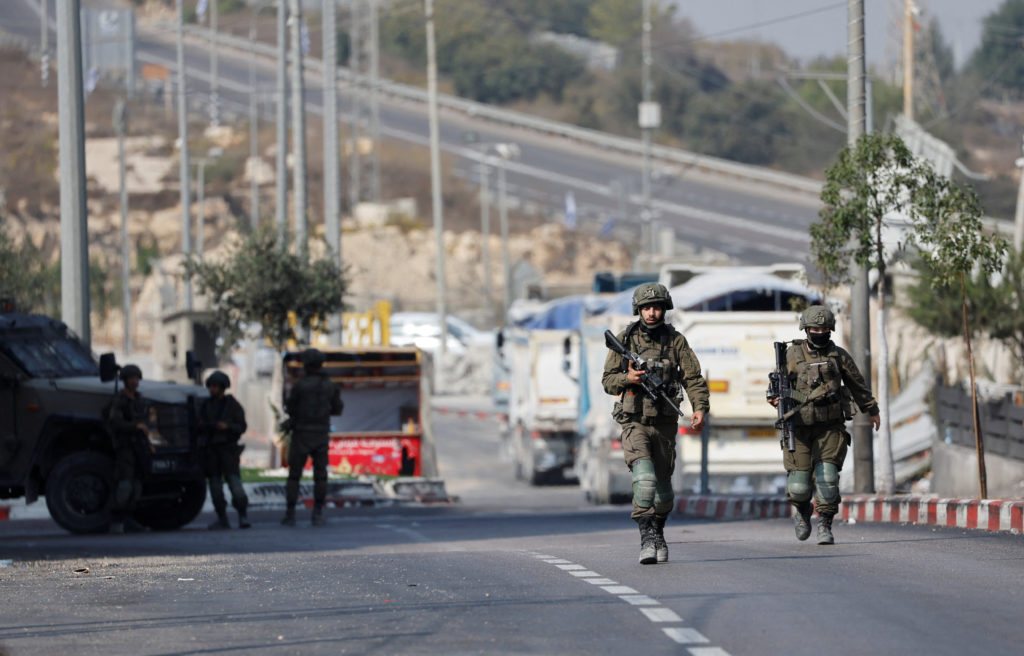
Iranians are increasingly worried that the country could return to full-scale war as Israel and the United States prepare for close elections in the coming days. Israeli Prime Minister Benjamin Netanyahu, who faces a tight vote on Tuesday, has said Iran's leadership must be eliminated. U.S. President Donald Trump has vowed to "finish the job" in Iran eight months after the war began, even as a third aircraft carrier and thousands of additional troops make their way to the region.
Iran's foreign ministry spokesperson, Esmail Baghaei, said Tehran has not closed the window for diplomacy and that messages are still being passed to Washington through intermediaries. Speaking in an interview with a German broadcaster, he said negotiations over the war have appeared to stall for weeks. He accused the United States of persisting in unilateral demands and said Trump and U.S. officials repeatedly use the phrase "complete surrender," which he said no Iranian accepts.
Asked whether he planned to launch an attack on Iran, Trump first suggested he would be foolish to telegraph such a move. He then added: « No. There will not be a strike today. » At the same time, the head of U.S. Central Command, Adm. Brad Cooper, was flying over the Strait of Hormuz and said more than 3,000 commercial vessels had transited the waterway with U.S. military support over the past six months.
Netanyahu repeated his warning that Iran or its proxies could attack ahead of Tuesday's vote to disrupt the election, citing intelligence. In a video from a visit to an anti-ballistic missile battery, he said « The IDF is ready both to defend and to strike » and warned that Iran would suffer disproportionate blows « far greater than you can imagine ».
Elsewhere in the region, the International Committee of the Red Cross has begun receiving lists again of Palestinian detainees from the occupied West Bank and Gaza, after the Israeli Supreme Court ordered the government earlier this year to resume sharing them. ICRC spokesperson Gilad Grossman said Israel had not yet allowed prison visits to resume but that the organization hoped they would restart soon. The government had suspended both practices after the Hamas-led October 7, 2023, attacks and the start of the war in Gaza. Around 9,000 Palestinians are still imprisoned or detained under harsh conditions, according to the report.
Saudi Arabia also faced fresh threats. King Khalid International Airport in Riyadh reopened terminals 1 and 2 for domestic and international flights, but Iran-backed Houthis in Yemen again fired drones and missiles toward the Saudi capital. Saudi military spokesman Maj. Gen. Turki al-Malki said air defenses intercepted and destroyed a ballistic missile and a drone. Debris from two intercepted missiles in the Khamis Mushait and Ahad Rafida governorates wounded two people and damaged three buildings and seven vehicles. In early October, Houthi strikes hit an airport complex, killing 17 people and wounding more than 330.
In Gaza, Palestinian hospital officials said Israeli strikes killed seven people, including four in two strikes in Gaza City and two brothers in Khan Younis. The Israeli military did not immediately comment. More than a year after a ceasefire began, Israel continues to strike what it says are militant targets, and the territory's Health Ministry says more than 1,500 Palestinians have been killed since then. The ministry does not distinguish between civilians and militants but says women and children make up nearly half of those killed.
7