Israel presses ahead with West Bank operation in Hebron before election
Israeli forces are continuing an operation focused on Hebron, the site of Friday's attack, as Israel enters the final days before a tense election seen as a referendum on Prime Minister Benjamin Netanyahu's leadership.
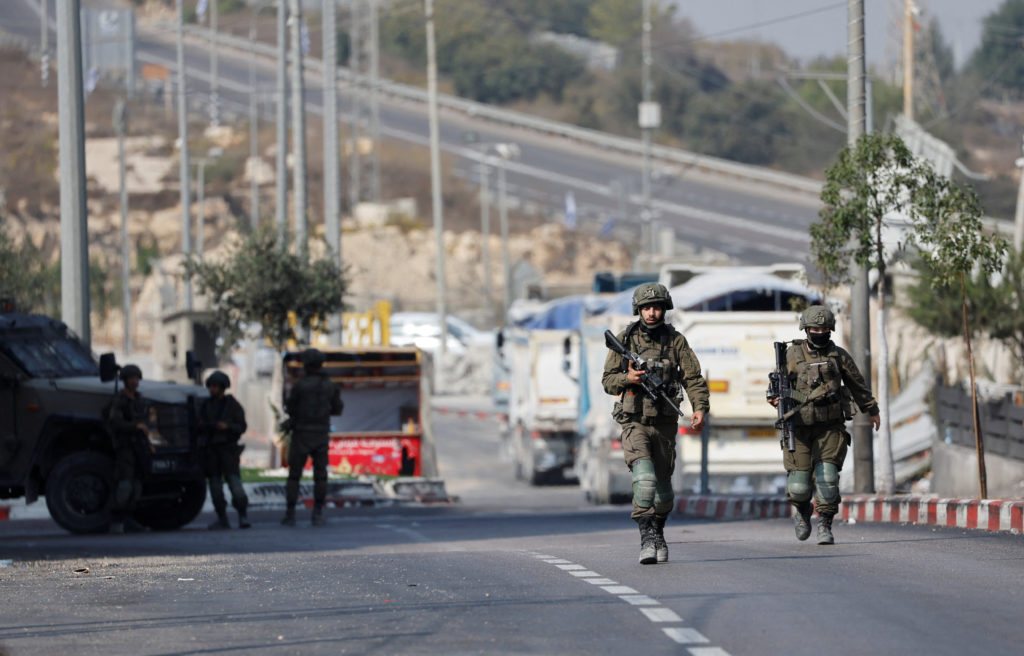
Israel is pressing ahead with a military operation in the West Bank, concentrated in the city of Hebron, the site of Friday's attack. The operation continues as the country enters the final days before a tense election that is widely viewed as a referendum on Prime Minister Benjamin Netanyahu's leadership and security policies over the past three years of war.
The timing places the military campaign at the center of the political contest. Voters are weighing the government's handling of security during a prolonged period of conflict, and the Hebron operation arrives as candidates make their final appeals to the electorate. Security has been the defining question of the campaign, and the events in Hebron have sharpened that debate in the days before the vote.
The Friday attack in Hebron prompted the renewed deployment, which is focused on the city itself. Because the operation is still under way, its full scope and outcome remain unclear, and officials have not yet released a complete account of its objectives. Residents of the area and the broader West Bank have been directly affected by the increased presence of security forces, a dynamic that has long defined daily life in Hebron, one of the most sensitive cities in the territory.
Netanyahu has also been pressing U.S. President Donald Trump for additional support ahead of the tight Tuesday election, according to reporting on the campaign. The request underscores how closely Israel's security and diplomatic agenda is tied to Washington as the vote approaches. The prime minister is seeking to present his record on defense and alliances to voters in the closing stretch, positioning the relationship with the United States as a central asset of his leadership.
The election is being read as a judgment on the three years of war and the policies that have guided Israel's response to it. Opposition figures and voters alike are measuring the government against its handling of the conflict, while supporters point to the continued military pressure as evidence of resolve. Whatever the outcome of the vote, the operation in the West Bank and the diplomatic appeal to Washington are likely to shape the next government's early decisions on security and foreign relations.
For now, the immediate focus remains on the streets of Hebron and the ballot box that follows. The coming days will show whether the operation expands, winds down, or becomes a defining issue in the closing debate, and how the electorate weighs it against three years of war and the leadership that has guided the country through it.
7